

In the automotive industry, 4-pin automotive relays play a crucial role in controlling electrical circuits. They are used in various applications, from simple tasks like operating Car Horn Relay to more complex functions in a vehicle's electrical system. As a 4-pin automotive relay supplier, I understand the importance of providing genuine products to our customers. In this blog post, I will share some key points on how to determine if a 4-pin automotive relay is genuine.
1. Manufacturer and Brand Reputation
The first step in determining the authenticity of a 4-pin automotive relay is to look at the manufacturer and brand. Reputable manufacturers have a long - standing history of producing high - quality automotive components. They adhere to strict quality control standards and invest in research and development to ensure their products meet or exceed industry requirements.
Well - known brands often have a strong presence in the market, with a large customer base and positive reviews. Before purchasing a relay, check the manufacturer's website, industry forums, and customer reviews. A brand that has been in the business for many years and has a good reputation is more likely to produce genuine relays. For example, established brands in the automotive relay industry are known for their reliability and durability, and they are less likely to compromise on the quality of their products.
2. Packaging and Labeling
Genuine 4-pin automotive relays usually come in high - quality packaging. The packaging should be well - designed, with clear and accurate labeling. The label should include important information such as the manufacturer's name, part number, specifications (such as voltage rating, current rating), and compliance with relevant standards (e.g., ISO, SAE).

The printing on the label should be sharp and clear, without any smudging or fading. Counterfeit products often have poorly printed labels, with incorrect or inconsistent information. Additionally, genuine relays may come with holograms, serial numbers, or other anti - counterfeiting features on the packaging. These features can be verified through the manufacturer's official channels.
3. Physical Appearance
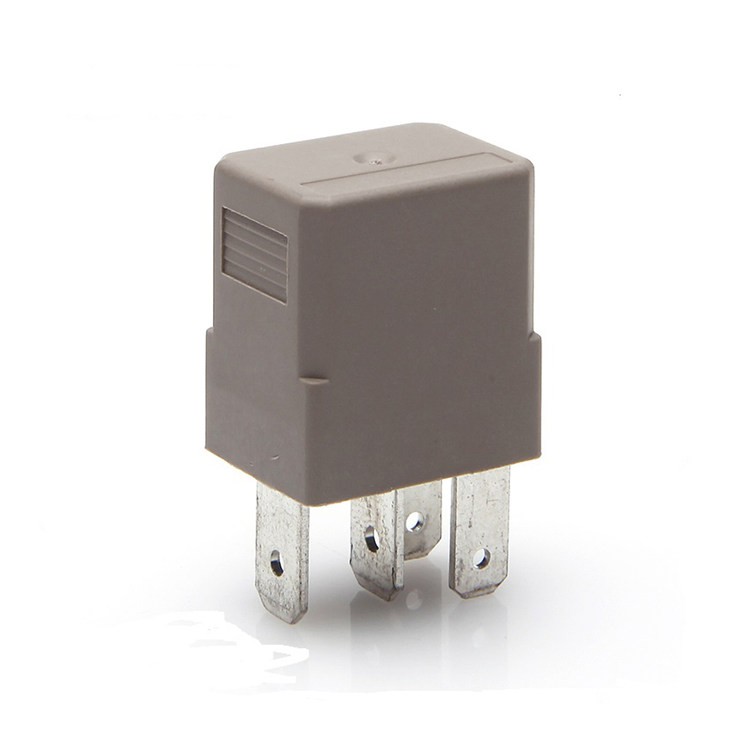
The physical appearance of a 4-pin automotive relay can also provide clues about its authenticity. A genuine relay is typically well - constructed, with a solid and durable casing. The casing should be free from cracks, burrs, or other visible defects.
The pins of the relay should be straight, clean, and of the correct size. They should be made of high - quality conductive materials, such as copper or brass, and have a smooth finish. In contrast, counterfeit relays may have bent or corroded pins, which can affect the electrical connection and the performance of the relay.

The internal components of a genuine relay are also carefully assembled. If possible, open the relay (while being careful not to damage it) and inspect the internal structure. Genuine relays usually have well - organized coils, contacts, and other components. The soldering should be neat and uniform, without any signs of overheating or poor workmanship.
4. Electrical Performance
Testing the electrical performance of a 4-pin automotive relay is an important way to determine its authenticity. A genuine relay should operate within the specified electrical parameters.
First, check the coil resistance. The coil resistance of a relay is determined by its design and specifications. You can use a multimeter to measure the resistance between the coil pins. Compare the measured value with the manufacturer's specified resistance. If the measured resistance is significantly different from the specified value, it may indicate a counterfeit or defective relay.
Next, test the relay's switching function. Apply the appropriate voltage to the coil and check if the contacts open and close properly. You can use a circuit tester or an oscilloscope to monitor the electrical signals. A genuine relay should have a stable and reliable switching performance, with minimal contact bounce and electrical noise.
5. Compatibility and Fit
Genuine 4-pin automotive relays are designed to be compatible with specific automotive applications. Check if the relay is the correct type and size for your vehicle. It should fit properly into the relay socket, and the pins should align correctly.
If the relay does not fit or is not compatible with your vehicle's electrical system, it may be a counterfeit product. Genuine manufacturers provide detailed compatibility information for their relays, which can be found in the product documentation or on their websites.
6. Purchase Source
The source from which you purchase the 4-pin automotive relay is also crucial. It is recommended to buy from authorized distributors or directly from the manufacturer. Authorized distributors have a direct relationship with the manufacturer and are more likely to sell genuine products.
Avoid purchasing relays from untrustworthy sources, such as street vendors or online marketplaces with a high risk of counterfeiting. When buying online, check the seller's reputation, customer feedback, and return policy. If possible, ask for a certificate of authenticity or other proof of the product's origin.
7. Price
While price is not always a definitive indicator of authenticity, extremely low - priced 4-pin automotive relays should raise suspicion. Genuine relays are manufactured using high - quality materials and advanced production processes, which incur certain costs.
If a relay is priced significantly lower than the market average, it is likely to be a counterfeit product. Counterfeiters often cut corners on materials and manufacturing processes to reduce costs, resulting in relays that may not perform reliably or may even pose a safety risk.

8. Technical Support and Warranty
Genuine relay manufacturers usually provide technical support and a warranty for their products. If you have any questions or issues with the relay, you should be able to contact the manufacturer's customer service for assistance.
A warranty is a sign of the manufacturer's confidence in their product. It provides you with protection in case the relay fails within a certain period. Counterfeit products often do not come with a warranty or have very limited warranty terms.
Conclusion
Determining if a 4-pin automotive relay is genuine requires a combination of careful inspection, testing, and research. By considering the manufacturer and brand reputation, packaging and labeling, physical appearance, electrical performance, compatibility, purchase source, price, and technical support and warranty, you can increase your chances of purchasing a genuine relay.
As a 4-pin automotive relay supplier, we are committed to providing our customers with high - quality, genuine products. Our 12 Volt Car Relay and 12V Automotive Relay 4 - Pin are designed and manufactured to meet the strictest industry standards. If you are in the market for 4-pin automotive relays, we invite you to contact us for more information and to discuss your procurement needs. We look forward to working with you to provide the best relay solutions for your automotive applications.
References
- "Automotive Electrical Systems" by John H. Heinricy
- "Relay Handbook" by Potter & Brumfield