

As a well - established 4 - Pin Automotive Relay supplier, I've seen firsthand the importance of a relay's lifespan in automotive applications. A 4 - Pin Automotive Relay is a crucial component in a vehicle's electrical system, used to control high - current circuits with a low - current signal. Extending its lifespan not only saves costs but also enhances the overall reliability of the vehicle. In this blog, I'll share some effective strategies on how to achieve this goal.
1. Proper Installation
The first step in extending the lifespan of a 4 - Pin Automotive Relay is proper installation. Incorrect installation can lead to a variety of problems, including overheating, short - circuits, and mechanical damage.
- Mounting Location: Choose a suitable mounting location for the relay. It should be away from sources of excessive heat, such as the engine block or exhaust system. High temperatures can cause the relay's internal components to degrade more quickly. Additionally, the location should be dry and protected from moisture, as water can corrode the relay's contacts and other parts.
- Wiring: Ensure that the wiring is correctly connected to the relay. The four pins of a 4 - Pin Automotive Relay typically include a coil terminal, a common terminal, a normally open terminal, and a normally closed terminal. Connect the wires to the appropriate pins according to the relay's specifications. Loose or incorrect wiring can result in intermittent operation or even damage to the relay.
2. Correct Electrical Loading
Overloading a relay is one of the most common causes of premature failure. To extend the lifespan of a 4 - Pin Automotive Relay, it's essential to ensure that the electrical load it controls is within its rated capacity.
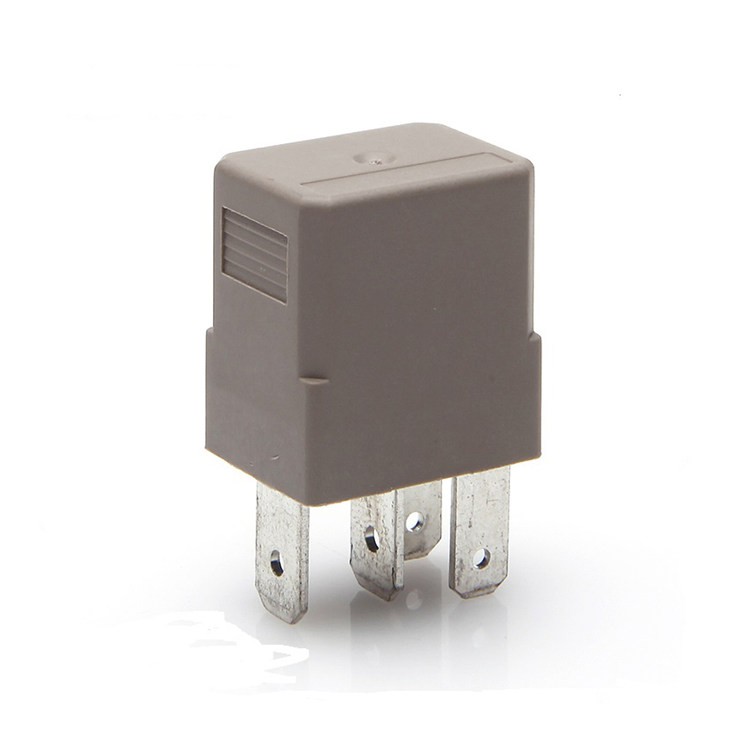
- Understand the Relay's Ratings: Every 4 - Pin Automotive Relay has specific ratings for voltage, current, and power. Before using the relay, carefully read the datasheet to understand these ratings. For example, if you're using a 12 Volt Car Relay, make sure the voltage of the circuit it controls is around 12 volts. Similarly, the current flowing through the relay should not exceed its rated current.
- Avoid Inrush Currents: Some electrical devices, such as motors and solenoids, can generate high inrush currents when they are first turned on. These inrush currents can be much higher than the normal operating current and can damage the relay's contacts. To mitigate this issue, you can use a relay with a higher current rating or add a soft - start circuit to the load.
3. Environmental Protection
The environment in which a 4 - Pin Automotive Relay operates can have a significant impact on its lifespan. Protecting the relay from harsh environmental conditions can help prevent damage and extend its service life.
- Dust and Debris: Dust and debris can accumulate on the relay's contacts and other components, causing poor electrical conductivity and increased wear. To prevent this, you can use a relay enclosure or cover to protect the relay from dust. Regularly inspect the relay and clean it if necessary.
- Vibration and Shock: Automotive relays are often subjected to vibration and shock during vehicle operation. Excessive vibration and shock can cause the relay's internal components to loosen or break. To reduce the impact of vibration and shock, you can use vibration - damping mounts or install the relay in a location where it is less likely to be affected by these forces.
4. Regular Maintenance and Inspection
Regular maintenance and inspection are essential for extending the lifespan of a 4 - Pin Automotive Relay. By identifying and addressing potential problems early, you can prevent major failures and ensure the continued reliable operation of the relay.
- Visual Inspection: Periodically inspect the relay for signs of damage, such as burnt contacts, cracked housings, or loose wires. If you notice any of these issues, replace the relay immediately.
- Functional Testing: Test the relay's functionality regularly to ensure that it is operating correctly. You can use a multimeter to measure the resistance of the coil and the continuity of the contacts. If the measured values are outside the normal range, the relay may be faulty and should be replaced.
5. Use of High - Quality Components
Using high - quality 4 - Pin Automotive Relays and related components can significantly extend the lifespan of the relay. High - quality relays are typically made with better materials and more precise manufacturing processes, which can result in better performance and longer service life.
- Relay Selection: When choosing a 4 - Pin Automotive Relay, select a product from a reputable manufacturer. Look for relays that have been tested and certified to meet industry standards. For example, a 12V Automotive Relay 4 - Pin from a well - known brand is more likely to be reliable and durable.
- Auxiliary Components: In addition to the relay itself, the quality of the auxiliary components, such as the wiring, connectors, and fuses, can also affect the relay's lifespan. Use high - quality auxiliary components to ensure a stable and reliable electrical connection.
6. Control the Coil Voltage
The coil voltage of a 4 - Pin Automotive Relay is a critical factor that can affect its lifespan. Incorrect coil voltage can cause the relay to operate inefficiently or even damage its internal components.
- Stable Power Supply: Provide a stable power supply to the relay's coil. Fluctuations in the coil voltage can cause the relay to chatter or operate erratically, which can lead to premature wear of the contacts. Use a regulated power supply or a voltage stabilizer to ensure a constant coil voltage.
- Avoid Over - Voltage and Under - Voltage: Do not apply a voltage to the relay's coil that is higher or lower than its rated voltage. Over - voltage can cause the coil to overheat and burn out, while under - voltage may prevent the relay from operating correctly.
7. Arc Suppression
When a relay's contacts open or close, an arc can be generated between the contacts. This arc can cause erosion and pitting of the contacts, which can reduce the relay's lifespan. To extend the lifespan of a 4 - Pin Automotive Relay, it's important to suppress the arc.

- Arc Suppression Circuits: Use arc suppression circuits, such as RC (resistor - capacitor) networks or Zener diodes, to reduce the arc energy. These circuits can help protect the relay's contacts from damage and extend their service life.
- Contact Material Selection: Choose relays with contacts made of materials that are resistant to arcing, such as silver - alloy contacts. These materials can withstand the high temperatures and pressures generated by the arc and have a longer lifespan.
In conclusion, extending the lifespan of a 4 - Pin Automotive Relay requires a combination of proper installation, correct electrical loading, environmental protection, regular maintenance, use of high - quality components, control of the coil voltage, and arc suppression. By following these strategies, you can ensure that your 12V 4 Pin Automatic Relay or any other 4 - Pin Automotive Relay operates reliably for a long time.
If you're interested in purchasing high - quality 4 - Pin Automotive Relays or have any questions about extending their lifespan, please feel free to contact us for further discussion and procurement negotiations.
References
- "Automotive Electrical Systems Handbook"
- Datasheets of various 4 - Pin Automotive Relays
- Industry research reports on automotive relay reliability