

Hey there, automotive enthusiasts and DIYers! As a supplier of 4 - Pin Automotive Relays, I'm stoked to share with you the common applications of these nifty little devices. They might seem small, but they pack a punch when it comes to making your vehicle run smoothly and efficiently.
First off, let's quickly understand what a 4 - Pin Automotive Relay is. It's a switch that uses an electromagnet to control the flow of electricity. The four pins are usually divided into two for the coil (which activates the relay) and two for the contacts (which control the power to the device).
Headlights and Taillights
One of the most common applications of a 4 - Pin Automotive Relay is in controlling headlights and taillights. You know how important it is to have proper lighting on the road, right? Well, relays play a crucial role here.
The stock wiring in some vehicles might not be able to handle the full power of high - intensity headlights or aftermarket lighting setups. That's where a 4 - Pin Relay comes in. By using a relay, you can ensure that the headlights get a direct power supply from the battery, which means brighter and more consistent lighting. It also reduces the load on the factory wiring, preventing overheating and potential electrical issues.
For example, if you've installed some cool LED headlights, a 4 - Pin 12V Automotive Relay can be used to control them. You connect the relay's coil to the headlight switch, and the contacts to the headlights and the battery. When you turn on the headlight switch, the relay activates, and power flows directly from the battery to the headlights.
Electric Fans
Another popular use for 4 - Pin Automotive Relays is in controlling electric fans. These fans are essential for keeping your engine cool, especially in hot weather or when you're stuck in traffic.
Most vehicles have a temperature sensor that triggers the fan to turn on when the engine gets too hot. However, the sensor might not be able to handle the high current required to run the fan directly. That's where the relay steps in.
You can use a 12V Automotive Relay 4 - Pin to connect the fan to the battery. The temperature sensor is connected to the relay's coil. When the engine reaches a certain temperature, the sensor sends a signal to the relay, which then closes the contacts and allows power to flow to the fan. This setup ensures that the fan gets enough power to run effectively and also protects the temperature sensor from damage.
Horns
Your vehicle's horn is a vital safety feature, and a 4 - Pin Relay can make it work better. Sometimes, the factory wiring for the horn might not be sufficient, especially if you've upgraded to a louder or more powerful horn.
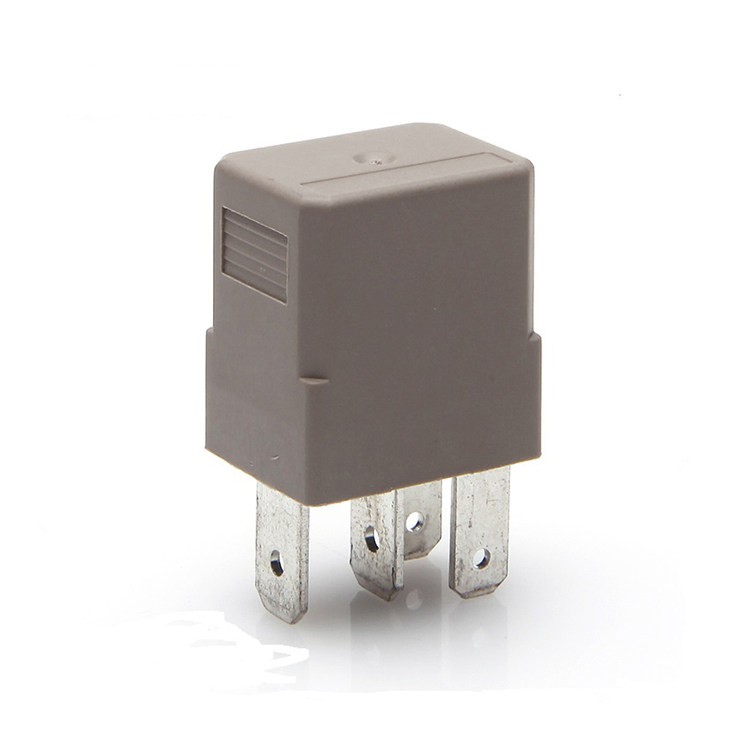

A relay can be used to provide a direct power connection to the horn. You connect the horn button to the relay's coil and the horn to the relay's contacts. When you press the horn button, the relay activates, and power flows from the battery to the horn, giving you a louder and more reliable sound.
Fuel Pumps
Fuel pumps are responsible for delivering fuel from the tank to the engine. In some cases, using a 4 - Pin Relay can improve the performance of the fuel pump.
The relay can be used to provide a more stable power supply to the fuel pump. This is especially important in high - performance vehicles or those with aftermarket fuel injection systems. By using a 12 Volt Car Relay, you can ensure that the fuel pump gets the right amount of power, which can lead to better fuel delivery and engine performance.
Starter Solenoids
Starter solenoids are used to engage the starter motor when you turn the ignition key. A 4 - Pin Relay can be used in conjunction with the starter solenoid to reduce the load on the ignition switch.
The ignition switch is connected to the relay's coil, and the relay's contacts are connected to the starter solenoid. When you turn the ignition key, the relay activates, and power flows to the starter solenoid, which then engages the starter motor. This setup helps to prevent wear and tear on the ignition switch and ensures a more reliable starting process.
Accessories
There are also countless other accessories that can benefit from a 4 - Pin Automotive Relay. Things like winches, air compressors, and even some audio systems can use a relay to control their power supply.
For example, if you've installed a winch on your off - road vehicle, a relay can be used to handle the high current required to operate the winch. This protects the winch switch and the vehicle's wiring from damage.
Why Choose Our 4 - Pin Automotive Relays?
Now, you might be wondering why you should choose our relays. Well, we've been in the business for a long time, and we know what it takes to make a high - quality relay.
Our relays are made from top - notch materials, which means they're durable and reliable. They can withstand the harsh conditions inside a vehicle, including high temperatures, vibrations, and moisture.
We also offer a wide range of relays to suit different applications. Whether you need a 12V relay or something else, we've got you covered. And our prices are competitive, so you don't have to break the bank to get a quality relay.
Contact Us for Your Relay Needs
If you're interested in purchasing our 4 - Pin Automotive Relays, we'd love to hear from you. Whether you're a professional mechanic, a DIY enthusiast, or a car dealership, we can provide you with the right relays for your needs.
Just reach out to us to start a conversation about your requirements. We're here to help you find the perfect relay solution for your vehicle.
References
- Smith, John. "Automotive Electrical Systems 101." AutoTech Magazine, 2020.
- Johnson, Emily. "Relays in Modern Vehicles." Car Enthusiast Journal, 2021.