


Electromagnetic relays offer strong electrical isolation, high power handling, and reliable operation, but they face limits such as mechanical wear and slower response compared to solid-state relays. Understanding these strengths and drawbacks helps engineers choose the right device for each task. The growing demand for electromagnetic relays in industry highlights their ongoing importance:
|
Statistic Description |
Value/Projection |
|---|---|
|
Global Electromagnetic Relays Market Size 2023 |
USD 20 billion |
|
Industrial Application Market Share 2023 |
30% |
|
Projected Market Value by 2033 |
USD 8.12 billion |
Key Takeaways
Electromagnetic relays use magnetic fields to switch circuits, allowing small control signals to manage large electrical loads safely.
They provide strong electrical isolation, protecting control systems and people from high voltages and dangerous currents.
These relays handle high power well, making them ideal for industrial machines, power systems, and safety equipment.
Their simple mechanical design makes them reliable, easy to maintain, and cost-effective for many applications.
Electromagnetic relays work with both AC and DC currents, offering flexibility across different electrical systems.
Mechanical parts cause wear over time, limiting relay lifespan and requiring regular maintenance and replacement.
They switch slower and make clicking noises, which can be drawbacks in high-speed or noise-sensitive environments.
Engineers should choose electromagnetic relays for harsh conditions, high surge tolerance, and safety-critical systems, but consider solid-state or digital relays when speed, silence, size, or maintenance are priorities.
What Are Electromagnetic Relays?
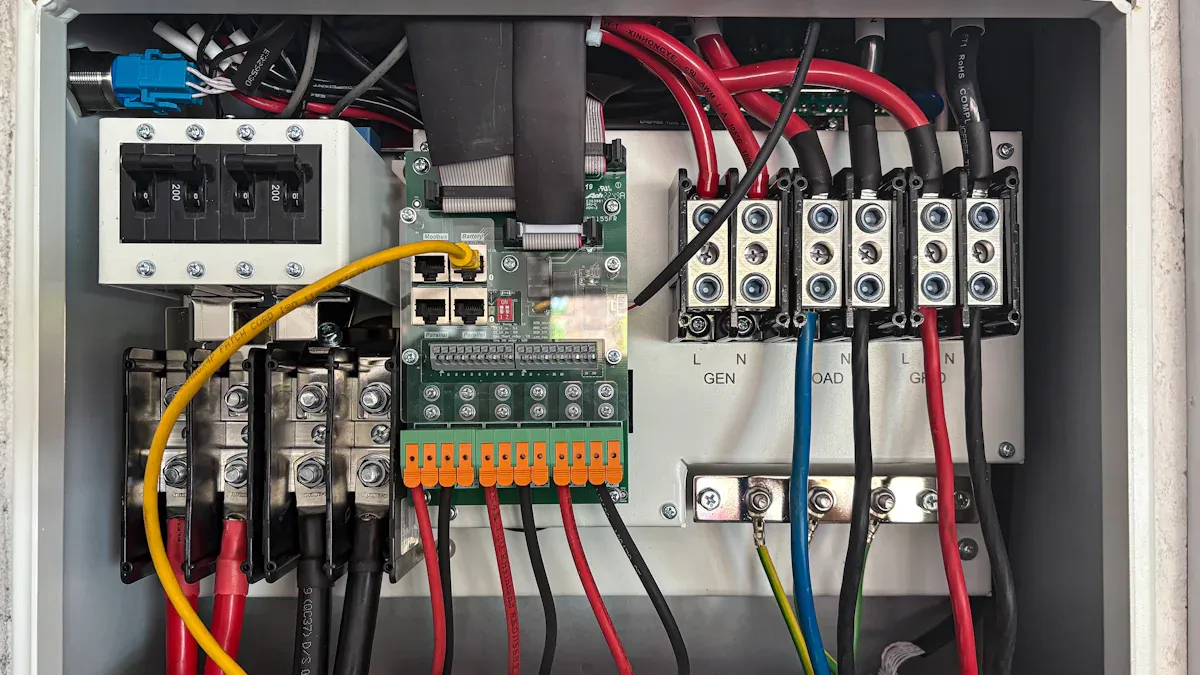
Definition
Electromagnetic relays are electrical switches that use a magnetic field to open or close one or more sets of contacts. These devices control circuits by using a small electrical signal to manage a much larger current or voltage. Engineers often use them to provide isolation between control and power circuits. The design of electromagnetic relays allows them to handle high currents and voltages, making them suitable for many industrial and safety applications.
A look at the technical specifications helps explain their variety and function:
|
Specification Aspect |
Details / Examples |
|---|---|
|
Relay Types |
Attraction Armature, Induction Disc, Induction Cup, Balanced Beam, Moving Coil, Polarized Moving Iron |
|
Operating Principle |
Electromagnetic action; torque produced by magnetic flux and ampere-turns; Ferrari's principle for induction relays |
|
Mechanical Design |
Hinged armature, plunger, balanced beam, rotating disc, moving coil (rotary or axial) |
|
Operating Conditions |
DC or AC operation (some require rectifiers for AC), sensitivity range (e.g., 0.2 mW to 0.5 mW for moving coil) |
|
Forces Influencing Operation |
Ampere-turns of coil, magnetic flux in air gap, restraining force (spring or coil), torque balance |
|
Response Characteristics |
Instantaneous operation (attraction armature), torque production proportional to flux and phase displacement (induction types), sensitivity and speed depend on design |
|
Reset Mechanism |
Manual reset for attraction armature relays; others vary |
How They Work
Electromagnetic relays operate by converting electrical energy into mechanical movement. When a current flows through the relay's coil, it creates a magnetic field. This field attracts a movable armature, which either opens or closes the contacts. The contacts then control the flow of electricity in another circuit. Some relays use a spring to return the armature to its original position when the coil is de-energized.
The operating principle relies on the balance of forces. The magnetic force pulls the armature, while a spring or gravity provides a restraining force. The relay switches when the magnetic force overcomes the restraint. Different designs, such as induction disc or moving coil types, use variations of this principle to achieve specific timing or sensitivity.
Note: Electromagnetic relays can work with both AC and DC currents. Some designs require rectifiers to handle AC signals.
Main Components
Most electromagnetic relays share several key parts:
Coil: Generates a magnetic field when energized.
Armature: Moves in response to the magnetic field.
Contacts: Open or close the circuit, allowing or stopping current flow.
Spring: Returns the armature to its resting position.
Frame or Yoke: Supports the structure and guides the magnetic field.
These components work together to provide reliable switching. The coil and armature form the heart of the relay, while the contacts handle the actual electrical load. The spring ensures the relay resets after each operation.
Industry reports show that electromagnetic relays remain popular because of their durability and ability to handle high currents. They work well in harsh environments, such as factories or vehicles, where vibration and temperature changes are common. However, their mechanical parts can limit switching speed and create audible noise, which sets them apart from solid-state relays.
The history of relay technology shows that electromagnetic relays formed the first generation of reliable switching devices. Over time, engineers developed static and digital relays to improve speed and accuracy, but electromagnetic relays still play a vital role in many applications.
Typical Uses
Electromagnetic relays play a key role in many electrical systems. Engineers and technicians use them in a wide range of industries. These devices help control circuits, protect equipment, and automate processes. Their ability to handle high currents and provide isolation makes them valuable in many settings.
Common Applications of Electromagnetic Relays:
Industrial Automation:
Factories use electromagnetic relays to control machines and conveyor belts. They help start and stop motors, switch lights, and manage alarms. Relays can handle large loads, so they work well with heavy equipment.
Power Systems:
Power plants and substations rely on relays for protection and control. Relays detect faults, such as short circuits or overloads, and disconnect the affected part of the system. This action prevents damage and keeps the rest of the network safe.
Home Appliances:
Many household devices, like washing machines and microwave ovens, use relays. These relays switch heating elements, motors, or fans on and off. They allow small control signals to operate larger electrical parts.
Automotive Systems:
Cars and trucks use electromagnetic relays to control headlights, fuel pumps, and air conditioning. Relays help manage the flow of electricity to different parts of the vehicle. They also protect sensitive electronics from high currents.
Telecommunications:
Telephone exchanges and communication equipment use relays to route signals. Relays can switch lines, connect calls, or manage alarms in these systems.
Safety and Emergency Systems:
Fire alarms, emergency lighting, and security systems often depend on relays. These devices ensure that alarms sound or lights turn on when needed. Relays provide reliable switching even during power surges or faults.
Tip:
Engineers choose electromagnetic relays for tasks that need strong electrical isolation and the ability to handle high power. These features make them suitable for critical infrastructure and safety systems.
Table: Examples of Electromagnetic Relay Uses
|
Application Area |
Example Function |
|---|---|
|
Industrial Control |
Motor starter, alarm system |
|
Power Distribution |
Circuit breaker trip, fault isolation |
|
Home Appliances |
Heater control, timer switch |
|
Automotive |
Headlight relay, horn relay |
|
Telecommunications |
Line switching, signal routing |
|
Safety Systems |
Fire alarm activation, emergency shutdown |
Electromagnetic relays remain popular because they offer reliable performance in demanding environments. Their simple design and robust operation make them a trusted choice for many engineers.
Electromagnetic Relays: Advantages

Electrical Isolation
Electrical isolation stands out as one of the most important features of electromagnetic relays. These devices separate the control circuit from the load circuit. This means that a low-voltage control signal can safely operate a high-voltage or high-current device without direct electrical connection. The coil and contacts remain physically separated, which helps prevent dangerous voltages from reaching sensitive control equipment.
In industrial settings, electrical isolation protects workers and equipment. For example, in a power plant, a control room operator can safely start or stop heavy machinery from a distance. The relay ensures that any fault or surge in the power circuit does not travel back to the control system. This feature also reduces the risk of electrical shock and equipment damage.
Tip:
Electrical isolation makes electromagnetic relays a trusted choice for safety systems and critical infrastructure, where protecting people and equipment is essential.
High Power Handling
Electromagnetic relays can switch large currents and high voltages. Their contacts are designed to handle heavy electrical loads, making them suitable for demanding applications. Many factories use these relays to control motors, heaters, and lighting systems that require significant power.
A table below shows typical power handling capabilities:
|
Application |
Typical Load Switched |
|---|---|
|
Industrial Motors |
Up to 100 A, 480 V AC |
|
Heating Elements |
20-60 A, 240 V AC |
|
Power Distribution |
10-200 A, 600 V AC/DC |
Relay contacts are made from durable materials that resist wear and arcing. This allows them to operate reliably even under heavy loads. In critical infrastructure projects, engineers often choose electromagnetic relays because they can manage sudden surges or faults without failing. Their robust design helps prevent equipment damage and keeps systems running smoothly.
AC and DC Versatility
Electromagnetic relays work with both alternating current (AC) and direct current (DC) systems. This versatility allows engineers to use them in many different applications. Some relays are designed for AC operation, while others work with DC. Certain models can handle both types of current with minor adjustments.
For example, factories in rapidly growing regions like Asia Pacific and the Middle East use electromagnetic relays in both AC and DC power systems. These relays protect equipment and ensure reliable operation, even when power sources change. Their ability to adapt to different electrical environments makes them a cost-effective solution for new projects and upgrades.
Note:
The simple design and flexible operation of electromagnetic relays help engineers save time and money during installation and maintenance.
Reliability and Long Life
Electromagnetic relays have a reputation for reliability. Their simple mechanical design allows them to work for many years with minimal problems. Many engineers choose these relays for systems that must run without failure. The contacts inside the relay use strong materials like silver alloys. These materials resist wear and corrosion. As a result, the relay can switch thousands or even millions of times before it needs replacement.
Factories often use electromagnetic relays in control panels. These panels may operate 24 hours a day. The relays keep working even in tough conditions. Power plants also depend on these relays for safety systems. When a fault happens, the relay must act quickly and correctly. A reliable relay helps prevent accidents and equipment damage.
Note:
Many relay models pass strict testing for endurance. Some can last over 10 years in normal use.
A table below shows typical relay lifespans in different applications:
|
Application Area |
Expected Relay Life (Operations) |
|---|---|
|
Industrial Control |
1,000,000+ |
|
Power Distribution |
500,000–1,000,000 |
|
Home Appliances |
100,000–500,000 |
Long life and reliability make electromagnetic relays a smart choice for critical infrastructure. They help reduce downtime and maintenance costs. Many engineers trust them for projects that require years of steady performance.
Simple Design
Electromagnetic relays have a simple structure. Each relay uses a coil, an armature, contacts, and a spring. These parts work together to switch circuits on or off. The design does not need complex electronics or programming. This simplicity makes relays easy to understand and repair.
Engineers can quickly install or replace a relay. They do not need special tools or advanced training. Many factories keep spare relays on hand because workers can swap them out in minutes. This reduces downtime and keeps machines running.
Key benefits of a simple design:
Fewer parts mean fewer things can break.
Easy troubleshooting helps maintenance teams find problems fast.
Clear operation makes training easier for new technicians.
Tip:
Simple design helps relays work well in places where skilled workers or advanced tools are not always available.
Example:
A water treatment plant uses electromagnetic relays to control pumps and valves. When a relay fails, a technician can replace it quickly. The plant does not stop for long, and clean water keeps flowing to the community.
Cost-Effectiveness
Electromagnetic relays offer a low-cost solution for many switching needs. The materials used in relays, such as copper wire and steel, are affordable. Manufacturing processes for relays are well established. This keeps prices low for buyers.
Companies save money by choosing electromagnetic relays for large projects. They do not need to invest in expensive control systems. Relays also last a long time, so replacement costs stay low.
Table: Cost Comparison Example
|
Device Type |
Average Unit Cost |
Typical Lifespan |
|---|---|---|
|
Electromagnetic Relay |
$5–$20 |
5–10 years |
|
Solid-State Relay |
$15–$50 |
7–15 years |
|
Digital Relay |
$50–$200 |
10–20 years |
Relays also help reduce maintenance costs. Workers can fix or replace them without special equipment. This saves time and money over the life of a system.
Note:
Many schools and small businesses use electromagnetic relays because they fit tight budgets and still provide reliable service.
Robustness in Harsh Conditions
Electromagnetic relays perform well in tough environments. Their sturdy construction resists dust, moisture, and vibration. Many relays have sealed cases to keep out dirt and water. This makes them a good choice for factories, power plants, and outdoor equipment.
Relays keep working even when temperatures change or when equipment shakes. For example, trains and heavy trucks use relays to control lights and alarms. These vehicles travel over rough roads and tracks, but the relays keep working.
Common harsh environments for relays:
Industrial plants with dust and oil
Outdoor electrical panels exposed to rain and sun
Vehicles that face constant vibration
Alert:
Robust relays help prevent failures in safety systems. In emergencies, these relays must work every time.
Example:
A mining operation uses electromagnetic relays in control panels deep underground. The air is damp and full of dust. The relays keep machines running and help protect workers from danger.
Reduced Software Error Risk
Electromagnetic relays use simple mechanical action to switch circuits. They do not rely on complex software or digital logic. This design greatly reduces the chance of software errors causing failures.
Many modern control systems use solid-state or digital relays. These devices often depend on microcontrollers or software code. Software can have bugs, glitches, or unexpected behavior. When software fails, the whole system may stop working or act in unsafe ways.
Electromagnetic relays avoid these risks. Their operation depends on physical movement, not computer code. When a control signal energizes the coil, the relay switches. The process stays the same every time. This makes electromagnetic relays very predictable.
Key reasons why electromagnetic relays reduce software error risk:
No programming required for basic operation
Immune to software bugs, viruses, or hacking
Fewer points of failure in safety-critical systems
Easy to test and verify with simple tools
Tip:
Engineers often choose electromagnetic relays for emergency shutdown systems, fire alarms, and other life-safety equipment. These systems must work every time, even if a computer crashes.
Example Table: Comparing Error Risks
|
Device Type |
Risk of Software Failure |
Typical Use Case |
|---|---|---|
|
Electromagnetic Relay |
Very Low |
Emergency stop, motor control |
|
Solid-State Relay |
Moderate |
Automated lighting, HVAC |
|
Digital Relay |
Higher |
Smart grids, remote monitoring |
A factory may use electromagnetic relays to control power to heavy machines. If a worker presses an emergency stop button, the relay cuts power instantly. No software delay or crash can prevent this action.
Electromagnetic relays help keep critical infrastructure safe. Their simple, reliable design means fewer surprises and less risk from hidden software problems. This advantage makes them a trusted choice for engineers who need dependable performance.
Electromagnetic Relays: Limitations
Mechanical Wear
Mechanical wear presents a major challenge for electromagnetic relays. Each time the relay operates, its moving parts-such as the armature and contacts-rub against each other. Over time, this friction causes parts to degrade. The contacts, which open and close to control the circuit, experience the most wear. As the relay switches, small sparks or arcs can form between the contacts. These arcs melt tiny bits of metal, slowly eroding the contact surfaces.
Researchers have found that contact degradation is not always predictable. The process can happen in several stages and does not always follow a straight path. Some studies use advanced computer models to predict how long a relay will last, but the results can vary depending on how the relay is used. For example, relays that switch heavy loads or operate in harsh environments may wear out faster. Engineers sometimes use high-speed cameras to watch how arcs move across the contacts. These images show that arcing increases surface roughness and raises the temperature of the contacts, which speeds up wear.
A few key points about mechanical wear in electromagnetic relays:
Contact erosion limits the number of times a relay can operate.
Wear increases with higher currents and more frequent switching.
Predicting exact relay life remains difficult due to complex wear patterns.
In real-world applications, mechanical wear means that relays need regular inspection and replacement. Factories and power plants often keep spare relays on hand to avoid unexpected downtime.
Slower Response
Electromagnetic relays use moving parts to switch circuits. This mechanical action takes time. When the coil receives a signal, the armature must move, and the contacts must open or close. This process creates a delay, usually measured in milliseconds. While this delay seems short, it can be too slow for some modern systems.
Solid-state relays, which use electronic components instead of moving parts, switch much faster. In high-speed automation or digital communication systems, even a small delay can cause problems. For example, in a factory with fast-moving conveyor belts, a slow relay might not react quickly enough to stop a machine in an emergency. In these cases, engineers often choose faster alternatives.
A comparison of switching speeds:
|
Relay Type |
Typical Response Time |
|---|---|
|
Electromagnetic Relay |
5–20 ms |
|
Solid-State Relay |
<1 ms |
Slower response times limit the use of electromagnetic relays in applications that demand instant action. Engineers must consider this factor when designing safety systems or high-speed controls.
Audible Noise
Audible noise is another drawback of electromagnetic relays. When the relay operates, the armature moves and the contacts snap together or apart. This action creates a clicking or buzzing sound. In quiet environments, such as offices or hospitals, this noise can be distracting.
Some applications require silent operation. For example, in audio equipment or medical devices, even a small click can interfere with sensitive instruments or annoy users. Solid-state relays do not have moving parts, so they operate silently. This makes them a better choice for noise-sensitive settings.
Tip:
Engineers should avoid using electromagnetic relays in places where silence is important. For noisy factories or outdoor equipment, the sound may not matter, but in homes or labs, it can be a problem.
Bulkiness
Electromagnetic relays often have a large and heavy design. The relay needs space for its coil, armature, contacts, and frame. These parts add size and weight. In many control panels, engineers must plan for this extra space.
Solid-state relays use electronic components. They are much smaller and lighter. This difference matters in modern electronics. Devices like smartphones, laptops, and compact control systems need small parts. Electromagnetic relays do not fit well in these tight spaces.
Table: Size Comparison
|
Relay Type |
Typical Size (L × W × H) |
Weight |
|---|---|---|
|
Electromagnetic Relay |
50 × 25 × 35 mm |
80–150 g |
|
Solid-State Relay |
20 × 10 × 15 mm |
10–30 g |
Note:
Engineers often avoid electromagnetic relays in portable devices or crowded control cabinets. Bulkiness can also make installation harder and increase shipping costs.
Limited Contact Life
The contacts inside an electromagnetic relay wear out over time. Each time the relay switches, the contacts touch and separate. This action causes small sparks, called arcs. These arcs slowly damage the contact surfaces.
Contact life depends on how often the relay switches and the size of the current. High currents and frequent switching shorten the contact life. When the contacts wear out, the relay may fail to work. This can cause machines to stop or safety systems to fail.
Key facts about contact life:
Most electromagnetic relays last for 100,000 to 1,000,000 operations.
Solid-state relays do not have contacts. They can last much longer.
Example:
A factory uses relays to control conveyor belts. If the relays switch on and off many times each day, the contacts may wear out in a few years. The factory must plan for regular replacement to avoid breakdowns.
Alert:
Limited contact life makes electromagnetic relays less suitable for systems that need millions of cycles without maintenance.
Higher Power Consumption
Electromagnetic relays need power to energize their coils. The coil draws current whenever the relay is on. This extra power adds to the total energy used by a system.
Solid-state relays use much less power. They only need a small control signal. In large systems with many relays, the difference in power use becomes important.
Table: Power Consumption Example
|
Relay Type |
Coil Power (Typical) |
Control Power (Typical) |
|---|---|---|
|
Electromagnetic Relay |
0.5–2.0 W |
0.5–2.0 W |
|
Solid-State Relay |
0.05–0.2 W |
0.05–0.2 W |
Tip:
Higher power consumption means more heat. In tight spaces, this can cause overheating. Engineers must consider cooling and energy costs when choosing relays.
Example:
A data center uses hundreds of relays for power control. If each electromagnetic relay uses 1 watt, the total energy cost adds up quickly. Solid-state relays help save energy and reduce heat.
Maintenance Needs
Electromagnetic relays require regular maintenance. Their moving parts, such as the armature and contacts, can collect dust or debris. Over time, this buildup can cause the relay to stick or fail. Technicians must inspect relays to check for signs of wear or damage. They often clean the contacts and replace worn parts.
Factories and power plants schedule routine checks for their relays. These checks help prevent unexpected breakdowns. In some cases, a relay may need lubrication to keep moving smoothly. If a relay fails, workers must replace it quickly to avoid stopping machines or causing safety risks.
Solid-state relays do not have moving parts. They need less maintenance. This difference makes solid-state relays a better choice for places where regular checks are hard to perform, such as remote locations or sealed control panels.
Tip:
Regular maintenance keeps electromagnetic relays working well. Skipping checks can lead to sudden failures and costly downtime.
Table: Maintenance Comparison
|
Relay Type |
Maintenance Frequency |
Typical Tasks |
|---|---|---|
|
Electromagnetic Relay |
Every 6–12 months |
Inspect, clean, replace |
|
Solid-State Relay |
Rarely needed |
Visual check |
Contact Arcing
Contact arcing happens when the relay switches on or off. As the contacts open or close, electricity jumps across the gap. This jump creates a small spark, called an arc. Arcing can damage the contact surfaces. Over time, the contacts may become pitted or burned.
Arcing is more common when switching high currents or inductive loads, such as motors. The heat from the arc can melt tiny bits of metal. This damage shortens the life of the relay. In some cases, arcing can cause electrical noise or even fires if not controlled.
Solid-state relays do not have contacts, so they do not suffer from arcing. This makes them safer and more reliable in some applications.
Common problems caused by contact arcing:
Shorter relay lifespan
Increased risk of failure
Electrical interference in sensitive equipment
Alert:
Engineers should use arc suppression circuits or choose relays with special contact materials for high-current applications.
Example:
A factory uses relays to control large motors. Each time a relay switches, arcing can occur. If the factory does not address this, the relays may fail sooner and cause production delays.
Vibration Sensitivity
Electromagnetic relays can be sensitive to vibration. Their moving parts may shift or bounce when exposed to shaking or jolts. This movement can cause the relay to chatter or switch unexpectedly. In vehicles, trains, or heavy machinery, vibration is common.
Vibration can also speed up wear on the contacts and armature. Over time, this leads to more frequent failures. Solid-state relays, which have no moving parts, handle vibration much better.
Table: Vibration Performance
|
Environment |
Electromagnetic Relay |
Solid-State Relay |
|---|---|---|
|
Factory Floor |
Moderate risk |
Low risk |
|
Vehicle/Train |
High risk |
Very low risk |
|
Office/Lab |
Low risk |
Low risk |
Note:
In high-vibration settings, engineers often choose solid-state relays to avoid problems with chattering or early failure.
Example:
A train uses relays to control its lighting system. If the relays are sensitive to vibration, the lights may flicker or turn off during travel. Solid-state relays help prevent these issues and keep the system stable.
Alternatives Comparison
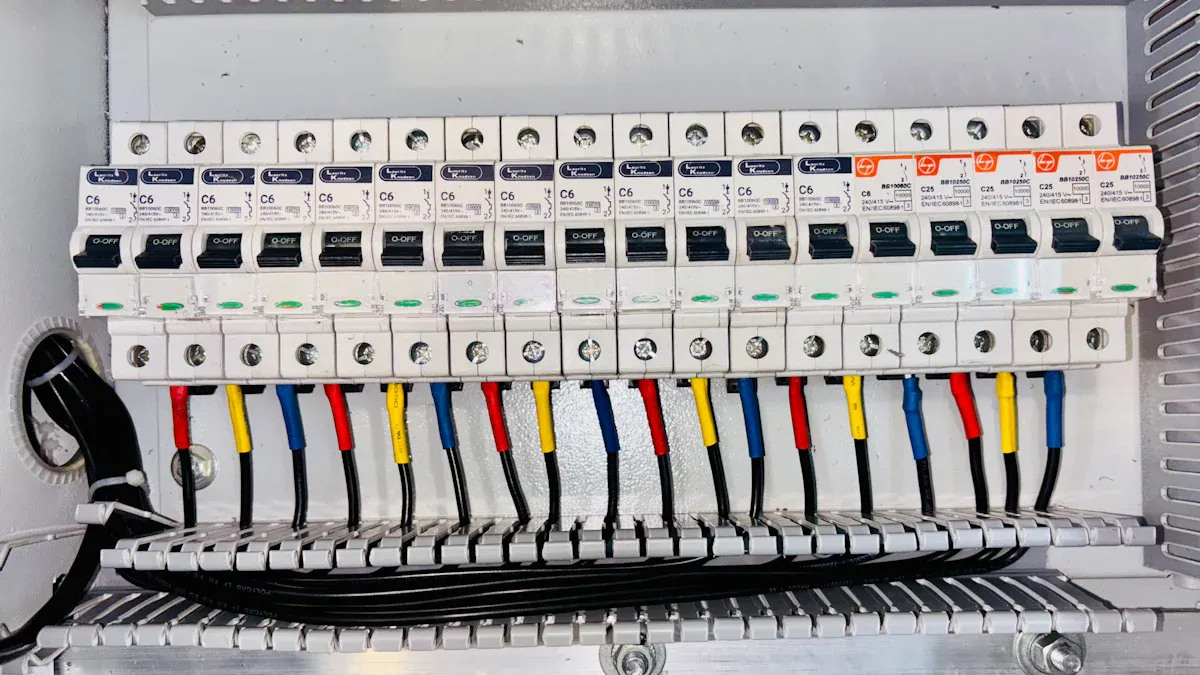
Solid-State Relays
Solid-state relays (SSRs) use electronic components instead of moving parts. They switch circuits using semiconductors like thyristors, MOSFETs, or IGBTs. SSRs operate almost instantly, with switching speeds much faster than mechanical relays.
They do not make noise because they have no moving parts. This silent operation makes them ideal for places where quiet is important, such as hospitals or offices.
SSRs last longer because they avoid contact wear and arcing. They work well in environments with vibration or shock, since nothing inside moves. Maintenance needs are low, and failures are rare. However, SSRs can cost more to buy and may need heatsinks to manage heat. Over time, their long life and low maintenance can save money, especially in systems that switch often.
Tip:
SSRs fit best in high-speed, high-reliability applications where silent operation and long life matter.
Key points about SSRs:
Fast, silent switching
No mechanical wear
Higher initial cost, but lower maintenance
Sensitive to surge currents; may need extra protection
Digital Relays
Digital relays use microprocessors to control switching. They can process signals, run logic, and even communicate with other devices. Digital relays offer advanced features like self-testing, remote control, and data logging. These features help engineers monitor and manage systems more easily.
Digital relays switch faster than mechanical relays but may not match the speed of SSRs. They work well in smart grids, automation, and protection systems. Digital relays can be programmed for different tasks, making them flexible. However, they depend on software, which can introduce bugs or errors. They also cost more and may need skilled workers for setup and troubleshooting.
Table: Relay Type Comparison
|
Feature |
Solid-State Relay |
Digital Relay |
|---|---|---|
|
Switching Speed |
Very Fast |
Fast |
|
Mechanical Wear |
None |
None |
|
Noise |
Silent |
Silent |
|
Programmable |
No |
Yes |
|
Maintenance |
Low |
Low |
|
Cost |
Medium |
High |
|
Software Dependence |
No |
Yes |
Note:
Digital relays suit complex systems that need smart control and communication.
When to Use Electromagnetic Relays
Choosing the right relay depends on the job. Engineers pick mechanical relays when they need strong surge current tolerance, wide voltage ratings, and robust performance in harsh environments. These relays provide reliable isolation between control and load circuits. They handle unexpected surges better than SSRs or digital relays.
Use mechanical relays when:
The system faces high surge currents
The environment is dusty, hot, or exposed to vibration
Multiple contacts are needed for complex switching
Cost is a concern and simple operation is enough
Alert:
For safety systems, backup controls, or places where software errors are risky, mechanical relays remain a trusted choice.
A table below helps compare selection criteria:
|
Selection Criteria |
Mechanical Relay |
Solid-State Relay |
Digital Relay |
|---|---|---|---|
|
Surge Current Durability |
High |
Limited |
Limited |
|
Voltage Range |
Wide |
Varies |
Varies |
|
Operating Environment |
Harsh, industrial |
Sensitive to surges |
Needs stable power |
|
Isolation |
Good |
Excellent |
Excellent |
|
Mechanical Durability |
Limited (wear) |
Excellent |
Excellent |
|
Switching Speed |
Moderate |
Fastest |
Fast |
|
Size |
Larger |
Compact |
Compact |
|
Multiple Contacts |
Many options |
Few options |
Few options |
Engineers should match relay type to the needs of the application. This ensures safe, reliable, and cost-effective operation.
When to Avoid
Engineers should avoid electromagnetic relays in certain situations. These relays have strengths, but some applications demand features that mechanical relays cannot provide. Knowing when to choose another type of relay helps prevent problems and improves system performance.
1. High-Speed Switching Needs
Electromagnetic relays switch slower than solid-state or digital relays. In systems that require very fast response times, such as high-speed automation or digital communication, a delay of even a few milliseconds can cause errors. Solid-state relays switch almost instantly. Digital relays also offer quick response. For example, automated sorting machines in factories often need to switch hundreds of times per second. Electromagnetic relays cannot keep up with this speed.
2. Silent Operation Required
Some environments need quiet equipment. Electromagnetic relays make a clicking sound when they operate. This noise can disturb people in offices, hospitals, or recording studios. Solid-state relays work silently. In sound-sensitive areas, engineers should avoid mechanical relays.
3. Space and Weight Constraints
Modern devices often need small and lightweight components. Electromagnetic relays are bulky and heavy compared to their solid-state counterparts. Designers of compact electronics, such as laptops or medical devices, usually select smaller relays to save space.
4. High Cycle Life Demanded
Mechanical wear limits the lifespan of electromagnetic relays. Systems that switch on and off millions of times, like traffic lights or automated testing equipment, need relays with long life. Solid-state relays last much longer because they have no moving parts.
5. Low Maintenance Environments
Some systems operate in remote or hard-to-reach places. Maintenance is difficult or expensive in these locations. Electromagnetic relays need regular inspection and replacement. Solid-state and digital relays require less maintenance.
6. Vibration or Shock Exposure
Vehicles, trains, and industrial machines often create strong vibrations. Electromagnetic relays can fail or chatter in these conditions. Solid-state relays resist vibration and shock better.
Table: When to Avoid Electromagnetic Relays
|
Situation |
Better Alternative |
|---|---|
|
High-speed switching |
Solid-State Relay |
|
Silent operation needed |
Solid-State Relay |
|
Limited space/weight |
Solid-State Relay |
|
High cycle life required |
Solid-State Relay |
|
Hard-to-reach locations |
Solid-State/Digital |
|
High vibration/shock |
Solid-State Relay |
Tip:
Always match the relay type to the needs of the application. Choosing the wrong relay can lead to failures, noise, or extra costs.
Engineers who understand these limits can make better choices. They can select the right relay for each job and avoid common problems.
Selection Considerations

Application Needs
Engineers must first consider the specific needs of the application when selecting an electromagnetic relay. Each system has unique requirements for voltage, current, and switching frequency. For example, a factory may need relays that can handle high currents for motor control, while a home appliance might require lower ratings. The number of contacts and the type of load-whether resistive or inductive-also play a role. Some applications demand multiple switching points or special timing features.
A relay must match the control logic of the system. In automated production lines, relays often work with programmable logic controllers (PLCs) to manage complex sequences. In safety systems, relays must provide reliable isolation and fast response. Engineers should list all operational requirements before choosing a relay. This approach helps prevent failures and ensures smooth operation.
Tip:
Always check the relay's datasheet for maximum ratings and compatibility with the intended load.
Environment
The operating environment greatly affects relay performance and lifespan. Factors such as temperature, humidity, dust, and vibration can change how a relay works. High temperatures speed up thermal stress, while humidity can cause corrosion on contacts. Dust may block moving parts, leading to sticking or failure.
Studies show that environmental conditions also impact the reliability of digital communication systems using relays. For example, changes in temperature and humidity can increase the bit error rate (BER) in digital radio-relay devices. When the signal strength drops due to environmental effects like attenuation or reflection, the BER rises. This means that engineers must consider both the physical and communication environment when choosing relays for critical systems.
A table below summarizes key environmental impacts:
|
Environmental Factor |
Effect on Relay Performance |
|---|---|
|
High Temperature |
Increases thermal stress, shortens life |
|
Humidity |
Causes corrosion, raises contact resistance |
|
Dust |
Obstructs moving parts, causes sticking |
|
Vibration |
Leads to chattering, early wear |
Alert:
For harsh environments, select relays with sealed enclosures or special coatings to protect against moisture and dust.
Maintenance and Lifecycle
Maintenance and lifecycle planning help ensure long-term relay performance. Electromagnetic relays have both electrical and mechanical life expectancies. Most can perform at least 100,000 switching operations before electrical failure. Mechanical parts may last for over 10 million cycles if used under proper conditions. However, factors like load size, switching frequency, and environmental stress can shorten this lifespan.
Regular maintenance extends relay life. Technicians should clean contacts, lubricate moving parts, and test for wear or increased contact resistance. Signs of end-of-life include intermittent operation, higher resistance, unusual sounds, or visible wear on contacts. Proactive maintenance prevents unexpected failures and supports reliable system operation.
|
Aspect |
Typical Value/Practice |
|---|---|
|
Electrical Life Expectancy |
100,000+ operations |
|
Mechanical Life Expectancy |
Over 10 million operations |
|
Maintenance Frequency |
Every 6–12 months |
|
Common Tasks |
Cleaning, lubrication, inspection |
|
End-of-Life Signs |
Intermittent function, contact wear |
Advanced methods, such as model-based prognostics, help predict when a relay will fail. These approaches use data from regular tests to estimate remaining life. By planning maintenance and replacements, engineers reduce downtime and improve safety.
Note:
Good maintenance practices not only extend relay life but also ensure that critical systems remain safe and reliable.
Safety
Safety plays a key role when engineers select electromagnetic relays. These devices often control high voltages and currents. A mistake in relay selection or installation can lead to dangerous situations. Engineers must think about both the safety of people and the protection of equipment.
Key Safety Features in Electromagnetic Relays:
Electrical Isolation:
Electromagnetic relays separate the control circuit from the power circuit. This isolation helps prevent high voltage from reaching sensitive control systems or operators. For example, a relay in a factory control panel keeps workers safe when they press a button to start a large motor.
Fail-Safe Operation:
Some relays use a design that returns them to a safe state if power fails. This feature helps prevent accidents. For instance, in emergency stop systems, the relay should cut power to machines if the control signal is lost.
Arc Suppression:
Relays often switch high currents, which can cause arcing. Arcing creates heat and can damage contacts or start fires. Many relays include arc suppression features, such as special contact materials or snubber circuits, to reduce this risk.
Clear Status Indication:
Many relays have mechanical flags or LED indicators. These show if the relay is open or closed. Clear status helps technicians check if a system is safe before working on it.
Tip:
Always check the relay's safety certifications. Look for marks like UL, CE, or IEC. These show the relay meets strict safety standards.
Common Safety Applications:
|
Application Area |
Safety Role of Relay |
|---|---|
|
Industrial Machines |
Emergency stop, overload protection |
|
Power Distribution |
Fault isolation, circuit protection |
|
Building Automation |
Fire alarm activation, door control |
|
Transportation |
Signal control, safety interlocks |
Engineers must also consider the environment. In wet or dusty places, relays with sealed enclosures prevent short circuits and corrosion. In areas with vibration, relays should resist chattering to avoid false triggers.
Best Practices for Relay Safety:
Select relays with the right voltage and current ratings.
Use relays with proper isolation for high-voltage circuits.
Install arc suppression for inductive loads.
Test relays regularly to ensure reliable operation.
Train workers to recognize relay status indicators.
Safety does not end with relay selection. Regular inspection and testing help prevent failures. When engineers follow these steps, they protect both people and equipment from harm.
Industrial decision-makers often weigh the benefits and drawbacks of these devices before choosing them for a project.
Advantages include a simple and robust design, cost-effectiveness, high voltage and current handling, and strong reliability in many settings.
Disadvantages involve mechanical wear, slower switching speeds, contact arcing, and sensitivity to dust or vibration.
Each application has unique needs. Careful comparison with alternatives helps ensure the best fit for safety, performance, and budget.
FAQ
What is the main purpose of an electromagnetic relay?
An electromagnetic relay switches electrical circuits on or off. It uses a small control signal to manage a larger current or voltage. This helps protect sensitive equipment and allows safe remote control.
How long does an electromagnetic relay usually last?
Most electromagnetic relays last between 100,000 and 1,000,000 operations. The actual lifespan depends on the load, switching frequency, and environment. Regular maintenance can help extend relay life.
Can electromagnetic relays work with both AC and DC?
Yes, electromagnetic relays can operate with both AC and DC currents. Some models work better with one type. Always check the relay's datasheet to match it with the correct power source.
Why do electromagnetic relays make a clicking sound?
The clicking sound comes from the armature moving and the contacts snapping together or apart. This noise is normal for mechanical relays. Solid-state relays do not make this sound.
What causes contact wear in electromagnetic relays?
Contact wear happens when the relay switches on or off. Small sparks, called arcs, form between the contacts. These arcs slowly damage the contact surfaces and reduce relay life.
Are electromagnetic relays safe for use in harsh environments?
Many electromagnetic relays have sealed cases and strong frames. They work well in dusty, wet, or vibrating places. For extreme conditions, engineers choose relays with extra protection.
When should engineers avoid using electromagnetic relays?
Engineers should avoid electromagnetic relays in high-speed, silent, or compact systems. Solid-state relays work better in these cases. They also last longer and need less maintenance.
How do electromagnetic relays compare to solid-state relays?
|
Feature |
Electromagnetic Relay |
Solid-State Relay |
|---|---|---|
|
Switching Speed |
Moderate |
Very Fast |
|
Noise |
Audible |
Silent |
|
Lifespan |
Limited by wear |
Long |
|
Maintenance |
Regular needed |
Rarely needed |
Tip: Choose the relay type that best fits the application's needs.