


As the demand for components increases, more people are recognizing the need for these parts as new energy technologies continue to grow. Smart grids and automated factories are becoming commonplace, and with the introduction of strict energy regulations, there is a clear shift towards energy-efficient electrical systems. These changes not only help reduce power consumption and save money but also ensure compliance with safety standards. Manufacturers and suppliers must adapt to meet the rising demand for components. The market is projected to expand from $97.5 billion in 2024 to $272.54 billion by 2033, driven by factors such as energy efficiency, smart appliances, and modular systems.
|
Year |
Market Size (USD Billion) |
CAGR (%) |
|---|---|---|
|
2024 |
97.5 |
N/A |
|
2025 |
109.29 |
N/A |
|
2033 |
272.54 |
12.1 |
Key Takeaways
The market for low-voltage electrical components will grow a lot. It will go from $97.5 billion in 2024 to $272.54 billion by 2033. This happens because people want more energy efficiency and smart technologies.
Renewable energy sources like solar and wind are becoming more popular. They need special low-voltage components to help energy move safely and efficiently.
Smart grids are changing how we manage energy. They need advanced low-voltage equipment for real-time monitoring and control. This also means more jobs in this field.
Rules and standards want safer and more energy-efficient products. This pushes companies to create new ideas and increases the need for low-voltage components that follow these rules.
Automation and smart appliances are changing homes and industries. This makes people want more energy-saving low-voltage solutions that improve safety and efficiency.
Drivers of Change
Renewables Growth
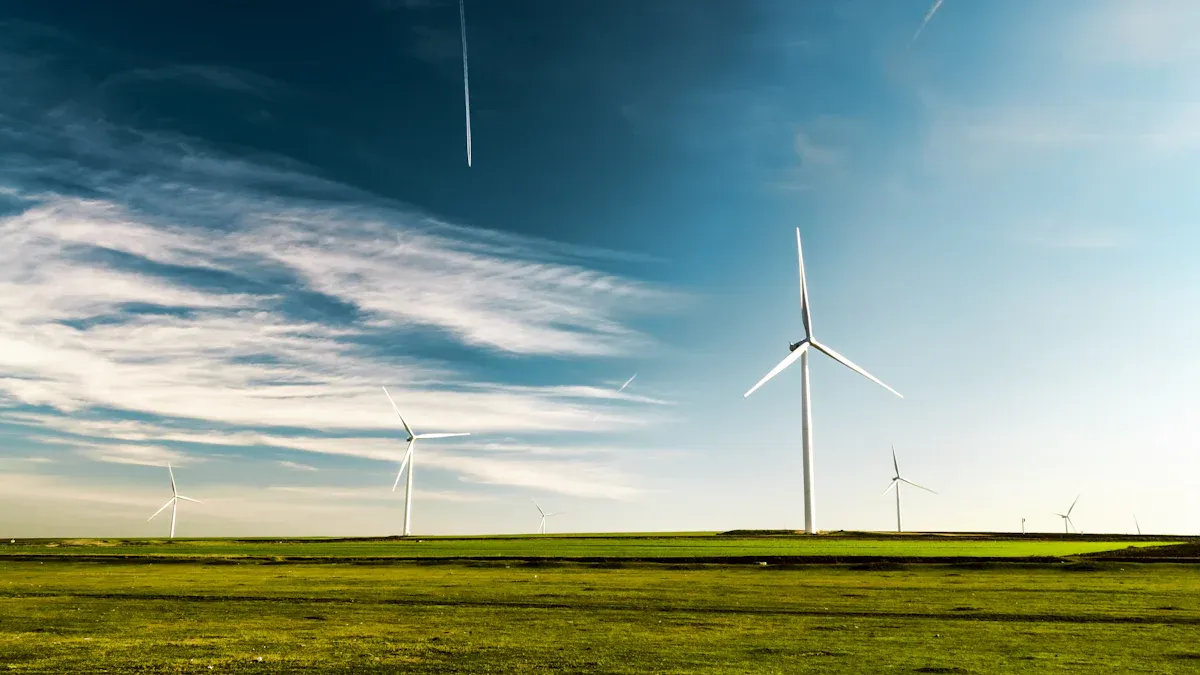
Renewable energy is growing quickly in many places. Solar and wind power need special systems to join the grid. This change means more components are needed for new energy types. The global low voltage energy distribution market was worth USD 14.37 billion in 2024. Experts think it will reach USD 24.42 billion by 2032, with a CAGR of 6.85%. More homes and businesses use solar panels and wind turbines now. So, you need more low-voltage parts to keep things safe and working well.
Smart Grid Expansion
Smart grids help people use electricity better. These grids use sensors and smart devices to balance energy use. The global smart grid market was USD 46.1 billion in 2023. It could grow to USD 139.7 billion by 2032. This fast growth means more components are needed for smart controls and real-time data. Utilities need new low-voltage equipment to upgrade their networks. This helps energy move smoothly.
Note: Smart grid growth creates more jobs for engineers and technicians. They install and take care of these new systems.
Automation Trends
Factories and buildings use more robots and machines now. Low-voltage electrical components power these systems. Automation needs parts that save energy and work well. Digitalization brings smart switchgear with IoT technology. This helps save energy and cut down waste. As automation gets bigger, more components are needed to support these changes.
Regulatory Push
Governments make strict rules for safety and energy use. You must follow these rules when you design or install electrical systems. For example, the EU's General Product Safety Regulation (GPSR) needs proof that products are safe. These rules make it harder to make and sell low-voltage products. But they also push you to create new ideas. Meeting these standards means more demand for components that are safe and efficient.
|
Market Driver |
Description |
|---|---|
|
Rising Energy Efficiency Demands |
You need good products to save energy and lower costs. |
|
Smart Technologies Integration |
Automation and IoT need advanced low-voltage solutions. |
|
Renewable Energy Fusion |
Solar and wind power need special low-voltage systems. |
|
Urbanization and Infrastructure Uplift |
Cities are growing and need better electrical components. |
|
Electrification Initiatives |
Electric cars and heating systems need more components. |
|
Resilient Infrastructure |
You want systems that work well even in bad weather. |
Demand for Components: Market Trends
Energy-Efficient Solutions
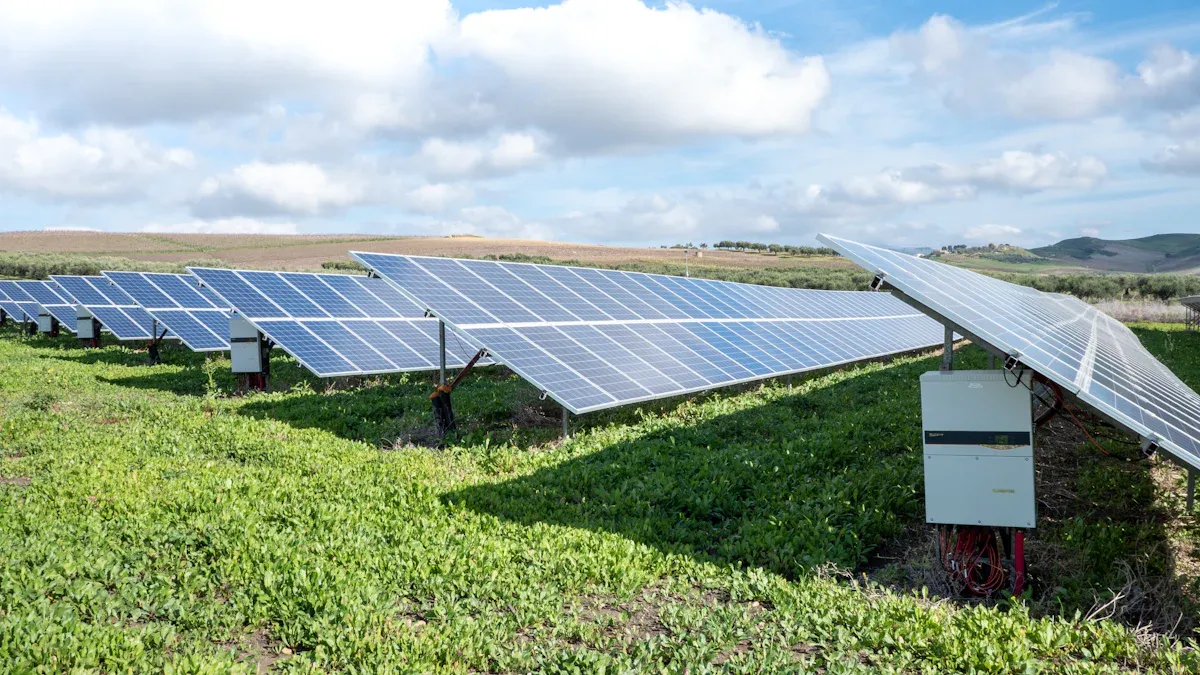
More companies want energy-efficient solutions now. Manufacturers use smart sensors to watch systems. This helps save energy and money. Many companies use recyclable materials in their products. They also use energy-saving ways to make things. You see more focus on sustainability in low-voltage electrical components. New ideas in energy storage and smart grids change how you use electricity.
Companies spend money on better battery technology. These changes make people want more components that help save energy.
Making sure products are good quality is very important. You want things that last longer and work well.
Here is a table that shows how fast different market segments will grow:
|
Market Segment |
Projected CAGR |
Timeframe |
|---|---|---|
|
Low Voltage Digital Substation |
7.4% |
2025 to 2035 |
|
Low Voltage Power Distribution |
6-7% |
Next five years |
|
Low Voltage Electric Fuse |
2.78% |
2024 to 2032 |
Smart Appliances
Smart appliances are changing homes and workplaces. You use devices that connect to the internet. These devices talk to each other. More smart appliances means more need for new and energy-saving components. IoT-enabled devices need low-voltage relays to work well. You see more smart relay technology in new products. Smart relay growth rates have gone up over 20% each year since 2020. This shows strong growth as people want smart home features.
Smart appliances help you control how much energy you use.
These devices make homes safer and more comfortable.
More homes and businesses want smart solutions, so demand for components goes up.
Switchgear Growth
Switchgear helps control and protect electrical systems. You need switchgear to keep power safe. The switchgear market size is about USD 168.8 billion in 2025. It could reach USD 317.5 billion by 2034. This means a growth rate of 7.3% each year. You see more switchgear used in new energy systems. This is true for renewable energy and smart grids.
Switchgear helps manage power in homes, factories, and cities.
You need switchgear for safety and saving energy.
More switchgear means more need for components.
Direct Current Systems
Direct current (DC) systems are used more in new energy projects. DC systems help make energy distribution better. High-voltage direct current (HVDC) technology moves energy from solar and wind sources. DC lighting systems are easy and cheap. More places use low-voltage DC microgrids with energy storage for reliability.
Using low-voltage DC microgrids makes buildings and factories more energy efficient. You get smoother operations and lower costs.
Government projects are important too. The electric power sector plans to invest about US$194 billion in 2025. Programs like the President's Investing in America agenda and the Bipartisan Infrastructure Law give money for grid upgrades. These efforts make people want more components for new energy systems.
Product Impact
Digital Devices
Digital devices for low-voltage systems are changing a lot. New ideas make your job safer and easier. Many companies use smart circuit breakers now. They also use digital tools to watch their systems. These devices help you find problems quickly. They keep everything working well. Here is a table with some important new products:
|
Innovation |
Description |
|---|---|
|
Graphene-based Circuit Breakers |
These breakers use metal-graphene parts. They do not need much care. They protect against faults and last longer. |
|
3WA Air Circuit Breaker |
You can upgrade these with an app. They use software and IoT for monitoring. |
|
GaN-Based Tri-Mode Intelligent Solid-State Circuit Breakers |
These work in low-voltage DC networks. They use pulse width modulation for soft starts and fault control. |
Protection Equipment
You need strong protection equipment to keep things safe. Clean energy and new digital tools change how you protect the grid. Automation and real-time data help balance energy use. Many industries use low-voltage systems more now. The market for protection equipment is growing fast. It will go from $18 million in 2024 to almost $29 million by 2032. More wind and solar power are used in many places. This means you need better protection and control to keep things steady.
Clean technology and digital tools shape protection equipment.
Automation helps you use energy better.
More renewable energy means more need for protection components.
Custom Solutions
You want solutions that fit your needs best. Custom low-voltage parts help you work smarter and safer. Many projects use advanced switchgear and smart grid solutions. Companies care about being green and following rules. Here is a table with the latest custom solution trends:
|
Trend Description |
Implications for Low-Voltage Components |
|---|---|
|
Advanced switchgear technologies |
You get better safety and efficiency. |
|
Smart grid integration |
You can watch and control systems live. |
|
SF6-free insulation and energy-efficient designs |
These help you meet green goals. |
|
Digital switchgear for EV charging and smart buildings |
You support new building needs. |
|
AI-driven automation |
You find problems faster and plan repairs better. |
Integration with Storage
You see more energy storage in new energy projects now. These systems help you use solar and wind power better. Batteries store and release power quickly. This helps you handle changes in supply. Low-voltage parts are important for protection, switching, and changing power. You need batteries, inverters, communication tools, and safety gear to work well. Some companies, like BSLBATT, offer systems with ready connections. This makes setup easier and helps manage energy better.
Tip: Using storage solutions helps keep your energy steady and reliable.
Industry Challenges
Compliance Issues
There are many rules for low-voltage electrical components. Governments want products to be safe and save energy. You must check every product before selling or installing it. If you break the rules, you might get fined or delayed. Rules change in different places, so you must stay updated. This makes your job harder when new energy systems use advanced technology.
Tip: Always look up the newest safety and energy codes before starting a project.
Supply Chain
Supply chain problems can slow down your work and cost more money. You wait longer for important parts like transformers. Wait times went from 50 weeks in 2021 to 120 weeks in 2024. Some big units take up to 210 weeks to arrive. High prices and long waits can make you lose money and miss deadlines. You also face shortages of materials and workers. Bad weather and new trade rules make things even harder.
Transformers now take about 120 weeks to arrive.
Utilities pay more and have project delays.
Not enough materials and workers slow things down.
Weather and trade changes add more problems.
Innovation Needs
You need new ideas to keep up with fast changes in energy systems. Low-voltage products help connect solar and wind power to the grid. Modern switchgear lets you find problems early. Data tools help you use energy better and save money. You want systems that can grow with your business and fit busy cities. Flexible designs let you upgrade without stopping work. Smart grid technology and renewable energy push you to find better solutions.
Low-voltage products help renewable energy work well.
Real-time monitoring stops failures.
Data helps lower costs and carbon footprints.
Flexible systems help you grow easily.
Upgrades do not stop your work.
Competition
Manufacturers try to make the best low-voltage components. New trends change the market. Companies want high performance, reliability, and smaller sizes. Digital features and smart technology make control easier. Modular designs let you pick what you need. Devices talk to each other for smart grids. Overcurrent protection keeps systems safe.
|
Development Trend |
Description |
|---|---|
|
High Performance |
Components work well in energy projects. |
|
High Reliability |
Products last longer and handle tough jobs. |
|
Miniaturization |
Small parts fit into tight spaces. |
|
Digitalization |
Digital tools help control and save energy. |
|
Modularization |
Easy designs fit many uses. |
|
Smart Technologies |
Smart systems help manage energy better. |
|
Communication |
Devices share information for better teamwork. |
|
Overcurrent Protection |
Safety features protect your systems. |
People want more smart homes, electric cars, and automated factories. Competition makes companies create better products and new solutions for every problem.
Regional Insights
North America
North America is growing fast with new energy projects. Many businesses use more renewable energy now. Electrification is also getting popular. This means more low-voltage electrical components are needed. Fuses are especially important. Here are some trends you see:
More renewable energy projects need reliable low-voltage fuses.
Cars, robots, and electronics use more devices. This makes safety components more important.
The low voltage UL fuse market will grow 4.6% each year from 2024 to 2034. It will reach $2.0 billion by 2034.
Automation and more factories make people need more low-voltage fuses.
These changes help systems become safer and work better.
Europe
Europe is a leader in renewable energy and smart grids. You see big investments and new technology in many places.
|
Evidence |
Description |
|---|---|
|
Investment Needs |
France will spend €100 billion by 2040. This money will upgrade grids, help data centers, EV charging, and low-carbon energy. |
|
Technological Advancements |
Companies use GaN and SiC semiconductors. These make things work better and smaller. Modular, digital power supplies help watch and change systems easily. |
|
Market Growth |
Sales dropped 2.3%, but experts think sales will grow 6–10% in 2025. Energy-saving buildings and data centers lead this growth. |
Europe cares about new ideas and saving energy.
Asia-Pacific
Asia-Pacific is growing quickly in energy systems. Circuit breakers help keep things safe and reliable. Here are some important facts:
Cities and villages use more electricity. China, India, and Southeast Asia need more components.
China spends a lot on new buildings and renewable energy.
India is growing fast with government help for grids and factories.
Japan and South Korea want safer and more energy-saving systems. They use advanced circuit protection.
These countries will have safer and more reliable power as they invest in new energy.
Emerging Markets
Emerging markets are getting better with new energy and modern grids. Countries in Africa, Latin America, and the Middle East build solar and wind farms now. They need strong and cheap low-voltage components to grow. Local governments want smart grids and energy storage. This gives suppliers and manufacturers more chances to join these fast-growing places.
You notice new energy trends are changing what people want. Companies care about saving energy and using smart technology. They also use materials that can be recycled. The table below shows the main market trends:
|
Trend |
Description |
|---|---|
|
Energy Efficiency |
Products use less power and support green goals. |
|
Renewable Integration |
Solar and wind systems need modern components. |
|
Technological Innovation |
Advanced designs improve flexibility and safety. |
You can get ahead by using smart solutions. It helps to spend money on research and development. You should follow new rules too. If you change fast, you find more chances. You can handle future problems with confidence.
FAQ
What are low-voltage electrical components?
Low-voltage electrical components help control and protect power. You find them in homes, factories, and many devices. People use them in lights, appliances, and smart systems. These parts keep equipment safe and working well.
Why does new energy increase demand for these components?
There are more solar panels and wind turbines now. Smart grids are also used more often. These systems need special low-voltage parts for safety and control. As new energy grows, you need more of these components. They help keep everything running smoothly.
How do smart grids affect your choice of components?
Smart grids use sensors and digital tools. You need advanced low-voltage parts for real-time data and remote control. These components help save energy and spot problems fast.
What challenges might you face with low-voltage components?
You might wait longer for parts to arrive. Safety rules can change often. Costs may go up. You should check the newest standards. Plan for longer wait times when you order parts.
How can you make your energy system more reliable?
Pick high-quality, certified components.
Use smart devices to watch your system.
Add backup storage for steady power.
Stay updated on new technology and safety rules.
See also
Ultimate Guide to Power Distribution Systems: Grid to Home 2025
Industrial Automation Components Guide for Engineers & Technicians 2025
40A Relay Application Equipment: Power Control Systems Guide 2025
30A Relay Application Scenarios: Ultimate Guide to Heavy-Duty Switching