

The IEC 61810 relay standard gives clear rules for how relays should work and how safe they need to be. You should know these rules to pick relays that work well in real life. If you follow the IEC 61810 relay standard, you can stop problems like contact bounce and make relay failure less likely.
You will see better relay performance and longer relay life.
You will also spend less on maintenance and make things safer.
Key Takeaways
Learn about the IEC 61810 standard so you can pick good relays for your projects.
Look at the electrical ratings like voltage and current to make sure the relay is safe and works well.
Find out if the relay has passed mechanical endurance tests to know it will last and work right.
Always check for safety certifications and clear instructions before you use a relay.
Use the quick checklist to make choosing a relay easier.
What is the IEC 61810 relay standard?
Scope and Parts of IEC 61810
It is important to know what IEC 61810 covers before picking a relay. This standard explains how relays should work and what tests they need to pass. The IEC 61810 series has different parts, and each part talks about something special:
IEC 61810-1 tells you the main rules for electromechanical elementary relays. It explains how relays should work and how safe they must be.
IEC 61810-4 is about relays with forcibly guided contacts. These relays are needed for safety circuits.
IEC 61810-7 explains how to test relays. You can use these tests to see if a relay follows the rules.
IEC 61810-10 is for relays used in functional safety jobs.
These parts help you pick the right relay for your project. Each part shows you what to check when you read a datasheet or talk to someone selling relays.
Applications and Harmonization
You can find IEC 61810 relays in many places. Here are some ways they are used:
Electric vehicles (EVs) and hybrid electric vehicles (HEVs): Relays help control high-voltage circuits and keep batteries safe.
Renewable energy systems: Relays connect solar panels or wind turbines to inverters. This helps everything work well.
Medical devices: Relays help devices like defibrillators start safely.
Test and measurement equipment: Relays protect tools by safely turning high-voltage probes on and off.
The IEC 61810 relay standard also works with other world standards. The new IEC/UL 61810-1 standard takes the place of UL 508 for electromechanical relays. This change makes it easier to follow rules in the United States, Canada, and other countries. If a relay meets this standard, it will work in many places and pass important safety checks.
IEC 61810 relay requirements
Electrical Performance
You need to check the electrical performance of any relay before you use it. The IEC 61810 relay standard tells you how much voltage and current a relay can handle. You should look for terms like "electrical endurance" in the datasheet. This means the relay can switch on and off many times without failing. The standard also talks about "functional insulation." This keeps you safe from electric shock by making sure the relay separates live parts from the outside. Always check the rated voltage, current, and insulation level. These numbers show if the relay will work in your circuit.
Mechanical Endurance
Mechanical endurance shows how long a relay will last when it moves many times. The IEC 61810 relay standard sets rules for this. You will see tests like terminal torque and pull-out tests. These make sure the relay's screws stay tight and do not break. The standard also checks if the relay can handle short circuits without causing fire or shock. You should look for relays that pass these tests. This means the relay will last longer and work safely in your project.
Terminal torque and pull-out tests check screw strength.
Electrical endurance tests show how many times the relay can switch loads.
Short-circuit tests make sure the relay stays safe during faults.
Safety and Reliability
You want your relay to work every time you use it. The IEC 61810 relay standard helps you with this. It sets rules for relays used in places where safety matters, like power plants or trains. The standard checks if the relay works well in strong electromagnetic fields. It also makes sure the relay will not fail in a way that could hurt people or damage equipment. Some relays also follow IEC 60255-27 for even tougher safety tests. When you pick a relay that meets these rules, you get better safety and reliability.
Tip: Always choose relays that meet both IEC 61810 relay and other safety standards for critical jobs.
Environmental Conditions
Relays must work in many places, from hot factories to moving trains. The IEC 61810 relay standard checks if relays can handle shock, vibration, and temperature changes. You will see that some relays can take shocks up to 30 g for 1 millisecond. They can also work in places with lots of shaking, like trains or earthquake zones. The design often uses special blades for each contact. This helps the relay resist vibration and shock. Always check the datasheet for these ratings if your project faces tough conditions.
Shock resistance: up to 30 g for 1 ms
Vibration resistance: works in seismic and rolling stock environments
Temperature range: check the datasheet for limits
Marking and Documentation
You need clear information to use a relay safely. The IEC 61810 relay standard says each relay must have labels that show important details. You should see the rated voltage, current, and safety marks on the relay. The datasheet must also explain how to install and use the relay. Good marking and clear instructions help you avoid mistakes. Always read the label and the datasheet before you start your project.
Note: If you cannot find clear markings or a datasheet, do not use the relay.
Checking compliance
Datasheets and Labels
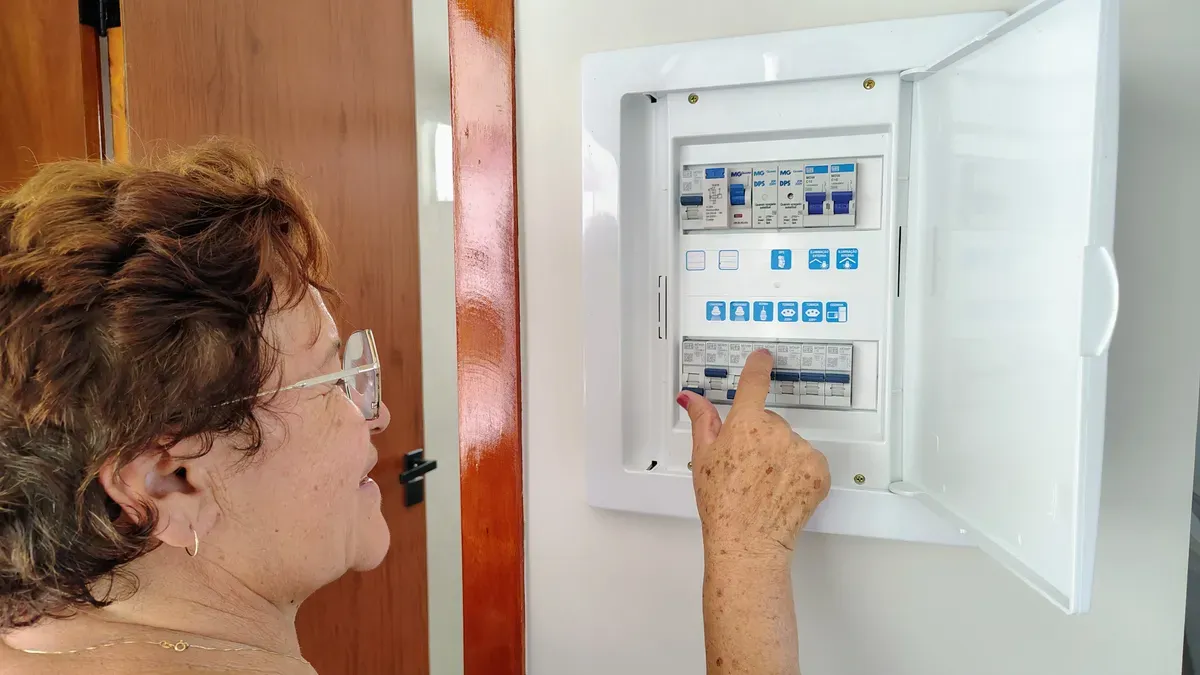
Always check the datasheet and the relay's label first. The datasheet tells you important facts about the relay. Look for timing accuracy, electrical ratings, and environmental ratings. These numbers help you know if the relay is safe for your project. The label on the relay should match the datasheet. You will see voltage, current, and safety marks on the label. If the markings are clear, you can trust the relay.
Here is a simple table of important datasheet parameters:
|
Parameter |
Description |
|---|---|
|
Timing Accuracy |
Relay must work within set time limits. |
|
Electrical Ratings |
Voltage, current, and power ratings for safe use. |
|
Environmental Ratings |
Overvoltage category, pollution degree, impulse withstand voltage. |
|
Certifications |
Shows IEC 61810 compliance and if you can sell it. |
|
EMC Immunity/Emissions |
Relay must meet electromagnetic compatibility rules. |
|
Endurance Testing |
Relay must pass tests for durability and lifespan. |
Tip: If you do not see these details in the datasheet, do not use the relay.
Certifications and Test Reports
Check certifications and test reports before you use a relay. These papers show the relay meets IEC 61810 and other safety rules. Look for certificates from trusted labs. You will see marks like UL or CE. Test reports show coil resistance, pull-in voltage, and contact resistance. These numbers help you find good relays and avoid bad ones.
Here is a table to help you check relay health:
|
Parameter |
Healthy Relay (Typical) |
Degraded / Failed |
Unit |
Compliance |
|---|---|---|---|---|
|
Coil DC Resistance |
Within ±10 % of datasheet |
>200 % or <10 % of normal |
Ω |
IEC 61810-1 |
|
Pull-in Voltage |
≤75–80 % of rated coil voltage |
>90 % of rated voltage |
V |
IEC 61810-1 |
|
Drop-out Voltage |
10–20 % of rated coil voltage |
>30 % (sticky armature) |
V |
IEC 61810-1 |
|
Contact Resistance |
50–100 mΩ (Kelvin) |
>500 mΩ (oxidized/pitted) |
mΩ |
IEC 61810-2 |
|
Insulation Resistance |
>100 MΩ at 500 V DC |
<10 MΩ (moisture/tracking) |
MΩ |
IEC 61810-1, UL 508 |
|
Operate Time |
5–15 ms (EMR), <1 ms (SSR) |
>20 ms (slow armature) |
ms |
IEC 61810-1 |
|
Contact Rating |
Per datasheet |
Derated >20 % without reason |
A / V |
UL 508, IEC 61810-2 |
Manufacturer Support
Ask the manufacturer for help if you have questions about compliance. Good companies give you technical support, extra test reports, and guides. They answer your questions and help you fix problems. You can trust relays from companies that give strong support. If you cannot get answers or documents, pick another supplier.
Note: Good support makes picking a relay easier and safer for you.
Why IEC 61810 relay requirements matter
Safety and Reliability Benefits
You want your systems to be safe every time. The IEC 61810 relay standard helps you reach this goal. It sets strict rules for insulation, contact resistance, and endurance. Relays that meet these rules are less likely to fail or cause accidents. For example, relays must pass a dielectric test voltage of 4,000V AC between coil and contacts for one minute. They also need insulation resistance above 100 megaohms at 500V DC. These numbers show the relay can handle tough jobs without breaking.
Here is a table with key reliability requirements:
|
Parameter |
Requirement under IEC 61810 |
|---|---|
|
Dielectric test voltage |
4,000V AC between coil and contacts for one minute |
|
Insulation resistance |
Over 100MΩ at 500V DC |
|
Contact resistance |
Not more than 100mΩ for power contacts |
|
Temperature rise |
Must not exceed safe limits |
|
Mechanical endurance |
Must meet defined endurance for long-term reliability |
Some relay modules add extra protection, like optocoupler isolation. This gives you another layer of safety and makes your system more reliable.
Simplified Selection
Picking the right relay can seem hard. The IEC 61810 relay standard makes it easier. You can check the relay's type and know what it can handle. The standard uses ratings like RT I, RT II, and RT III to show how much protection the relay has. RT I means the relay is dust protected. RT IV means it is sealed from the outside. This helps you pick the right relay for your job.
|
Rating |
Description |
|---|---|
|
RT 0 |
Unenclosed relay |
|
RT I |
Dust protected relay |
|
RT II |
Flux proof relay |
|
RT III |
Wash tight (washable) relay |
|
RT IV |
Sealed relay |
|
RT V |
Hermetically sealed relay |
Tip: Use these ratings to match the relay to your environment and needs.
Legal and Industry Compliance
You must follow rules when you build or sell electrical equipment. The IEC 61810 relay standard helps you meet these rules. Many countries and industries accept this standard. If you use relays that meet it, you can sell your products in more places. You also show you care about safety and quality. This can help you avoid legal trouble and build trust with your customers.
Meeting the IEC 61810 relay standard is not just about safety. It also helps you succeed in the market.
Quick reference for IEC 61810 relay requirements
This quick reference helps you check if a relay meets the main rules. The table below lists the most important things to look at. Each rule helps you pick a relay that works safely and lasts a long time.
|
Requirement |
What to Check |
Why It Matters |
|---|---|---|
|
Electrical Ratings |
Voltage, current, power |
Stops overload and failure |
|
Electrical Endurance |
Number of switching cycles |
Shows how long relay lasts |
|
Functional Insulation |
Insulation level and test voltage |
Keeps you safe from shock |
|
Mechanical Endurance |
Number of mechanical operations |
Makes sure relay lasts longer |
|
Shock Resistance |
Shock rating (g-force, ms) |
Keeps relay safe in rough places |
|
Vibration Resistance |
Vibration rating |
Stops damage from shaking |
|
Temperature Range |
Minimum and maximum temperatures |
Relay works in hot or cold |
|
Marking and Labels |
Clear voltage, current, and safety marks |
Helps you install the relay right |
|
Certifications |
UL, CE, IEC marks |
Shows relay follows the rules |
|
Documentation |
Datasheet and instructions |
Helps you use the relay safely |
Tip: Always check the datasheet for these ratings before you buy or use a relay.
You can use this checklist:
Find clear voltage and current ratings.
Check how many times the relay can switch and move.
Look at shock and vibration resistance if your project is tough.
Make sure the relay has good insulation and passes test voltages.
Find safety marks and certifications on the relay and datasheet.
Read the instructions so you do not make mistakes when installing.
If you follow these steps, you will pick a relay that works well and keeps your project safe. Use this quick reference every time you choose a relay for a new job.
You have learned the main IEC 61810 relay rules. Knowing these rules helps you pick relays that are safe and last a long time. When you know what the rules mean, you can:
Check if relays are safe and work well.
Pick the best relay for each project.
Make your system more reliable and follow safety rules.
If you want to learn more, you can look at these guides and standards:
|
Description |
URL |
|---|---|
|
Source for standards, engineering specifications, manuals, and technical publications |
Link |
FAQ
What does "electrical endurance" mean for a relay?
Electrical endurance shows how many times you can switch the relay under load before it fails. You should check this number in the datasheet to know how long your relay will last in your project.
How do you know if a relay meets IEC 61810?
You can look for IEC 61810 marks on the relay or in the datasheet. Certifications from trusted labs also show compliance. If you see these, you know the relay follows the standard.
Why do relays need insulation tests?
Insulation tests keep you safe from electric shock. These tests check if the relay can separate live parts from the outside. You should always use relays that pass these tests.
Can you use IEC 61810 relays in harsh environments?
Yes, you can. Many IEC 61810 relays work in places with high shock, vibration, or temperature changes. Always check the datasheet for ratings like shock resistance and temperature range.
What should you do if you cannot find a relay's datasheet?
Tip:
Do not use the relay if you cannot find a datasheet. You need this information to check ratings, safety, and compliance. Always choose relays with clear documentation.