


A communication fan relay is an important part of cooling systems. It works like a bridge, sending signals to control cooling fans. This small but strong device makes sure fans turn on and off correctly. This helps keep the temperature steady and stops overheating.
Without this relay, the system might not work well. It could overheat or perform poorly. The relay is key to balancing temperature control and saving energy.
Key Takeaways
-
A fan relay helps cooling fans work at the right times. This stops the system from getting too hot.
-
-
Checking and cleaning the relay often can save money. It can cut repair costs by 30% and make your HVAC last longer.
-
-
Look out for problems like fans not working evenly or weird sounds. Fixing these early can stop expensive repairs later.
-
-
Use a multimeter to test voltage and check wires. Make sure all connections are tight for the relay to work well.
-
-
Think about how old the relay is and its condition. Replacing it on time can make your system work better.
What is a communication fan relay?
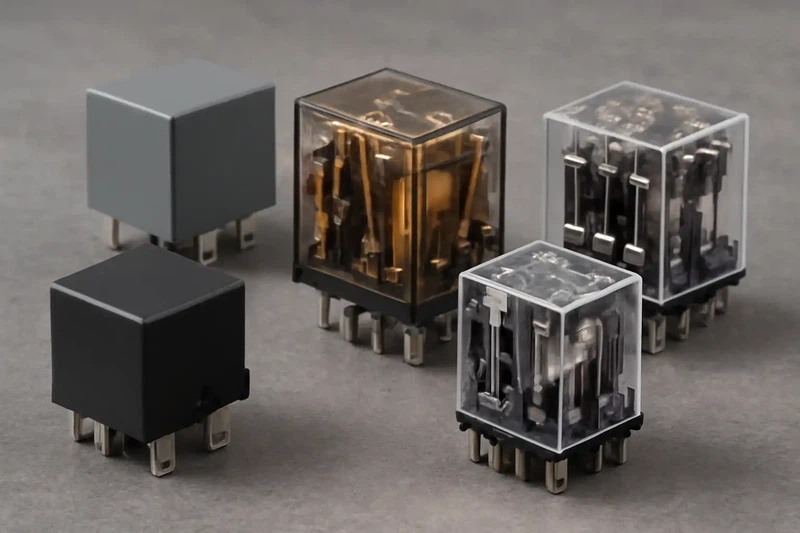
Definition and purpose
A communication fan relay is a key part of cooling systems. It works like a switch, controlling fans with electrical signals. This relay makes sure fans turn on at the right time. It helps keep temperatures steady and prevents overheating. Without it, systems like HVACs or car cooling systems might overheat or work poorly.
The relay controls electrical circuits efficiently. It uses low voltage to manage high voltage safely. This setup helps control fans while avoiding electrical damage. It is vital for keeping systems reliable and saving energy.
Key components and design
A communication fan relay has important parts that make it work:
-
Coil: Creates a magnetic field to switch circuits.
-
-
Contacts: Open or close circuits to control electricity flow.
-
-
Housing: Shields parts from dust, water, and damage.
-
-
Terminals: Connect the relay to the system's wiring.
-
The relay is small but strong. It is built to last and handle heavy use. Engineers design it to work well under tough conditions.
Applications in HVAC and cooling systems
These relays are used in systems needing temperature control. In HVACs, they manage fans that move air or cool parts. They only turn on when needed, saving energy and making systems last longer.
In cars, the relay works with radiator and cooling fan relays. It keeps the fan running when the engine gets hot, preventing damage.
Factories and data centers also use these relays for large cooling systems. They ensure smooth and steady cooling operations.
Tip: Check your HVAC fan relay often to avoid problems and keep it working well.
How does the communication fan relay work?
Managing electrical signals
The communication fan relay helps control electrical signals in cooling systems. It acts like a bridge, using low-voltage signals to safely manage high-voltage circuits. This makes sure the cooling fan runs only when needed, saving energy and stopping overheating.
You can test if the relay works with simple steps. First, apply the right voltage to the relay coil. Next, use a multimeter set to 'R×1k' to check the contacts. When no power is on, the open contact stays off, and the closed contact works. When power is on, the open contact turns on, and the closed contact stops. These tests show if the relay handles signals correctly.
Watching current and voltage levels also checks the relay's performance. Balanced voltage, steady waveforms, and good power factors mean the relay is working well. This accuracy keeps your HVAC system running smoothly and avoids problems like overheating or relay failure.
Working with radiator and cooling fan relays
The communication fan relay works with radiator and cooling fan relays to keep engines cool. When the engine heats up, it signals the radiator fan relay to turn on. This powers the cooling fan relay, making the fan run and cool the engine.
This teamwork stops the engine from overheating. If one relay fails, the fan might not work, causing engine damage. Regular checks and fixing problems early can prevent this. Keeping all parts working together helps maintain engine temperature and extends the life of your HVAC system.
Role in HVAC systems
In HVAC systems, the communication fan relay controls fans that move air and adjust temperature. It turns fans on and off as needed, keeping rooms comfortable and saving energy.
A broken HVAC fan relay can cause uneven heating or cooling. Regular checks, cleaning, and ensuring the relay gets the right voltage can stop these problems. Fixing issues early improves HVAC performance and avoids expensive repairs.
The relay does more than control temperature. It also makes the HVAC system reliable and efficient. By managing signals and working with other parts, it ensures smooth operation, giving you steady heating and cooling when needed.
Symptoms of a failing communication fan relay

Common signs of malfunction
When a communication fan relay starts failing, there are warning signs. One common issue is fans working unevenly. The cooling fan might not turn on or stay on too long. This can cause overheating or uneven cooling in HVAC systems.
Another clue is strange sounds from the relay or fan. Clicking or buzzing noises often mean electrical problems. HVAC systems may also struggle to keep temperatures steady. If the relay completely burns out, the cooling fan stops working. This leaves the engine or HVAC fan unable to do its job.
Tip: Watch for these signs early. Fixing relay problems quickly avoids bigger damage and costly repairs.
Impact on radiator and cooling fan performance
A bad cooling fan relay affects the radiator fan relay and cooling fan. If the relay fails, the radiator fan relay might not work. This stops the cooling fan and disrupts the cooling process.
You may see the engine temperature rise fast, especially in hot weather. If ignored, this can cause serious engine damage. Regular relay checks help the radiator fan relay and cooling fan work together to keep the engine cool.
Consequences for HVAC efficiency
Broken HVAC fan relays can hurt HVAC system efficiency. Fans may not work right, causing uneven heating or cooling. Rooms might feel too hot or cold, and the system uses more energy to fix the problem.
Relay burnout can also damage other HVAC parts. Overworking the system wears it out faster, leading to higher repair costs. Regular checks and fixing issues early keep your HVAC system running well and lasting longer.
Note: Solving relay problems early improves HVAC performance and helps your cooling system last longer.
Troubleshooting and repairing a faulty relay
Diagnostic steps for identifying issues
Finding problems with HVAC fan relays starts by watching how the system works. If the system can't keep heating or cooling steady, or if the fan doesn't turn on, the relay might be broken. Look for signs like burnt marks or a bad smell. Use a multimeter to check if electricity flows through the relay. A good relay will show correct voltage when it's working.
Modern systems often show error codes to help find problems. Codes like P1475 or P1478 mean specific relay issues. Check your system's manual to understand these codes. Regularly cleaning and checking wires can also catch problems early.
|
Trouble Code |
Description |
|---|---|
|
P1475 |
Fan Relay (Low) Circuit Malfunction |
|
P1476 |
Fan Relay (High) Circuit Malfunction |
|
P1477 |
Additional Fan Relay Circuit Malfunction |
|
P1478 |
Cooling Fan Driver Fault |
|
P1479 |
High Fan Control Primary Circuit Malfunction |
Tools needed for troubleshooting
To fix relay problems, you need the right tools. A multimeter helps check voltage and electricity flow. A circuit tester shows if power reaches the relay. An OBD-II scanner reads error codes for radiator or cooling fan relays. Insulated screwdrivers and pliers are useful for handling wires safely.
Basic tools like a flashlight help find loose wires, and a brush cleans dust off parts. Surge protectors stop relays from getting damaged by power spikes. These tools make it easier to find and fix problems, keeping the system from overheating or breaking down.
Repair vs. replacement considerations
When fixing HVAC fan relays, decide to repair or replace them. Small issues like loose wires or dirt can be fixed by cleaning or tightening. Big problems like burnt relays or broken coils usually need new parts.
Think about the relay's age and repair costs. Old relays might not be worth fixing, and replacing them can improve performance. Keeping track of maintenance helps you know when to replace parts. Regular care and timely replacements save money and keep your HVAC system working longer.
|
Maintenance Strategy |
Benefit |
|---|---|
|
Regular checks on electrical connections |
Finds problems early, saving money and extending system life. |
|
Use of surge protectors |
Protects relays from power spikes, avoiding expensive fixes. |
|
Routine inspections |
Spots loose wires and wear, keeping the system running well. |
|
Scheduling inspections with technicians |
Prevents big problems by catching early signs of damage. |
|
Keeping detailed maintenance records |
Tracks the relay's condition, helping with repairs and replacements. |
|
Understanding signs of failure |
Helps fix problems quickly, keeping the system safe and working. |
Tip: Compare repair costs with replacement benefits to keep your HVAC system running smoothly.
Preventive maintenance tips for a communication fan relay
Regular inspection and cleaning
Check and clean your communication fan relay often to keep it working well. Dust and dirt can build up and hurt the fan's performance.
Clean the control area every month and the machine cage inside the cabinet regularly. Write down the temperature and humidity inside the cabinet daily. This helps you spot moisture or rust early. These steps protect the relay from damage caused by the environment.
Look at all cable connections weekly to make sure they are tight and secure. Check the indicator lights on all cards every day. If you see any fault lights blinking, fix the problem right away. Every three months, check grounding connections to ensure they are in good shape. Doing these tasks regularly lowers the chance of relay problems.
Tip: Regular maintenance can cut repair costs by 30% and keep systems running all year without stopping.
Monitoring electrical connections
Watching electrical connections is very important for your HVAC fan relay. Loose or rusty connections can stop the relay from controlling the fan properly. Use a multimeter to check voltage levels and confirm the power supply is working fine. Look at system logs often for unusual records that might show electrical problems.
Check the fan and computer temperature daily to find issues early. If something seems wrong, fix it quickly to avoid bigger problems. Watching the system in real-time helps catch issues early, saving time and money on repairs.
Note: Checking electrical connections often makes the system more reliable and helps your HVAC fan relay last longer.
Best practices for HVAC fan relay longevity
Follow smart practices to make your HVAC fan relay last longer. Use sensor data to find problems before they get worse. Inspect your equipment often to check its condition. Train technicians regularly so they know the newest tools and repair methods.
Don't overwork the cooling fan. Only use it when needed to avoid wearing out the relay. Keep detailed records of maintenance to track the relay's condition and plan replacements on time. These habits help your HVAC system last longer and work better.
Reminder: Using these tips can stop sudden failures and keep your HVAC system running smoothly.
The communication fan relay is important for cooling systems to work well. It makes sure fans turn on and off at the right time. This stops overheating and saves energy. Checking for problems early and doing regular maintenance can prevent expensive repairs. Look at the relay often, clean off dust, and check wires for any issues. These easy steps keep your system working properly and lasting a long time.
FAQ
What does a communication fan relay do?
The relay makes sure cooling fans work at the right time. It stops overheating and keeps temperatures steady. This helps the system run better and protects parts from harm.
What happens if the relay breaks?
A broken relay can mess up fan operation. You might see overheating, uneven cooling, or hear odd sounds. These problems can damage the engine or make HVAC systems less effective.
What tools are needed to check a relay?
You'll need a multimeter to measure voltage, a circuit tester to check power flow, and an OBD-II scanner to find error codes. Insulated tools keep you safe when handling wires.
How often should you check the relay?
Check the relay every month for dust, loose wires, or wear. Regular inspections help avoid issues and make the relay last longer.
Should you fix or replace a relay?
Small problems like dirt or loose wires can be fixed. Burnt or broken relays usually need replacing. Think about the relay's age and repair costs before choosing.