

You may see relay failure when dirt and worn parts hurt the system. Stopping problems is important for safety and reliability. Doing regular checks helps you find issues early. This keeps your equipment working for more time.
Regular checks help you find problems before things stop working.
Checks use looking and testing to plan better.
Fixing problems with maintenance makes the system work better and helps relays last longer.
Keep your relays clean and take care of them to avoid trouble.
Key Takeaways
Checking relays often helps find problems early. This keeps things safe and working well. - Keep relays clean and safe from dust and water. This stops contamination problems. - Watch electrical loads closely to stop overheating. This protects relay parts from damage. - Use the right tools, like multimeters, to test relays. This helps find problems before they get worse. - Change relays if you see damage, like burnt parts or stuck contacts. This keeps the system working well.
Common Relay Failure Modes
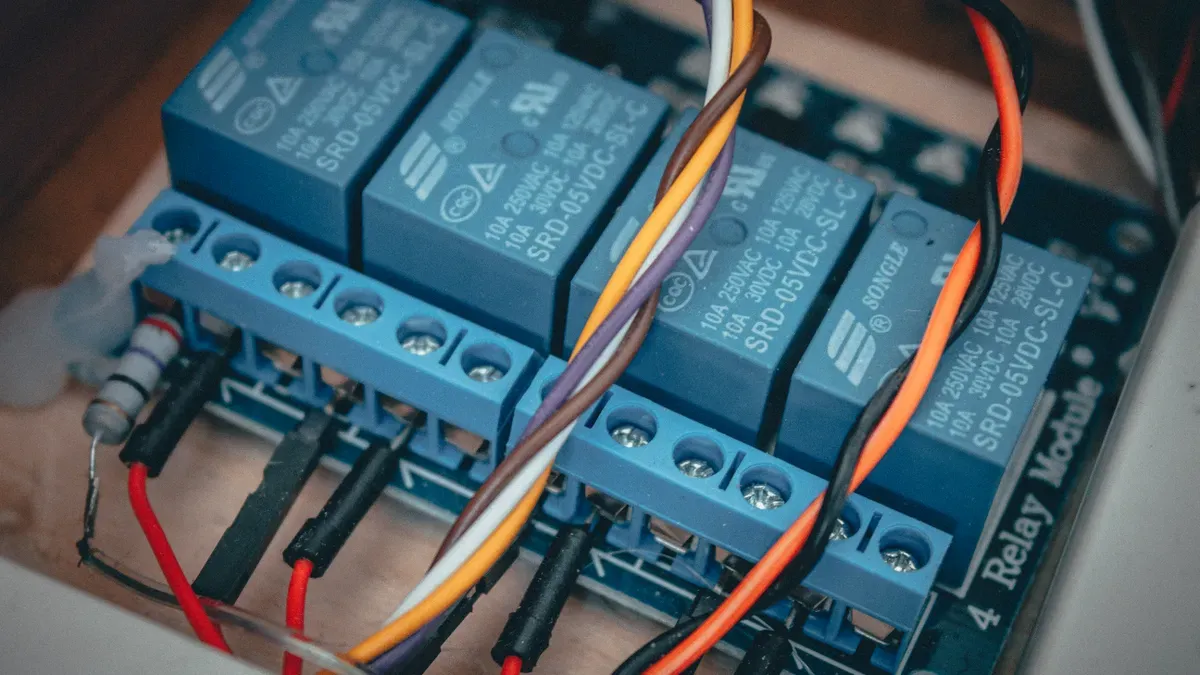
Contamination Issues
Dust, moisture, or chemical vapors can get inside a relay. This makes it hard for the contacts to open or close. You might see slow or unreliable switching. Where you use the relay affects how much contamination happens. The table below shows how often you should check relays in different places:
|
Environment Type |
Inspection Frequency |
|---|---|
|
Climate-Controlled |
Every 3-5 years |
|
Unconditioned |
Every 2-3 years |
|
Outdoor/Harsh |
Annually or biennially |
If you do not check relays enough, contamination can cause relay failure. Your equipment may stop working or act strangely.
Tip: Clean relays often and keep them in clean places to lower contamination risk.
Mechanical Wear
Mechanical wear happens when parts inside a relay break down. Relays that switch on and off a lot wear out faster. Over time, contacts and springs lose their shape or strength. This causes bad connections and relay failure.
Microprocessor relays can last over 16 years in good conditions. Sometimes they last more than 20 years.
Outdoor relays wear out faster because weather is tough on them.
Traditional mechanical relays wear out most because they have many moving parts. When parts wear down, contacts get worse. This makes relays less reliable and shortens their life. Relays used in places with lots of switching fail more often.
Contact Welding
Contact welding means relay contacts stick together. This happens after high current or a strong electrical arc goes through the contacts. When contacts weld, they cannot open or close right. This can stop your system or make it unsafe.
Contact welding can cause big reliability problems. Welded contacts do not separate, so circuits can fail. This problem gets worse if relays operate often or handle high current. Arcing and shocks make contacts wear and change shape. More resistance from wear leads to bad conductivity and failures. This hurts the reliability of the relay circuit.
Watch for signs like relays stuck in one spot or equipment that will not turn off.
Coil Burnout
Coil burnout is a common reason for relay failure. The coil can get too hot and stop working if there are electrical problems. Many things can cause coil burnout:
Overvoltage makes the coil too hot and melts insulation.
Too much current heats the coil windings past safe limits.
Undervoltage makes the armature chatter and wears out the relay faster.
Voltage spikes from switching can destroy coil insulation quickly.
High temperatures around the relay can damage the coil and cause problems.
If you smell something burnt, see melted parts, or relays that do not work, coil burnout may be the cause.
Note: You can stop coil burnout by using relays within their rated voltage and current limits and keeping them cool.
Causes and Symptoms of Relay Failure
Excessive Current and Voltage
A relay can get damaged if too much current or voltage goes through it. High electrical loads make the relay hot. This heat can hurt the contacts and the coil inside. Voltage spikes happen when you turn some things on or off. These spikes can also damage the relay. They can make the contacts wear out faster or stick together.
Too much current makes the relay hot and harms parts.
Voltage spikes can break down the contacts and cause the relay to fail early.
If current keeps flowing, it makes heat that weakens the relay.
Turning on things like motors or lights can send sudden voltages through the relay.
If your relay feels hot or works slowly, check for electrical problems.
Environmental Factors
Where you put your relay is important. Outdoor or tough places can make relays fail faster. Big changes in temperature, wet air, and dust all matter. High heat can melt insulation and make resistance go up. Cold weather can make parts hard and easy to break. Wet air can cause rust or short circuits. Dust can block moving parts and make the relay too hot.
|
Environmental Factor |
Impact on Relay Performance |
|---|---|
|
Temperature Extremes |
High heat melts insulation and raises resistance. Cold makes parts hard and stiff. |
|
Humidity |
Causes rust, short circuits, and lowers insulation strength. Water drops are risky. |
|
Dust |
Blocks moving parts, causes overheating, and shortens relay life. |
You should keep relays safe from tough conditions so they last longer.
Early Warning Signs
You can find relay problems early if you know what to watch for. Look for these signs:
|
Indicator |
Description |
|---|---|
|
Thermal Issues |
Hot spots found with a thermal scan mean the relay may fail soon. |
|
Electrical Parameter Monitoring |
Changes in voltage drop or leakage current show the relay is wearing out. |
|
Environmental Stressors |
High humidity or chemical exposure can lead to failures. |
If you see any of these signs, act quickly. Acting early can stop bigger problems and keep your system safe.
Preventing Relay Failure
Maintenance Best Practices
You can stop many relay problems by taking care of them. Make a plan to check and test relays often. Use tools to measure voltage drop and test insulation. These tools help you find problems before relays break. Clean relays to get rid of dirt and oxidation. Cleaning helps contacts work well and makes relays last longer. Protect relays from electrical stress. Surge protection and grounding keep relays safe from sudden spikes. Use cooling fans or heat sinks to manage heat. Too much heat can hurt parts inside the relay.
Clean relays often so dirt does not build up.
Test relays with tools to spot trouble early.
Use surge protection and grounding to stop electrical damage.
Keep relays cool with fans or heat sinks.
Cleaning and testing regularly help you avoid surprise downtime and keep things working well.
Environmental Protection
You can make relays last longer by keeping them safe from harsh places. Use boxes with tight seals and gaskets to block moisture and dust. Check seals often to make sure they work right. In tough places, use coatings to protect relays from chemicals. Put up barriers to keep out dust and humidity. Control humidity so water does not form inside the relay. For best protection, use sealed relays or relays filled with dry gas. These cost more but need less care and work better.
Keep boxes sealed and check gaskets often.
Use coatings and barriers in tough places.
Control humidity to stop water damage.
Load Management
Managing the load on your relay helps stop failures. Inductive loads like motors cause strong arcing and wear out contacts fast. Match the relay to the load type and size. Do not overload the relay. Too much current or repeated use makes parts tired and causes relay failure. Dust and humidity make these problems worse.
|
Load Type |
Impact on Relay Failures |
|---|---|
|
Inductive Loads |
Contacts wear out faster and fail more |
|
Mechanical Fatigue |
Relay fails more as parts get tired |
|
Dust/Humidity |
More failures happen in tough places |
You can lower relay failures by picking the right relay and keeping the area clean.
Troubleshooting and Testing Relays
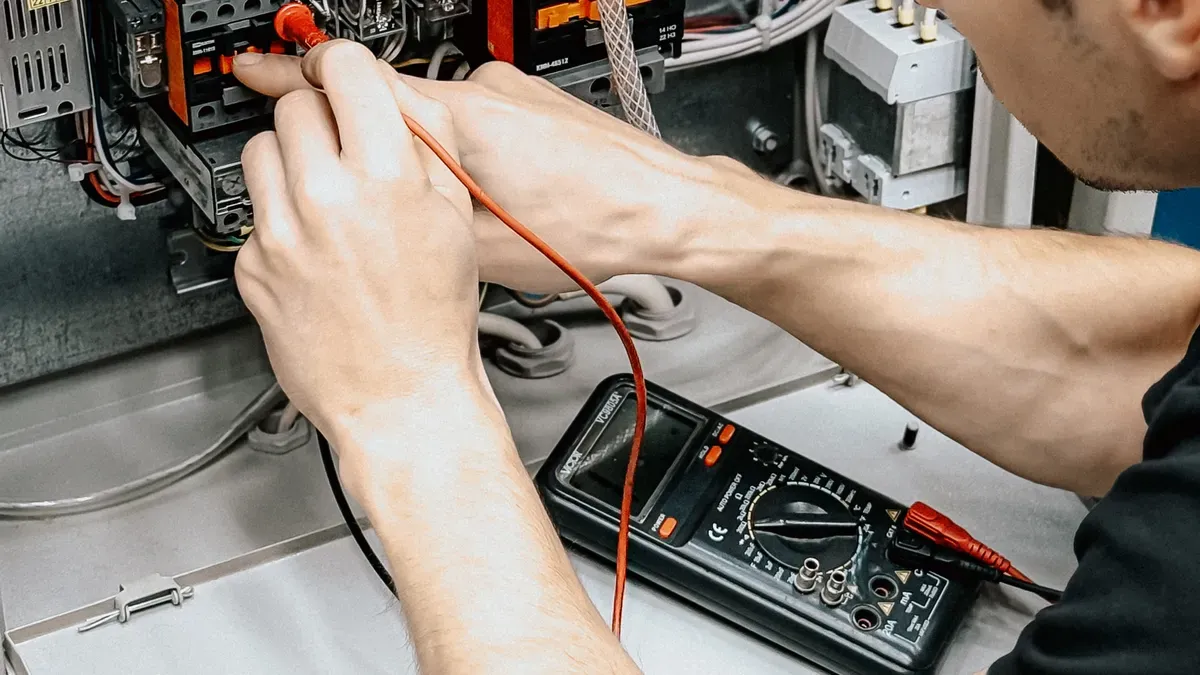
Step-by-Step Testing
You can find relay problems early by using a simple test. First, locate the relay in your system. Check the wiring diagram or manual to find coil and contact terminals. Always turn off the power before you start to stay safe.
Here is a step-by-step guide for testing a relay:
Find the relay pins. Look for coil, common (COM), normally open (NO), and normally closed (NC) terminals.
Use a digital multimeter to check coil resistance. Put the probes on the coil terminals. A good relay shows steady resistance. If you see zero or infinite resistance, the coil may be broken.
Test the contacts. Switch the relay by hand or use the rated voltage on the coil. Use the multimeter to check if COM connects to NO or NC. The reading should change when the relay switches.
If you think the relay is bad, get another relay with the same part number and pin layout. Swap them and test the circuit again. If the problem is gone, the first relay was probably bad.
Tip: Use the right tools and handle relays gently so you do not cause more damage.
When to Repair or Replace
After testing, you must decide to fix or replace the relay. Watch for these signs:
Burnt smell or melted parts
Contacts that stick or will not move
Coil with no resistance or very high resistance
Relay fails the swap test
If you see any of these signs, it is best to replace the relay. Small problems like dirty contacts can be cleaned and reused. Most times, replacing the relay keeps your system safe and reliable. Acting fast helps you avoid bigger problems from relay failure.
|
Symptom |
Action |
|---|---|
|
Burnt or melted parts |
Replace |
|
Sticking contacts |
Replace |
|
Dirty contacts |
Clean/Replace |
|
Coil damage |
Replace |
You can stop relay failure by doing a few easy things. Test and check relays often to keep them working well. Use extra relays and watch heat to stop overheating. Teach workers to find problems early. Pick new relays with smart parts for better use. Always follow safety rules, like not using too much voltage and keeping relays safe from shaking.
Keep learning about new relay tech and stay ready. Good care helps relays work right every time.
|
Precaution |
Description |
|---|---|
|
Avoid overvoltage |
Stops relays from breaking or not working |
|
Protect against vibration |
Makes relay failure less likely |
|
Train staff |
Lets people find problems sooner |
FAQ
How often should you inspect relays?
You should inspect relays at least once a year. If you use relays in harsh environments, check them every six months. Regular inspections help you spot early signs of failure.
What tools help you test relay health?
You can use a digital multimeter to check coil resistance and contact function. Thermal scanners help you find hot spots. These tools make relay testing easy and accurate.
Can you clean relay contacts yourself?
Yes, you can clean relay contacts with a soft brush or contact cleaner. Make sure you turn off the power first. Cleaning removes dirt and improves relay performance.
What signs show a relay needs replacement?
|
Symptom |
Action |
|---|---|
|
Burnt smell |
Replace |
|
Sticking contacts |
Replace |
|
No resistance |
Replace |
If you see these signs, replace the relay to keep your system safe.