

You can stop relay chattering by looking for dirt, corrosion, or loose wires. Replace any broken parts you find. Relay chattering happens when the relay quickly opens and closes. This can cause trouble in electrical systems. It affects safety and reliability. This is important where timing matters, like in medical or car equipment. Chattering usually happens because parts get old, wiring is bad, or voltage changes. If you do not fix it, your devices may not work right. They could even get damaged.
Key Takeaways
Relay chattering makes fast clicking sounds or lights flicker. Watch for these signs to find problems early.
Regular maintenance is important. Look at and clean relay contacts once a year. This helps stop chattering and keeps things working well.
Check the voltage at the relay coil when it is running. The voltage should stay steady to stop chattering and keep your devices safe.
Use diodes and capacitors to lower electrical noise and keep voltage steady. These parts can help the relay work much better.
If cleaning and checking voltage do not fix chattering, you may need to replace bad parts. Always be safe and ask a technician for help if you need it.
Relay Chattering Symptoms and Identification
Common Signs of Chattering
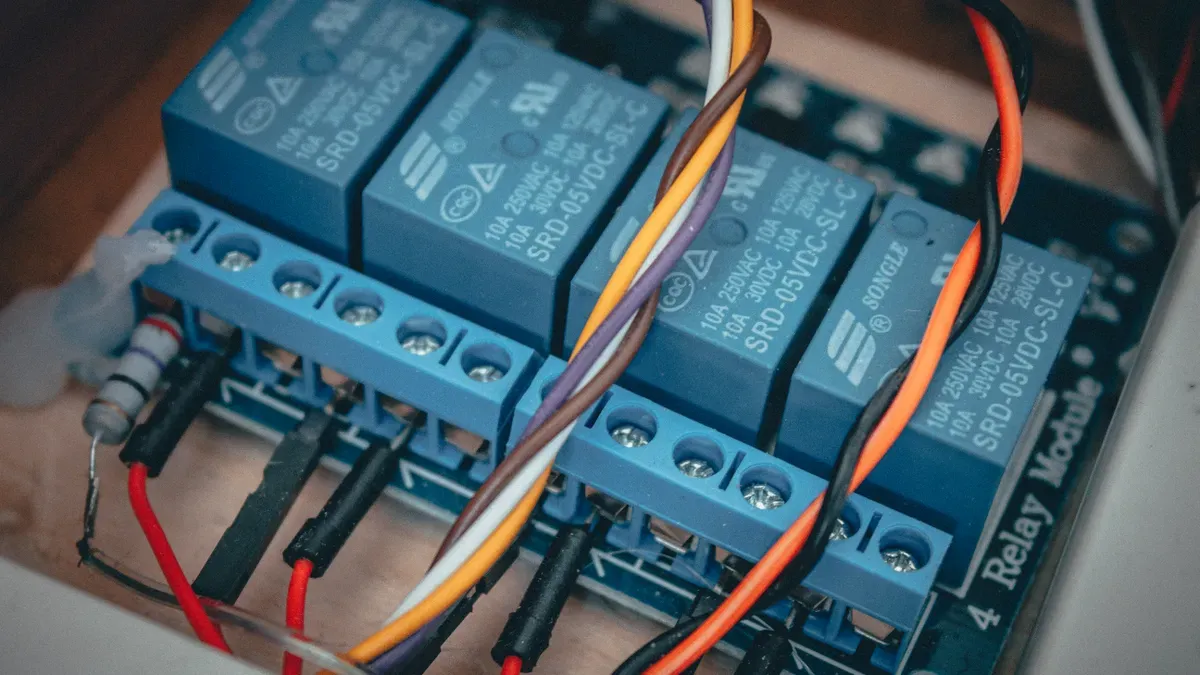
You can tell if relay chattering is happening by listening for fast clicking or buzzing. The relay might open and close many times very quickly. Sometimes, lights or screens will flicker. Motors can start and stop over and over. Devices may not turn on or off when you want them to. These things mean the relay is not working right. You might see warning lights on your car's dashboard. In home machines, the device might act weird or not listen to controls.
Tip: Listen for strange sounds or notice sudden changes in how your equipment works. These hints can help you find problems early.
How to Confirm Relay Issues
There are a few ways to check if a relay is chattering. The best way is to test the relay outside the circuit. This gives you the clearest answer. You can also test the relay while it is still in the system. But other parts might change your results. Here is a table that shows two common ways to test:
|
Testing Method |
Description |
Accuracy Level |
|---|---|---|
|
Bench Testing |
Relay is taken out of the circuit and checked alone. |
Most accurate results |
|
In-Circuit Testing |
Relay is tested while still in place but turned off. |
May be affected by other parts |
If you mix up relay chattering with other electrical problems, you might waste time and money. You could change parts that are not broken. This can make you feel upset. You might also miss easy fixes that would make your system work again. Many electrical problems look the same, so you need to test carefully.
Getting relay chattering wrong can cause repairs you do not need.
It wastes time for people fixing things.
Car owners might get annoyed if the problem is not found.
Missing easy fixes is common because relay problems can look like bigger issues.
You should always make sure you know the problem before you start fixing things. This saves time and helps you fix what is really wrong.
Main Causes of Relay Chattering
Electrical Feedback and Noise
Relay chattering can happen when electrical feedback or noise gets into your system. Big machines like motors can send signals back through the wires. These signals can confuse the relay and make it open and close fast. Long wires or bad grounding can make this problem worse. Electrical noise can come from other machines, radio waves, or even lightning. You should look for loose wires and check that all connections are tight. Using shielded cables and good grounding can help lower noise. Sometimes, putting a small capacitor across the relay coil can block these signals.
Tip: Try to keep wires short and away from noisy machines to stop electrical feedback.
Mechanical Wear and Vibration
Mechanical wear is a main reason for relay chattering, especially if you use relays a lot. Every time the relay switches, the contacts can bounce and make sparks. Over time, this bouncing wears out the contacts faster. You might see small holes or even melted spots on the contacts, which means the relay will not work right. Noise from bouncing contacts can also move through the system and cause more problems.
Sparks from bouncing contacts make the relay break faster.
Worn contacts can stick together or get holes, so you need to change them more often.
Noise from bouncing contacts can move through the ground and hurt your system.
Vibration from other machines can also shake the relay and make the contacts move when they should not. If you put the relay on a shaky place, it will wear out faster.
Voltage and Power Problems
Relay chattering often happens when the voltage or power is not steady. If the voltage drops too low, the relay coil cannot keep the contacts closed. The relay may start to open and close quickly. Sudden changes in power can also cause this problem. You should check your power supply with a meter to make sure it stays in the right range. Old or weak batteries, bad power adapters, or circuits with too much load can all cause voltage problems.
The environment is also important. High humidity can make relay contacts rusty, which makes them work worse. High heat can make the parts inside the relay get bigger. This makes the contacts harder to close and creates more heat, which makes the problem worse.
|
Environmental Factor |
Impact on Relay Chattering |
|---|---|
|
High Humidity |
Causes rust and makes contact resistance go up. |
|
High Temperature |
Makes parts get hot and can break insulation. |
High Line Impedance and Failing Capacitors
High line impedance means the wires or connections in your system slow down the flow of electricity. This can make the voltage drop, especially when the relay tries to turn on. If the voltage at the relay coil drops too much, the relay will chatter. Bad capacitors can also cause problems. Capacitors help keep voltage steady. If a capacitor is old or broken, it cannot do its job. You may see more voltage changes, which leads to relay chattering.
You should check for old or broken capacitors and change them if needed. Make sure your wires are thick enough and not too long. This helps keep the impedance low and the voltage steady.
Troubleshooting and Fixing Relay Chattering
Inspecting and Cleaning Contacts
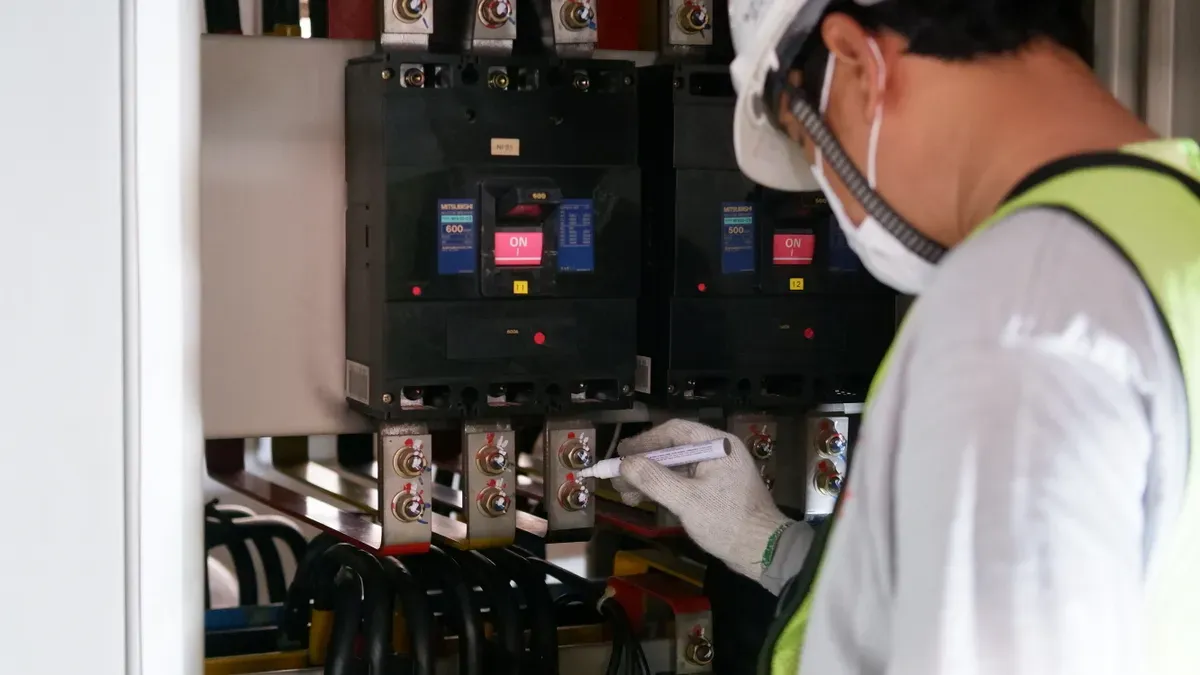
You should start by checking the relay contacts. Dirty or oxidized contacts often cause relay chattering. Follow these steps to inspect and clean them:
Open the relay's protective cover and remove it from its socket.
Carefully open the relay case so you can see the contacts.
Look at the contacts. If you see dirt or dark spots, choose a cleaning method:
Use an electronic contact cleaner spray for light dirt or oxidation.
Use a paper strip for moderate buildup.
Use fine-grit abrasive only if the contacts have heavy buildup. Be gentle to avoid damage.
After cleaning, check if the contacts look shiny and smooth.
Put the relay back together and test your device.
Here is a table of common cleaning agents you can use:
|
Cleaning Agent Type |
Description |
|---|---|
|
Electronic Contact Cleaner |
Removes oil, grease, and oxides. Good for relays and switches. |
|
Electrical Contact Cleaner |
Cleans metal contacts quickly. Works for relays, motors, and generators. |
|
High Purity Electronic Cleaner |
Removes dirt and protects contacts from rust. Can spray in any direction for easy use. |
Tip: Always disconnect power before you open or clean a relay. This keeps you safe.
Checking Voltage and Power Supply
Unstable voltage can make a relay chatter. You need to check the voltage at the relay coil during real use. Use a voltmeter and follow these steps:
|
Step |
Description |
|---|---|
|
1 |
Measure coil voltage while the relay is working under load. |
|
2 |
Connect the voltmeter right across the coil terminals. |
|
3 |
Record voltage at three times: when the relay turns on, stays on, and during chattering. |
If the voltage is 85% or more of the relay's rated value at all times, the power is good.
If the voltage is between 80% and 85%, you might have a problem.
If the voltage drops below 80%, the relay will not hold and will chatter.
You should also make sure the power supply stays steady. If you see the voltage drop or jump, check for old batteries, weak adapters, or overloaded circuits.
Note: Always measure voltage when the relay is working, not just when the system is off.
Reducing Electrical Noise
Electrical noise can cause relay chattering. You can lower noise in these ways:
Add filters to stop high-frequency noise from getting into the relay circuit.
Place decoupling capacitors close to power and ground pins to block noise.
Install EMI filters at the entry and exit points of your system.
Use shields, like metal covers or Faraday cages, to keep noise out.
Shield all cables that go into or out of the relay box.
Make sure all shields connect to a good ground.
Tip: Keep relay wires short and away from noisy machines to help reduce electrical noise.
Replacing Faulty Components
If cleaning and checking voltage do not fix relay chattering, you may need to replace parts. Look for these problems:
Contacts that stay dirty or pitted after cleaning.
Coils that do not get enough voltage even with a good power supply.
Old or leaking capacitors near the relay.
Wires that look thin, loose, or damaged.
Replace any part that does not work right. Use new, high-quality relays and capacitors. Make sure all connections are tight and clean.
If you still have problems, ask a trained technician for help. Safety comes first.
Preventing Relay Chattering
Regular Maintenance Tips
You can avoid many relay problems with regular checks. Look at your relays often to find trouble early. Use this table to help plan when to check:
|
Relay Type |
Recommended Testing Interval |
Additional Notes |
|---|---|---|
|
Electromechanical Relays |
Once a year |
Do short tests often to stop parts from getting stuck. |
|
Digital Relays |
Every three years |
Use UPS and clean panels to keep dust away. |
|
General Recommendation |
Test sooner than suggested, like every two years |
Always check by looking, moving, and testing with tools. |
During each check, look for dirt, rust, or loose wires. Clean the relay contacts and tighten any loose parts. If you notice relay chattering, fix it right away.
Electricians use special ways to find chattering early:
Make the relay chatter in a lab by setting it up as needed.
Do a shock or earthquake test to see how it reacts.
Watch for voltage changes when contacts are open or closed.
Use vibration tools to find and measure chattering.
Checking relays often helps you find problems before they get worse.
Using Diodes and Capacitors
Diodes and capacitors can help protect relays from noise. These parts keep voltage steady and block bad signals.
Flyback diodes cut down noise and stop flyback voltages. This helps the relay work well.
If you hear buzzing in half-wave circuits, the relay coil may not get steady DC voltage. This can happen if a diode or capacitor is broken.
Put these parts close to the relay coil for best results. Change any old or broken diodes and capacitors as soon as you find them.
Even a small diode can help your relay last much longer.
Improving Installation and Mounting
Good setup helps stop relay chattering. You should:
Make sure the power matches what the relay needs.
Tighten all wires so nothing is loose.
Pick the right relay for your job.
Mount relays on strong panels or inside boxes to stop shaking.
Leave space between relays and hot parts.
These steps help relays last longer and work better. Setting up relays the right way can stop many problems before they start.
Careful setup now can save you time and money later.
You can stop relay chattering if you do these things:
Make sure coil voltage stays steady.
Use good wires and tighten all connections.
Put a decoupling capacitor at the coil.
Add a flyback diode for inductive loads.
Get a stronger power supply for startup currents.
Acting fast stops parts from wearing out and keeps your equipment safe. Checking your relays often helps you find problems early. If you notice chattering, call an expert for help. Being careful protects your devices and saves you money.
FAQ
What causes relay chattering most often?
You usually see relay chattering when the voltage drops or electrical noise enters the circuit. Dirty contacts and worn-out parts also cause this problem. Always check for these issues first.
Can relay chattering damage my equipment?
Yes, relay chattering can harm your devices. It makes contacts wear out faster. It can also cause motors or lights to turn on and off too quickly. Fix chattering soon to protect your equipment.
How do I know if my relay needs replacing?
You should replace the relay if cleaning does not help, the contacts look burned, or the coil does not get enough voltage. If the relay keeps chattering after you check everything, get a new one.
Is there a quick way to stop relay chattering?
Check for loose wires.
Clean the contacts.
Add a flyback diode.
Make sure the power supply is strong.
These steps often stop chattering right away.