


An electric vehicle power relay acts like a gatekeeper in your car. You can think of it as a strong switch that controls the high-voltage power moving between the battery and the motor. This relay protects you by stopping dangerous electrical flow during a problem. It also helps your car charge safely and run smoothly. When you drive or plug in your vehicle, this small part keeps you safe and your car working well.
Key Takeaways
- Electric vehicle power relays work like strong switches. They safely control high-voltage power between the battery and motor. These relays keep you and your car safe. They quickly stop electricity if there is a problem, like a short circuit or overheating. Power relays help with safe charging. They disconnect power if something goes wrong, and they follow strict safety rules. New relay designs use better materials and smart features. This makes cars lighter, safer, and saves more energy. Solid-state relays last longer and switch faster than mechanical ones. This helps make modern electric vehicles safer and work better.
Electric Vehicle Power Relay Basics
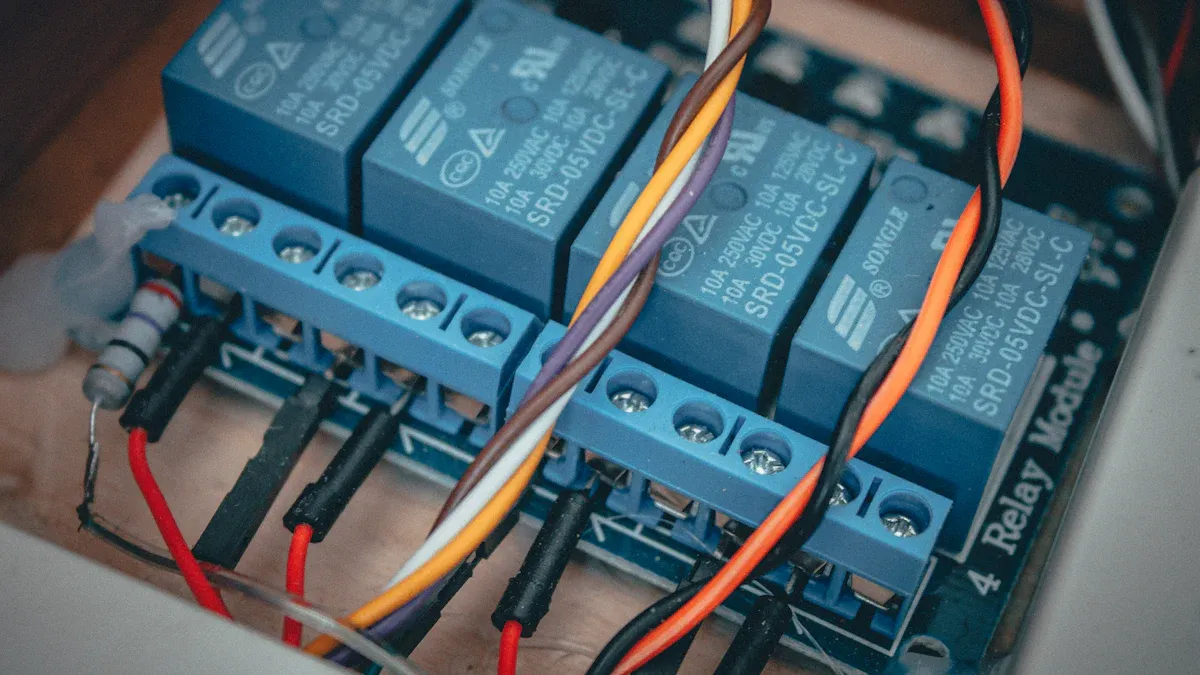
What It Is
The electric vehicle power relay sits between the battery and inverter. It works like a high-voltage switch for the battery and motor.
- Most relays use electromagnetic parts. Inside, there is a coil, armature, contacts, spring, and a case.
- Some relays use solid-state parts. These use semiconductors instead of moving pieces.
- The relay lets the control unit handle high currents safely.
- It keeps high currents away from sensitive electronics.
Note: The electric vehicle power relay is very important for safety and good performance. It lets the car's computer turn high-power circuits on and off without danger.
How It Works
When you start your car or charge it, the electric vehicle power relay gets a signal from the battery management system. This signal tells the relay to close its contacts and let high-voltage electricity move.
- Solid-state relays switch power faster than mechanical ones. They last longer because they do not have moving parts.
- These relays keep you safe by keeping control signals away from high-voltage circuits.
- Built-in checks and safety features help the relay find problems fast. If something is wrong, the relay can turn off power in less than 50 microseconds.
Modern designs are small and safe.
- Special contact materials and arc quenching systems stop sparks when the relay opens or closes.
- Strong insulation and heat control keep the relay cool and working well, even when used a lot.
- Many relays now have smart features like real-time checks and fault finding.
You get these benefits every time you drive or charge your electric vehicle. The relay's small size saves space. Its fast switching and spark control keep your car safe and working well.
Key Functions in EV Systems
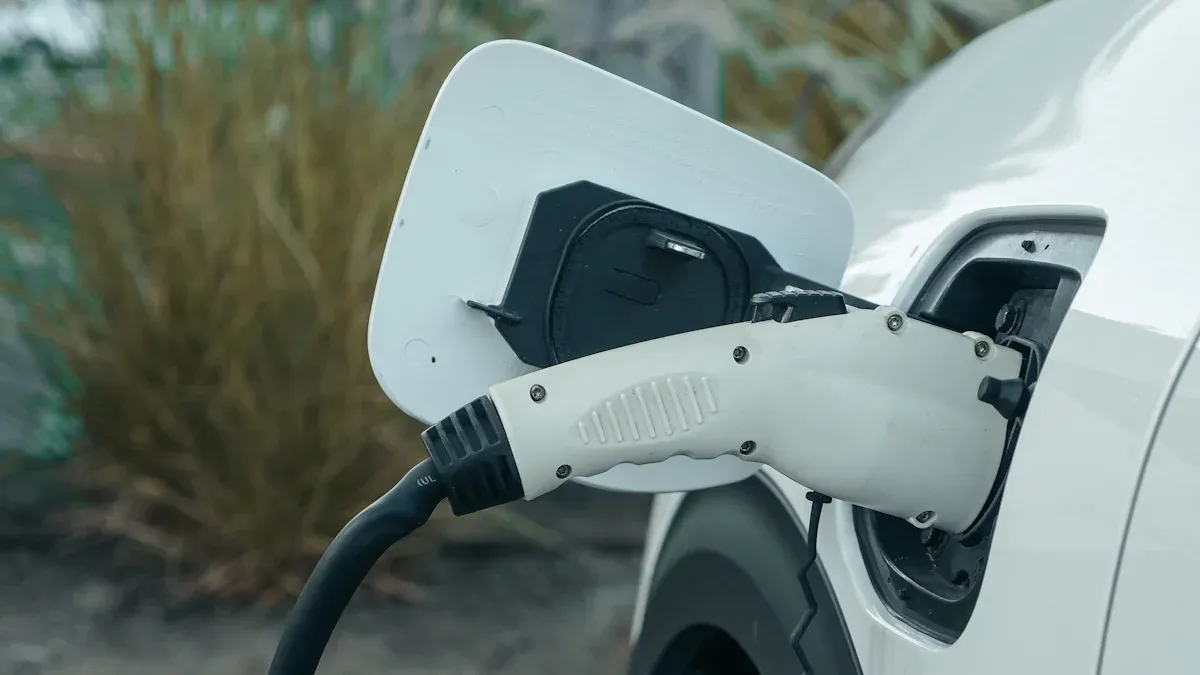
Battery Connection and Protection
The electric vehicle power relay links the battery to your car's power system. It works like a gate that opens and closes for high-voltage electricity. When you start your car, the relay closes so power can move safely. If your car finds a problem, the relay opens and stops the power. This fast action keeps you and your car safe from electrical problems. The relay also protects sensitive electronics by stopping high currents from reaching them.
Charging Control
Charging your electric vehicle needs careful control. The power relay is very important for this. It helps control how electricity moves when you charge your car. If something goes wrong, it disconnects the battery. Here is how the relay keeps you safe during charging problems:
- Residual Current Monitors in charging cables and stations look for AC and DC fault currents.
- The system uses special sensors to check for differences between live and neutral wires.
- If it finds a problem, the relay quickly disconnects the circuit to stop shocks or damage.
- The relay follows strict safety rules like IEC 62752 and UL 2231 to catch even small faults.
- Extra safety steps include checking temperature and shutting down in a controlled way.
These actions keep you safe every time you plug in your car.
Power Management
The electric vehicle power relay helps control how your car uses power. It turns high-voltage circuits on and off when needed. This helps your car run well and saves energy. You can see some common ratings for these relays in the table below:
| Parameter | Typical Values / Explanation |
|---|---|
| Maximum Switching Voltage | Up to 250 V |
| Maximum Switch Current | Around 2 A |
| Power Rating | 60 W relay; lower current at high voltage (e.g., 240 mA at 250 V) |
| Pulsed Carry Current | Up to 6 A for short bursts (200 µs) |
| Relay Types | Electromechanical (higher power, shorter life); Reed (longer life) |
| Solid State Relays | Handle higher voltages/currents, fast switching, no arcing |
You get these benefits every time you drive. The relay helps keep your car safe, working well, and using energy wisely.
Safety and Reliability
Preventing Hazards
You count on the electric vehicle power relay to keep you safe. It works every time you drive or charge your car. The relay acts quickly if your car finds a problem. If there is a short circuit or too much heat, the relay opens. This stops high-voltage electricity from moving. Fast action helps stop fires, shocks, and damage to electronics.
Tip: Always update your car's software. New updates help find problems faster and use the relay when needed.
Failure Modes
Relays can break like any other part. Knowing common problems helps you see why checks are important. Here are some things that can go wrong with electric vehicle power relays:
- Contacts might get stuck open or closed.
- Contacts could fuse or weld together.
- The coil inside might burn out or break.
- Contacts may show burning, wear, or oxidation.
- Mechanical parts, like the relay beam, can bend.
Sometimes, a relay shorts between contacts or will not open. You can find some problems by checking unused contacts or the coil's current. Force-guided relays help stop dangerous shorts. They make sure contacts move together safely.
Reliability Features
Manufacturers want you to trust the electric vehicle power relay. They use special testers to check each relay before it goes in your car. These testers copy real problems, like power surges or voltage changes.
- Tests check if the relay clicks, measure coil resistance, and make sure contacts work.
- These tests help find contact wear or coil failure early.
- Hard tests make sure the relay will last and work when needed.
You get safer drives because of these steps. Your car's relay is always ready to protect you, even in tough times.
Innovations and Trends
Advanced Designs
Every year, electric vehicle power relays get new designs. These changes make your car safer and lighter. They also help your car use less energy. Manufacturers use new materials and better building methods. For example, CelLink's flexible circuit wiring harnesses make relays smaller and lighter. This makes your car weigh less and saves energy. Lighter wiring lets heat leave faster.
This keeps your car cool and working well. New materials like silicon carbide (SiC) wafers help too. SiC lets power electronics work at higher voltages. This means your car can charge faster. You can also drive farther on one charge. Some drivers get up to 10% more range with SiC parts. Companies now make these parts in big factories. This makes them cheaper and easier to buy.
Note: These new designs make electric vehicles more reliable and affordable for you.
Here are some ways new materials and building help your car:
- Flexible wiring harnesses lower weight and help heat escape.
- SiC wafers raise voltage and help your car go farther.
- Making more parts at once lowers costs and makes quality better.
- Better designs mean relays are safer and work better.
Solid-State vs. Electromechanical
You might wonder why some cars use solid-state relays (SSRs) instead of electromechanical relays (EMRs). SSRs switch power much faster. They also need less care. This is important for electric vehicles. Fast and reliable switching helps keep you safe. Now, most people want SSRs because:
- SSRs last longer and need less fixing.
- New cars and driver-assist systems need small, strong relays.
- Safety rules make companies use the best parts.
- SSRs help save energy and meet government rules.
- More people want smart, energy-saving cars.
Tip: As electric vehicles get smarter, SSRs will help keep your car safe and efficient.
You see these changes in new cars, especially in China and India. Electric vehicles are growing fast there. These changes give you a safer, smarter, and better car every time you drive.
You count on the electric vehicle power relay to keep you safe. It helps your car charge fast and work well every day. This part controls high-voltage power and keeps problems away from other parts. It also lets your car use new things like fast charging and smart checks.
- Relays work in hard places, so your car stays strong.
- New relays can watch themselves and last longer.
| Future Trends | What They Mean for You |
|---|---|
| Miniaturization | Cars get lighter and have more room |
| Smart Features | Problems are found early and cost less to fix |
| Higher Voltage | Charging is quicker and cars run better |
Keep learning about relay technology so your electric vehicle works its best.
FAQ
What happens if the power relay fails in my electric vehicle?
If the relay stops working, your car might not start. It also might not charge. You could see warning lights on your dashboard. You should call a service center right away. Acting fast keeps you and your car safe.
How do I know if my EV relay needs replacement?
You might notice charging is slow. Your car may have trouble starting. You could see error messages on the dashboard. Listen for strange clicking noises. If you notice these things, ask your mechanic to check your car.
Can I replace an EV power relay myself?
⚠️ Do not try to change the relay by yourself. High-voltage parts are very dangerous. Only a trained technician should fix or replace the relay. This keeps you safe.
Do all electric vehicles use the same type of power relay?
No, not every car uses the same relay. Some cars have electromechanical relays. Others use solid-state relays. The kind your car uses depends on its design and power needs.