


When a bipolar switch replaces a unipolar switch, systems perform more effectively. A bipolar switch allows electricity to flow in two directions, whereas a unipolar switch permits flow in only one direction.
This two-way flow enhances their usefulness and efficiency across various industries. Additionally, a bipolar switch replaces a unipolar switch to improve safety by preventing overheating and offering better control over electricity. These advantages make bipolar switches a preferred choice for modern systems, as they are both reliable and adaptable to diverse needs.
Key Takeaways
Bipolar switches let electricity move both ways, making systems work better.
Using bipolar switches makes things safer by fully cutting off circuits, stopping problems like overheating.
Bipolar switches save energy, lowering power bills and improving how devices work.
Fields like cars, green energy, and medicine gain a lot from bipolar switches.
Switching to bipolar switches might need new equipment and learning, but the future benefits are worth it.
Defining Unipolar and Bipolar Switches
Characteristics of Unipolar Switches
Unipolar switches let electricity flow in just one direction. This simple design makes them easy to use and control. They are often found in systems needing basic on/off functions. For example, stepper motors use them, with each coil having its own switch.
These switches need more energy to work because of higher forming currents. They use two coils per phase, which makes wiring more complex. However, this setup simplifies control since each coil works separately.
Here's a summary of their features:
|
Characteristic |
Description |
|---|---|
|
Voltage Ratings |
Devices range from 600 V to 1700 V, with potential for up to 10 kV and beyond. |
|
Resistance |
SiC devices have low resistance, making them good for power use. |
|
Applications |
Used in cars, solar inverters, industrial machines, and more. |
|
Material Properties |
SiC handles stronger electric fields than silicon, boosting performance. |
These qualities make unipolar switches dependable for simple tasks without advanced control needs.
Characteristics of Bipolar Switches
Bipolar switches allow electricity to flow in both directions. This makes them more flexible and efficient. They are used in systems needing precise control, like motor drives or electric water heaters.
Unlike unipolar switches, bipolar ones need less energy to activate. They use one coil per phase, saving copper and making systems smaller. However, controlling them is harder and often needs multiple transistors, like H-bridges, to manage current.
Here's a comparison of their features:
|
Specification |
Unipolar Switches |
Bipolar Switches |
|---|---|---|
|
Current Flow |
Flows in one direction only |
Flows in both directions |
|
Coil Configuration |
Needs two coils per phase |
Needs one coil per phase |
|
Control Method |
One switch per coil |
Needs multiple transistors (e.g., H-bridges) |
|
Advantages |
Easier control system |
Saves copper and space |
|
Applications |
Common in stepper motors |
Used in motor drives and heaters |
These features explain why bipolar switches are chosen for modern systems.
Functional Differences Between the Two
The main difference is how they handle electricity. Unipolar switches allow current in one direction, while bipolar switches let it flow both ways. This affects how they work and where they are used.
For example, unipolar switches interrupt one wire, usually the phase wire. Bipolar switches can interrupt both phase and neutral wires, making them safer. This is why bipolar switches are great for systems needing full disconnection, like electric water heaters.
Here's a comparison of their functions:
|
Feature |
Unipolar Switches |
Bipolar Switches |
|---|---|---|
|
Wire Interruption |
Interrupts one wire (usually phase) |
Interrupts both phase and neutral wires |
|
Safety Level |
Lower safety in some cases |
Higher safety, ideal for full disconnection |
|
Common Applications |
Basic on/off control |
Systems needing full cut-off |
Studies show unipolar switches don't depend on polarity, but bipolar ones do. This gives bipolar switches better control over electricity, which is important for advanced systems.
These differences show why bipolar switches are better for systems needing more safety, efficiency, and flexibility.
Why Bipolar Switch Replaces Unipolar Switch
Technical Advantages of Bipolar Switches
Bipolar switches have clear technical benefits over unipolar ones. They work with two polarities, allowing faster switching and better energy use. This two-way operation makes them stable, even in changing conditions.
Engineering studies show bipolar switches perform better:
|
Metric |
Unipolar Switches |
Bipolar Switches |
|---|---|---|
|
Switching Speed |
Slower due to one-way operation |
Faster with two-way operation |
|
Operation Consumption |
Higher due to less efficiency |
Lower with better energy use |
|
Stability |
Less stable with single polarity |
More stable with dual polarity |
Bipolar switches also control voltage well and handle more current. They lose less energy because of low voltage drops, making them great for modern systems.
Broader Applications Enabled by Bipolar Switches
Bipolar switches are used in many industries because they are versatile. You can find them in electronics, cars, factories, phones, and healthcare tools. They are important for tasks needing high speed and energy savings.
For example, bipolar junction transistors (BJTs), a type of bipolar switch, are used in:
Cell phones
Radios
TVs
Computers
Speakers
Factory machines
These examples show how bipolar switches improve how systems work. As people want more energy-efficient devices, bipolar switches are becoming more popular for reliable systems.
Efficiency and Safety Improvements
Switching to bipolar switches makes systems safer and more efficient. They use less energy, lowering power costs. They can cut off both wires, reducing risks like overheating or electrical problems.
Bipolar switches handle high currents and voltages without losing performance. This makes them safer for important systems like water heaters and motors. Their advanced controls manage electricity better, lowering accident risks.
Using bipolar switches helps save energy and improve safety. This is why they are a top choice for modern systems.
Challenges in Replacing Unipolar Switches
System Compatibility Issues
Switching to bipolar switches can cause system problems. Many systems are built for unipolar switches only. Adding bipolar switches may need big changes to make them work.
Old systems might not handle two-way current flow. This can cause errors or make the system less efficient. Software may also need updates since unipolar switch controls differ from bipolar switch controls.
Tip: Check your system's setup before switching. An expert can spot problems and suggest fixes.
Cost and Resource Considerations
Replacing unipolar switches with bipolar switches can cost a lot. Bipolar switches are pricier because of their advanced design. You might also need new parts like wiring or control systems
.
Labor costs can rise too. Technicians may spend more time installing and testing. If major changes are needed, the total cost goes up.
|
Expense Type |
Possible Costs |
|---|---|
|
Switches |
Higher price for advanced design |
|
System Upgrades |
New wiring, control systems, etc. |
|
Labor |
More time for installation and testing |
Though expensive at first, better safety and efficiency make it worth it later.
Training and Knowledge Gaps
Using bipolar switches needs special skills. Teams used to unipolar switches may need training to learn the new system. This can slow down the change process.
Finding technicians skilled in bipolar switches might be hard. This can delay work or lead to mistakes during setup.
Note: Hands-on training and guides can help teams learn faster.
Solving these problems makes switching to bipolar switches easier and more effective.
Practical Examples of Bipolar Switch Adoption
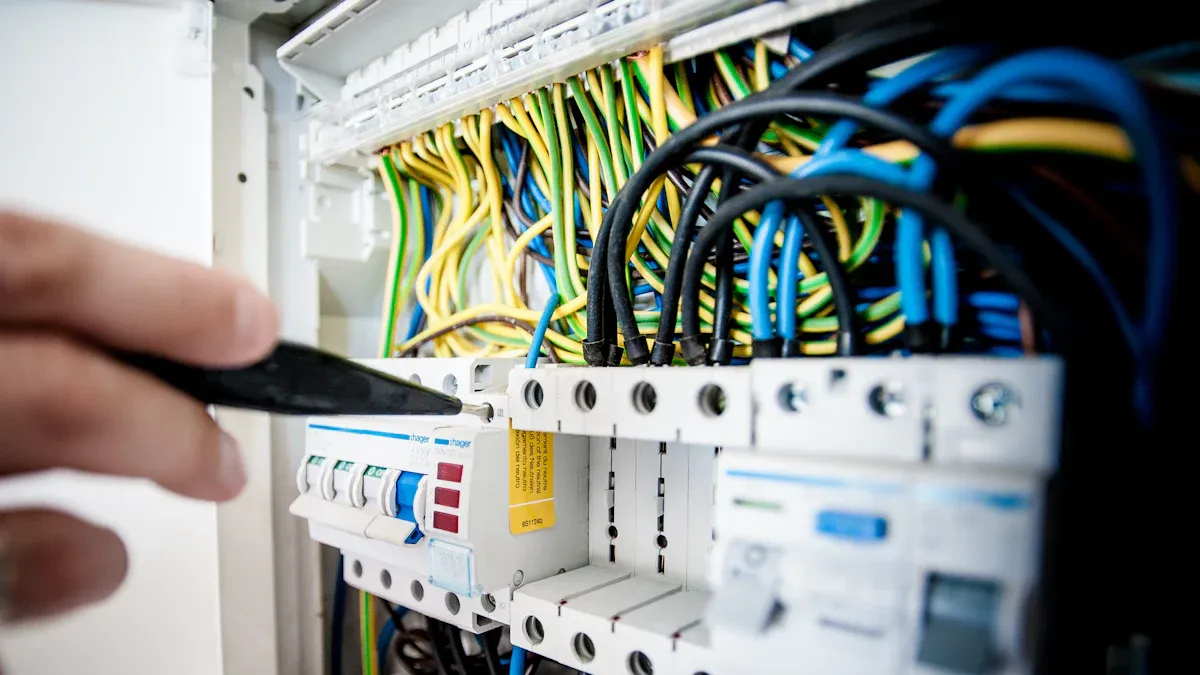
Image Source: pexels
Industries Leading the Transition
Many industries now use bipolar switches for safety and efficiency. These switches are changing how systems work in important areas. Their impact can be seen in:
Automotive: Electric cars use bipolar switches to manage energy better. They help motors run smoothly and improve battery life.
Renewable Energy: Solar and wind systems use them to handle high voltages. This makes converting energy easier and more effective.
Consumer Electronics: Devices like phones and laptops charge faster with these switches. They also waste less energy during use.
Healthcare: Medical tools, like imaging machines, rely on them for accuracy. They make equipment more reliable and safer to use.
Industrial Automation: Factories use them in robots and machines. They boost performance and reduce breakdowns.
These industries show how bipolar switches improve systems. Their success proves their value in many fields.
Case Studies of Successful Implementations
Real-life examples show why bipolar switches are useful. One example is their role in electric cars. Tesla uses them to make power systems more efficient. This helps their cars go farther on a single charge.
Another example is from solar energy. A California solar farm switched to bipolar switches. This change made energy conversion 20% more efficient. It also lowered the cost of maintenance.
In healthcare, MRI machines now use bipolar switches. These switches control magnetic fields better. This improves image quality and reduces equipment problems.
These examples prove how bipolar switches solve real issues. They show how systems become safer, stronger, and more efficient with these switches.
When bipolar switches take the place of unipolar ones, systems become safer, more efficient, and flexible. These switches let electricity flow in two directions, making them perfect for systems needing better control and energy savings.
They also improve safety by cutting off circuits completely, which helps prevent overheating. Over time, they save energy and make systems work more reliably. Think about how this change could help in areas like factories, solar power, or gadgets. Switching to bipolar switches might greatly improve your systems.
FAQ
Why are bipolar switches safer than unipolar switches?
Bipolar switches disconnect both phase and neutral wires completely. This lowers risks like overheating or electrical problems. They also handle high currents and voltages better, making them safer for important systems.
Which industries use bipolar switches the most?
Industries like cars, solar energy, healthcare, and electronics benefit greatly. Bipolar switches save energy, improve reliability, and allow precise control. They are perfect for electric cars, solar panels, medical tools, and factory machines.
What problems can happen when switching to bipolar switches?
Older systems may not work well with bipolar switches. Upgrades can cost more, and teams might need special training. Careful planning and expert advice can help solve these issues.
What are the main benefits of bipolar switches?
Bipolar switches switch faster, use less energy, and stay stable. They work with two polarities, making them great for systems needing better energy control.
What should you check before replacing unipolar switches?
Look at your system's setup, plan for upgrade costs, and train your team. Experts can help find problems and suggest fixes for a smoother change.