

In the realm of electrical control systems, a 3A DC Solid State Relay (SSR) stands as a crucial component, facilitating seamless switching operations with remarkable efficiency and reliability. However, like any electronic device, SS Rs are vulnerable to over - current situations that can potentially lead to premature failure, reduced performance, and even pose safety risks. As a trusted supplier of 3A DC SS Rs, I am committed to sharing insights on how to protect these valuable components from over - current scenarios.
Understanding the Risks of Over - Current
Over - current occurs when the current flowing through the SSR exceeds its rated capacity of 3A. This can be caused by several factors, such as short circuits in the load, power supply fluctuations, or incorrect wiring. When an over - current situation arises, the excessive heat generated can damage the internal semiconductor components of the SSR, leading to a loss of its switching functionality. Moreover, the over - heating can also cause the encapsulation material to degrade, exposing the delicate components to environmental factors and further exacerbating the problem.
Over - Current Protection Mechanisms
1. Fuses
Fuses are one of the most common and effective ways to protect a 3A DC SSR from over - current. A fuse is a sacrificial device that blows when the current passing through it exceeds a certain value, interrupting the circuit and preventing damage to the SSR. When selecting a fuse for a 3A DC SSR, it is essential to choose one with a rated current slightly higher than the normal operating current of the SSR, typically around 3.5A - 4A. This ensures that the fuse does not blow under normal operating conditions but quickly interrupts the circuit in case of an over - current event.

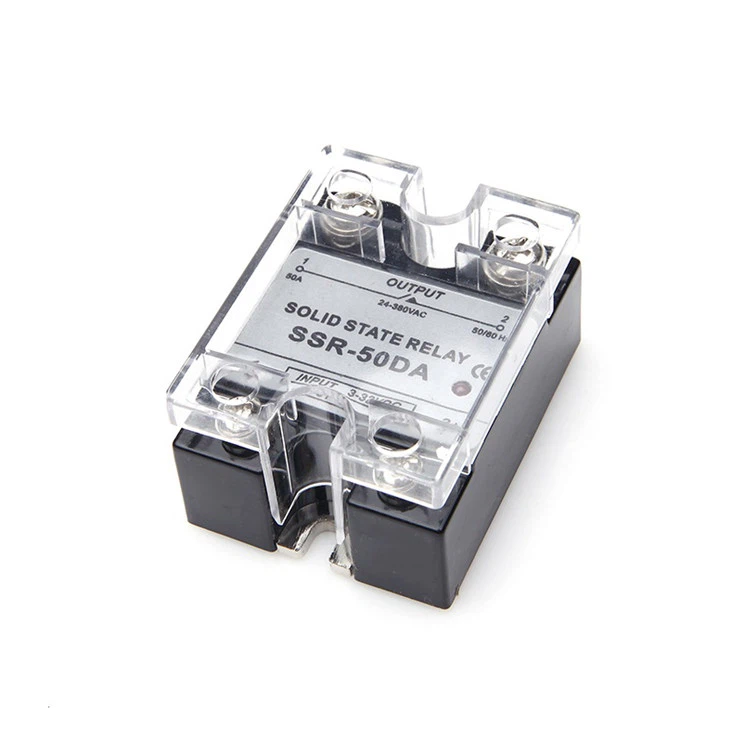
There are different types of fuses available, such as fast - acting and slow - blow fuses. Fast - acting fuses are designed to blow quickly in response to an over - current, making them suitable for protecting sensitive components like SS Rs. Slow - blow fuses, on the other hand, can withstand short - term current surges without blowing, which is useful in applications where inrush currents are common.
2. Circuit Breakers
Circuit breakers are another option for over - current protection. Unlike fuses, which need to be replaced after they blow, circuit breakers can be reset after tripping. This makes them more convenient and cost - effective in the long run, especially in applications where over - current events are frequent.
A circuit breaker for a 3A DC SSR should be selected based on its trip current rating, which should be similar to that of the fuse mentioned above. Circuit breakers can be either thermal or magnetic. Thermal circuit breakers operate based on the heating effect of the current, while magnetic circuit breakers respond to the magnetic field generated by the current.
3. Current Limiting Resistors
Current limiting resistors can be used to reduce the current flowing through the SSR in case of an over - current situation. By adding a resistor in series with the SSR, the total resistance of the circuit increases, which in turn reduces the current according to Ohm's law (I = V/R).
However, it is important to note that using current limiting resistors can also cause a voltage drop across the resistor, which may affect the performance of the load. Therefore, careful consideration should be given to the value of the resistor and the power rating to ensure that it can handle the power dissipated under normal and over - current conditions.
Proper Design and Installation
1. Load Selection
Choosing the right load for a 3A DC SSR is crucial for preventing over - current situations. The load should have a current rating that does not exceed the rated current of the SSR. Before connecting a load to the SSR, it is important to check its specifications and ensure that the maximum current draw is within the 3A limit of the SSR.
2. Wiring and Connection
Proper wiring and connection are essential for the safe and reliable operation of a 3A DC SSR. Loose or incorrect connections can cause increased resistance, which can lead to over - heating and over - current situations. It is recommended to use high - quality wires with appropriate gauge sizes to minimize resistance. Additionally, all connections should be securely tightened to prevent any arcing or short circuits.
3. Cooling and Ventilation
Over - heating is a major concern in over - current situations. Therefore, providing adequate cooling and ventilation for the SSR is important. This can be achieved by mounting the SSR on a heat sink, which helps to dissipate the heat generated during operation. The heat sink should be made of a material with good thermal conductivity, such as aluminum.
Monitoring and Maintenance
1. Current Monitoring
Regularly monitoring the current flowing through the 3A DC SSR can help detect over - current situations early. This can be done using a current meter or a monitoring device. By keeping track of the current, any abnormal increases can be detected and addressed before they cause damage to the SSR.
2. Visual Inspection
Periodic visual inspections of the SSR can also help identify potential problems. Look for signs of over - heating, such as discoloration or melting of the encapsulation material. Check the connections for any signs of corrosion or looseness. If any issues are detected, they should be addressed immediately.
Conclusion
Protecting a 3A DC Solid State Relay from over - current is a multi - faceted approach that involves proper protection mechanisms, design, installation, monitoring, and maintenance. As a supplier of high - quality 3A DC SS Rs, we understand the importance of ensuring the long - term reliability and performance of these components. By following the guidelines outlined in this article, you can effectively protect your SS Rs from over - current damage and extend their lifespan.
If you are in the market for reliable 3A DC SS Rs or need more information on how to protect them, please feel free to contact us for a purchasing discussion. Our team of experts is ready to assist you in finding the best solutions for your specific requirements.
For more information on our product range, you can visit our website and check out our Mini Solid State Relays, 24v Ssr Relay, and Small 4 - Pin Solid State Relay.
References
- “Solid State Relay Handbook,” published by a leading electrical engineering firm.
- Electrical safety standards and codes related to solid state relays.
- Technical documents provided by semiconductor manufacturers on SSR operation and protection.