

You might notice your device stays silent instead of clicking, the control panel goes dark, or you smell something burnt. Sometimes, you even see visible damage on the relay. These burnt out symptoms can help you spot trouble fast. First, look for any signs of heat or discoloration near the relay. Quick action keeps your electrical system safe.
Tip: You do not need advanced tools to start-simple checks work for most beginners.
Key Takeaways
Listen for a click when you turn on your device. If you do not hear anything, the relay coil might be burnt out.
Look for damage you can see, like color changes or a burnt smell. These signs often mean you need to replace the relay.
Use a multimeter to do a continuity test. This checks if the relay coil works. If you get no reading, the coil is probably burnt out.
Always turn off the power before you look at or change a relay. This keeps you safe from electrical shocks.
To stop burnout in the future, use voltage stabilizers. Also, check your relays often for signs of wear.
Burnt Out Symptoms of Relay Coil

No Clicking Sound
A relay should make a clicking sound when it turns on. If you do not hear a click, this is a common burnt out symptom. Silence means the coil cannot move the armature. Check the control panel if it does not light up. The relay coil might be broken. Sometimes, the coil burns out if the voltage is too high. You may also notice the relay does not work right if the electromagnet does not connect well.
Note: If the relay is silent, it often means there is a problem. Always listen for the click when you turn on your device.
Device Not Powering On
If the relay coil burns out, your device may not turn on. This is another clear burnt out symptom. You press the switch, but nothing happens. The relay cannot close the circuit. Look for rust or corrosion on the terminals. Moisture can cause corrosion and short circuits. High temperatures make the coil resist more and can cause burnout. Low temperatures make parts brittle and cause water to form.
|
Temperature Condition |
Effect on Relay Coil |
|---|---|
|
High Temperatures |
More resistance, burnout, plastic damage, higher contact resistance. |
|
Low Temperatures |
Brittle parts, water condensation, mechanical problems, short circuits. |
Burnt Smell or Visible Damage
A burnt smell is a clear burnt out symptom. You may notice a strong odor near the relay. Sometimes, you see damage like melted or discolored plastic. Burnt or corroded contacts can show up. Arcing from heavy loads can make a black carbon layer. Dust, gases, and moisture can also cause corrosion.
Burnt or corroded contacts
Black carbon layer on contacts
Melted or discolored plastic
Signs of arcing
If you see or smell these signs, act fast. Turn off the power and check the relay. These burnt out symptoms mean the coil needs to be replaced.
Diagnosis Steps
Visual Inspection
Begin by looking closely at the relay. You can find many burnt out symptoms with your eyes and nose. Watch for these signs:
Relay case changes color, like brown or black marks near the coil.
Plastic case melts, bends, or bulges. This usually means the relay got too hot.
A strong burnt smell from plastic or varnish. This can show insulation is broken.
If you see any of these signs, the relay probably needs to be replaced. Relays often fail because of too much current or voltage, old age, or things like dust and humidity. Sometimes, bad quality or getting old also causes trouble.
Tip: Always look for damage before using any tools.
Continuity Test
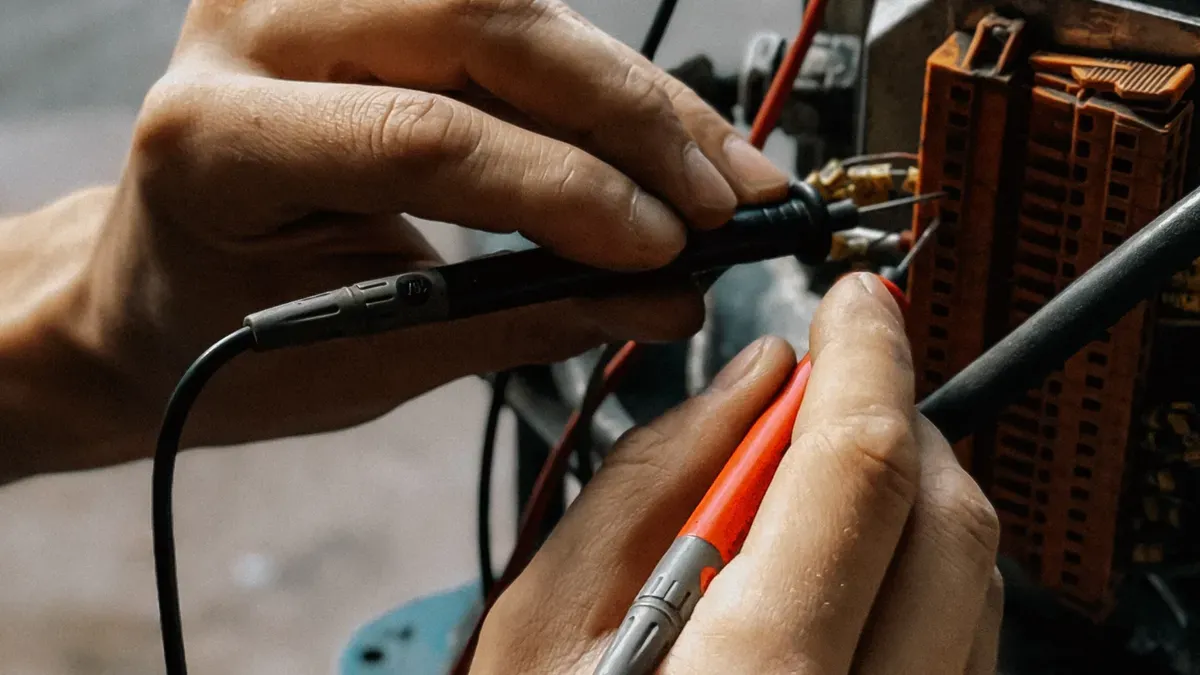
A continuity test checks if the relay coil still works. Use a multimeter set to continuity or resistance mode. Put the probes on the relay coil terminals. If the meter shows nothing or infinite resistance, the coil is burnt out. If you see a normal reading, the coil might still work.
Common reasons for a failed test are overvoltage, overcurrent, and vibration. These can hurt the coil and cause burnout. Here is how these problems affect the relay:
|
Condition |
Effect on Relay Coil Burnout |
|---|---|
|
Overvoltage |
Can break insulation and cause short circuits, leading to burnout. |
|
Overcurrent |
Too much current makes heat, which can burn out the coil. |
|
Vibration |
Lots of switching can melt resin and cause coil failure. |
Check for Heat or Odor
Touch the relay gently after turning off the power. If it feels hot, this could mean inside damage. Smell the relay for strange odors. Use this table to help you find the cause:
|
Smell Detected |
Likely Fault Source |
|---|---|
|
Bitter acrid smell |
Paper insulation burnout |
|
Burnt plastic |
Winding varnish breakdown |
If you notice these burnt out symptoms, change the relay right away. Following rules like IEC 61810-1 or UL 508 helps you use safe and good parts.
Mistakes & Misconceptions
Confusing Symptoms
Sometimes, you might think the coil is broken. But other parts can cause trouble too. Many people believe the coil is always the problem if a device fails. The real issue can be with the relay contacts. Contact failures often happen from electrical arcing or welding. These problems can look like coil burnout if you do not check well. Always test both the coil and the contacts. Use a multimeter to check for continuity. Also, check the voltage and current ratings. Too much voltage can burn out the coil. Contact faults need a different fix.
Tip: Ask yourself if the problem is with the coil or the contacts before replacing anything.
Ignoring Simple Signs
You can miss easy clues if you do not look closely. Some people skip the basics and go straight to advanced tests. Here are simple signs you should not ignore:
Discoloration, burning, or corrosion on the relay or the board
Burned, pitted, or black relay contacts
Charred traces or cracked solder mask around the relay
These signs often mean there is overcurrent or overheating. If you see them, check the relay right away. A quick look can save time and prevent mistakes.
Misusing Tools
You need to use your tools the right way. Some people set their multimeter to the wrong mode or connect the probes wrong. This can give false readings. Always read the tool's instructions before testing. Do not skip the visual inspection before using a multimeter. If you only use tools, you might miss obvious damage.
Here are some common misconceptions about relay coil burnout:
|
Misconception |
Explanation |
|---|---|
|
Coils can burn out only due to high voltage |
Coils can also burn out if the voltage is too low. Low voltage can stop the magnetic force from closing the gap. |
|
Continuous energization is always safe |
If the armature does not move, the coil can overheat and burn out. |
|
DC solenoids are prone to the same issues as AC |
DC solenoids do not have the same impedance changes as AC, so they are less likely to burn out. |
Note: Knowing these mistakes and myths helps you find relay coil problems faster and more accurately.
Next Steps After Diagnosis
Safe Removal
You must take out the burnt out relay coil safely. First, turn off all power to the device. Wait until all lights go out. Use insulated tools so you do not get shocked. Carefully pull the relay from its socket or unscrew it from the board. Do not yank or force it out. If it will not move, look for extra clips or solder points. Always keep your hands dry and wear safety gloves. Put the old relay in a safe box for throwing away.
Tip: Always check that the power is off before touching any wires or parts.
Replacement Tips
When you pick a new relay coil, make sure it fits your device. Choose a relay that works in the temperature where you will use it. The new relay should fit the socket or mounting holes. Put the relay in straight and tight so it does not get loose. Keep the area clean so dust or water does not cause problems. Here are some good tips:
Pick a relay that works in the right temperature.
Put the relay in the right way to stop overheating.
Keep the relay clean from dust and water.
After you put in the new relay, test the device. Listen for the click and see if the device turns on. If you see or smell anything weird, turn off the power and check your work.
Preventing Future Burnout
You can do things to stop your new relay coil from burning out again. Use voltage stabilizers and surge protectors to lower electrical stress. Lubricate moving parts so they move easily. Check insulation resistance and use thermal imaging to find hot spots early. Get relays with high-temperature insulation to last longer. Always follow international rules for relay installation and use.
|
Preventive Measure |
Description |
|---|---|
|
Install voltage stabilizers and surge protectors |
Lowers electrical and heat stress on the relay coil. |
|
Regularly lubricate operating mechanisms |
Helps parts move well by lowering friction. |
|
Monitor insulation resistance |
Lets you find hot spots early with infrared imaging. |
|
Upgrade to high-temperature insulation materials |
Makes the coil last longer and work better. |
|
Follow international standards |
Makes sure you use the best ways to install and use relays. |
Note: Checking your relay often and installing it well helps it last longer and keeps your device safe.
You can find burnt out relay coils by noticing silence, loss of power, or a burnt smell. Sometimes, you hear clicks that come and go or see damage before the relay stops working.
Relay problems usually begin when the coil gets weak or the contacts get rusty.
Acting early stops bigger issues from happening.
Careful checking helps you find the real problem and saves time.
|
Tool |
Description |
|---|---|
|
Digital Multimeter |
Tests resistance and checks if the relay coil and contacts work. |
|
Relay Puller Pliers |
Lets you take out relays safely without breaking them. |
Be careful, follow each step, and ask an expert if you are not sure. These ways work well and help your devices keep working.
FAQ
What tools do I need to check a relay coil?
You need a digital multimeter and insulated pliers. You can also use your eyes and nose to spot signs of damage. These tools help you stay safe and find problems fast.
Can a relay coil burn out without a smell?
Yes, a relay coil can burn out without a smell. You might see discoloration or hear silence instead of a click. Always check for other signs if you do not smell anything.
How often should I check my relays?
You should check your relays every six months. Regular checks help you find problems early. This keeps your devices safe and working well.
Is it safe to replace a relay coil myself?
You can replace a relay coil if you turn off the power first. Use insulated tools and wear gloves. If you feel unsure, ask an expert for help.
What causes a relay coil to burn out?
Many things can cause burnout. Overvoltage, overcurrent, heat, and vibration are common reasons. You can prevent burnout by using the right relay and checking it often.