


Customizing relays is important because every project is different. Standard relays do not always work well for special needs. They can have problems like:
Not having good cybersecurity, so your systems can be at risk.
Using old technology that does not work with new controls.
Having trouble staying safe and reliable in hard situations.
When you customize relays, you get better performance, safety, and efficiency. Standard relays cannot give you these benefits.
Key Takeaways
Customizing relays lets you pick features for your project. This helps your project work better and stay safe.
Custom relays work well in hard places. They last longer and need fewer repairs.
You can add things like self-checking and remote control. These help keep your system safe and working well.
Custom relay panels use less space. They make upgrades easy and help save energy.
Always check your project's voltage, load, and environment first. Do this before you order custom relays to stop problems.
Customizing Relays: What and Why
Definition and Process
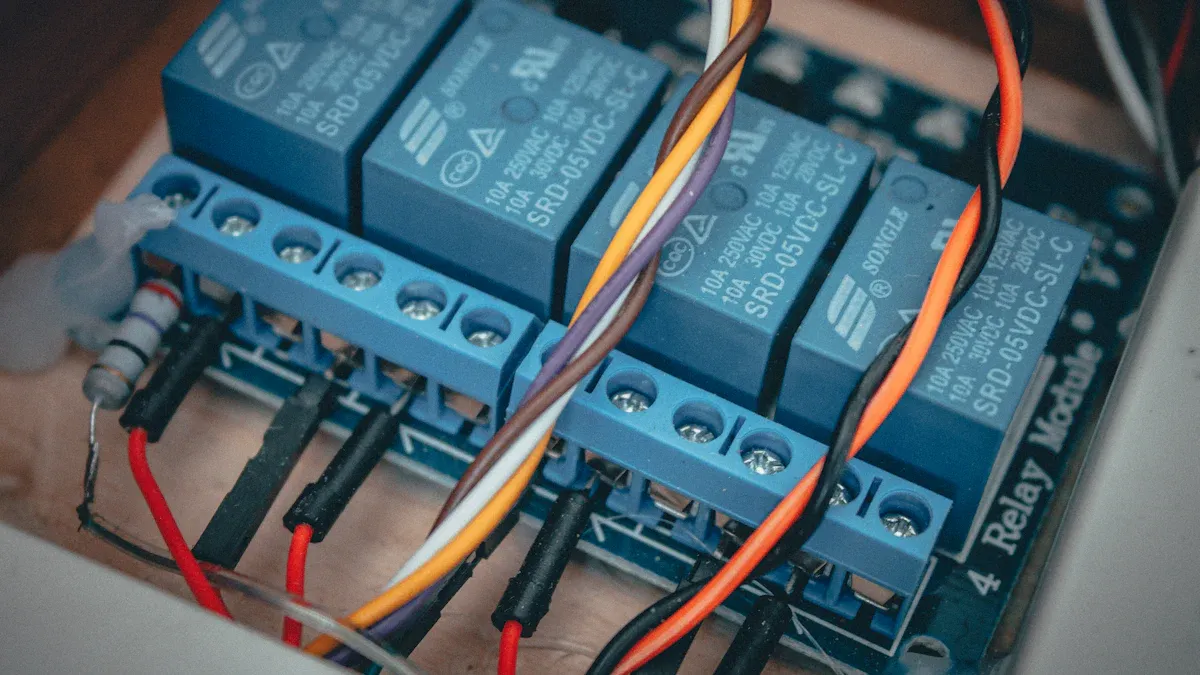
When you customize relays, you pick features for your project. You can choose the coil voltage that fits your needs. You also pick the contact material and how it mounts. Sometimes, you need special insulation or parts that handle heat. You might want extra features like advanced diagnostics. Some people ask for remote reset options too. This process helps you make a relay that works best for your job. It matches your environment and the type of load you have.
Tip: Always check what your project needs before you order custom relays. This helps you avoid problems with how they work together.
Customizing relays means you do not use just any relay. You get relays that fit your control system or automation setup. They also work for your safety needs. If you need more control points or a special layout, you can ask for custom contactor panels.
Standard vs. Custom Relays
There are big differences between standard and custom relays. Standard relays use common materials and simple designs. They work well in places that are clean and easy. Custom relays use better materials and special designs. They can handle tough places with heat, vibration, or humidity.
Here is a table that shows how they are different:
|
Aspect |
Standard (General-Purpose) Relays |
Custom (Special-Purpose) Relays |
|---|---|---|
|
Design & Construction |
Simple design, common materials, basic insulation |
Custom design, heat-resistant parts, special contact alloys |
|
Performance |
Works for basic loads, reliable |
Made for special loads, built-in protection, high current/voltage |
|
Applications |
Control systems, cars, home automation |
Aerospace, medical, lasers, EV charging |
|
Customization |
Few choices |
Many choices for your needs |
|
Cost |
Cheaper at first |
Costs more, but lasts longer |
|
Environmental Suitability |
Good for clean places |
Good for tough places, heat, vibration |
Custom relays may cost more at first. But they last longer and need less fixing. For example, solid-state relays cost more than manual ones. But they give better diagnostics and protection. You spend less money on repairs and downtime.
Benefits of Customizing Relays
Enhanced Performance
Customized relays help your electrical projects work better. You can change things like voltage ratings and switching power. You can also pick the size you need. Some relays have solid-state controls or timers. This makes your system last longer and work smoother. For example, a relay with a 90A rating can handle more power. It will not get too hot. Your system breaks down less and works more reliably.
Tip: Using customized relays lets your control circuits fit your project. This means better results and fewer problems.
Here are some ways customized relays help:
You can pick the right voltage and current.
You can add special control features.
You can make relays small to fit tight spaces.
You can use strong materials for tough places.
Safety and Reliability
Customized relays make your system safer and more reliable. You can add features that check for problems by themselves. Microprocessor-based relays can find hardware issues early. You get alerts fast if something is wrong. This helps you fix things quickly and keep your system running.
|
Reliability Benefit |
What You Get |
|---|---|
|
Self-monitoring |
Fewer hidden problems |
|
Condition-based maintenance |
Faster fixes and less downtime |
|
Accurate fault detection |
Fewer false alarms and mistakes |
|
Remote communication |
Easier and safer repairs |
|
Continuous metering |
Better tracking of system health |
You can also add safety features like overload protection and emergency stops. These keep your equipment and people safe. Customized relays help you avoid costly stops and keep your system steady.
Energy Efficiency
Customized relays help save energy in your projects. You can use special coil designs like stepped down coil voltage or PWM. These use less power to keep the relay on. You save energy and lower your bills.
Here are some ways customized relays save energy:
Stepped down coil voltage uses less power after turning on.
PWM lowers the power needed while the relay stays on.
You can design relays to use only the energy they need.
Note: Customized energy-saving relays help you build greener and cheaper systems.
Maintenance and Flexibility
Customized relays make maintenance easier. You can design panels with the features you want. You can add timers, sensors, and tools for real-time feedback. This helps you find and fix problems fast.
Custom panels have overload and short-circuit protection.
Emergency stop buttons keep your team safe.
Real-time monitoring makes fixing problems easy.
Good wiring diagrams help you repair your system quickly.
Customized relays give you flexibility. You can change features as your project grows. You can add new things or upgrade old ones. This keeps your system up-to-date and easy to care for.
🚦 Customized relays and panels help you keep your electrical systems safe, efficient, and easy to manage.
Custom Relay Panels and System Optimization
Integration and Control
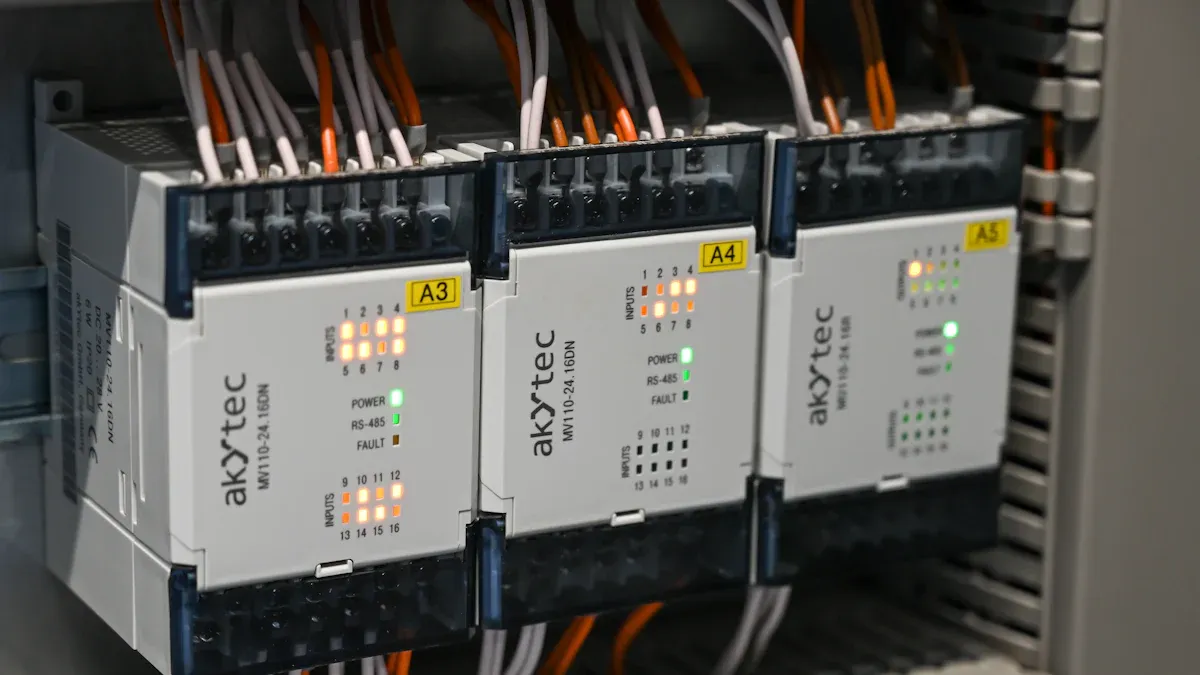
Custom relay panels help you match your system's needs. You get panels made for your equipment now and upgrades later. These panels use new manufacturing and automation. This gives you high-quality builds every time. Experts design, wire, and test each panel for your project. You get fast delivery and results you can count on.
Custom relay panels let you control and protect your system.
You can connect them to many control systems, like RTU and SCADA.
They work with different relay brands and support many protocols, such as MQTT, Modbus, and OPC UA.
You get safety features, like barriers and force-guided relays for emergency stops.
Smart diagnostics help you find problems early, so you can fix them fast.
Note: In energy management, custom relay panels help you manage DC grids safely. They stop dangerous arcs and make sure power interruption is real. You also get secure firmware updates and access controls to keep your system safe from cyber threats.
In transportation, custom relay panels keep trains and traffic systems working well. They handle tough conditions and make maintenance easy. Repairs are quick. You can trust them to work in busy places.
Space and Weight Savings
Custom relay panels help you save space and lower weight. You can pick modular and plug-and-play designs for tight spaces. These panels can stand alone or join a bigger power control center. You get flexible layouts that use your space well.
Thermal management and strong enclosures keep panels safe in tough places.
You can grow your system by adding or removing modules.
Lighter panels are easier to install and ship.
In the energy sector, custom relay panels support smart grids and renewable power. They use modular designs and smart alarms to make systems stable and reliable. You get real-time monitoring, fast fault detection, and easy upgrades. This helps keep your power systems safe, efficient, and ready for the future.
Practical Considerations
Environmental Factors
When picking relays, think about where they will be used. Some places are very hot or very humid. These things can make relays stop working or act weird. You should know what can go wrong and how custom relay panels help you fix it.
Relays work best in certain temperature ranges. If it gets too hot, parts inside the relay can break. If it gets too cold, the relay may not work right.
Humidity can cause water to get inside the relay. Water can mess up insulation and cause leaks. Your system might act strange or shut off.
Sealed relay boxes keep water out. If water gets in, you can dry it out to fix the relay.
You can change relay settings for different temperatures. Special settings and protection devices help keep your system safe.
Custom relay panels use these protections to help relays work well in tough places.
Tip: Always check the temperature and humidity before you pick or customize relays.
Load and Installation
You need to match the relay to what it controls. If the relay is too weak, it can get too hot or break. If it is too strong, you spend too much money and use extra space. Customizing relays helps you pick the right voltage, current, and speed for your job.
|
Load Type |
Relay Feature Needed |
Why It Matters |
|---|---|---|
|
High current |
Heavy-duty contacts |
Stops overheating |
|
Fast switching |
Solid-state controls |
Makes relay last longer |
|
Sensitive load |
Accurate timing |
Keeps equipment safe |
Think about how you will put the relay in your project. Some jobs need relays that fit in small spots. Others need relays you can reach easily to fix. Custom relay panels can be made with layouts that are easy to install and upgrade.
Note: Good installation and matching the load help you avoid repairs and keep your system running.
Customizing relays helps your electrical projects work their best. You get better performance, more safety, and save energy. Custom relays let your system use new technology. They also help your system grow when you need it. The table below shows how custom relays help systems work together:
|
Aspect |
Supporting Detail |
|---|---|
|
Integration |
Easy connection with CTs, PTs, and trip circuits |
|
Modernization |
Simple switch from old relays to new ones |
|
Benefits |
More protection, less downtime, and full compliance |
Pick custom solutions and custom contactor panels for your projects. This keeps your work safe, efficient, and ready for what comes next.
FAQ
What is the main reason to choose custom relays for your project?
You pick custom relays when your project is special. Custom relays have features that match your system. They help your project be safer and work better. You also get more control. Standard relays might not work for your needs.
What can you include in custom contactor panels?
Custom contactor panels can have special relays, timers, and sensors. You can add safety features too. These panels help you control your system easily. You can also use real-time monitoring. Simple layouts make repairs quick.
What makes custom relays safer than standard relays?
Custom relays let you add things like overload protection. You can use emergency stops and self-checking functions. These features help you find problems fast. They keep your equipment and team safe.
What should you check before ordering a custom relay?
Check your system's voltage, current, and space first. Think about the temperature and humidity where it will go. Make sure the relay fits your control system. This helps you avoid problems later.
What industries use custom relays and panels most often?
Industries like energy, transportation, and automation use custom relays a lot. These places need special solutions for hard jobs. Custom contactor panels help them meet safety and performance rules.
See also
What Is the Full Name of SSR in Electrical Systems
Function of Power Transmission Relay: Grid Protection & Control
Where is the power control relay located? Quickly help you find it!
Why Choose Solid-State Relays for Modern Applications
What Is a Solid State Relay and What Does It Do