


Automotive relays help control strong devices with weak signals. Using and installing automotive relays the right way keeps your car safe and working well. These small parts guard circuits from harm and boost performance. They manage lights, fans, and other systems without breaking switches. Knowing how they work and setting them up right is key to keeping your car dependable.
Key Takeaways
Car relays use small signals to control powerful devices safely.
Get tools like screwdrivers, a multimeter, and safety gear first.
Pick a safe and easy-to-reach spot for the relay.
Connect the relay wires as labeled to avoid circuit problems.
Check the relay after installing to make sure it works well.
Tools and Materials for Using and Installing Automotive Relays
Essential Tools for Installation
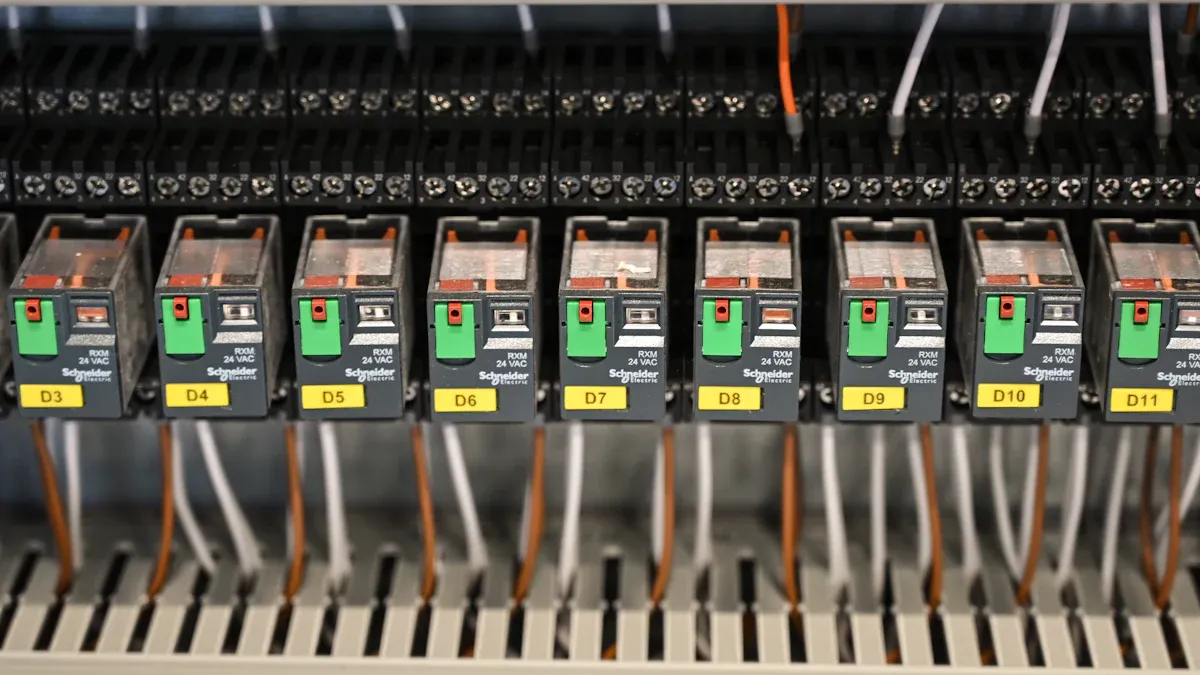
To install automotive relays, you need the right tools. These tools help you work safely and get the job done. Here's a list of what you'll need:
Screwdrivers, pliers, and socket wrenches for basic tasks.
A multimeter to check voltage, resistance, and circuit connections.
A wiring diagram for your car to make correct connections.
A replacement relay that matches your car's original part.
Electrical tape and heat shrink tubing to protect wire connections.
Wire strippers and crimpers to cut and attach wires properly.
Safety gear like gloves and glasses to protect yourself.
Having these tools ready makes installing relays easier and safer.
Required Materials for Wiring
Good wiring is important for a working relay. You'll need materials that make strong and safe connections. These include:
4 or 5 pole relays to control high-power devices.
Wires thick enough to handle the current safely.
Connectors and terminals to join wires to the relay.
A 12V DC power source, as most relays use this voltage.
Diagrams to guide you in connecting everything correctly.
Using these materials helps your relay work well and prevents problems.
Optional Tools for Simplifying the Process
Some tools aren't required but can make the job easier. Here's a quick list:
|
Tool |
Purpose |
|---|---|
|
Wire strippers |
Remove wire coating without damaging the inside for clean connections. |
|
Soldering iron |
Join wires securely for strong and lasting connections. |
|
Multimeter |
Check circuits and measure voltage, current, and resistance. |
|
Crimping tool |
Attach wires to connectors for solid and reliable connections. |
These tools can save time and improve your work when installing relays.
Understanding Automotive Relay Basics

What Are Automotive Relays?
Automotive relays are small devices that control electrical circuits. They let a weak signal manage powerful devices safely. For example, when you turn on headlights, the relay helps current flow without harming the switch.
Relays have an electromagnet that works when power flows through certain terminals. This magnet moves a part called a contactor to open or close the circuit. Most cars use ISO mini relays because they are small and dependable. These relays handle up to 30 or 40 amps, making them useful for many car systems.
Tip: Always check your car's wiring diagram to match the relay to the circuit.
Key Parts and How They Work
Knowing relay parts helps you install and fix them. Here are the main parts:
Coil: Makes a magnetic field to activate the relay.
Contacts: Open or close to let electricity flow.
Spring: Moves contacts back to their starting position.
Armature: Connects or disconnects contacts when the coil is powered.
When power reaches the coil, it creates a magnetic field. This field moves the armature, which opens or closes the contacts. This lets the relay control strong devices like fans or fuel pumps without breaking switches.
|
Term |
Meaning |
|---|---|
|
Bistable Relay |
Stays in its position without needing constant power. |
|
Coil Operative Range |
The voltage range where the relay coil works well. |
|
Contact Arrangement |
How the relay contacts are set up (e.g., normally open or closed). |
|
Derating Curve |
A graph showing how heat affects relay performance. |
|
Operate Voltage |
The lowest voltage needed to power the relay coil. |
Common Types and Uses
Relays come in different types for various jobs. Here are some common ones:
|
Relay Type |
What It Does |
|---|---|
|
Bosch Relay |
Reliable and often used in cars. |
|
Micro Relay |
Small relays for tight spaces in modern vehicles. |
|
Solid-State Relay |
Uses electronics for faster and more reliable switching. |
Relays are found in many car systems. For example:
Fuel Injectors: Relays help the engine control unit (ECU) manage power.
Fuel Pumps: They turn the pump on and off as needed.
Ignition Coils: Relays supply the high power needed for ignition.
Cooling Fans: They switch on fans to stop the engine from overheating.
Installing relays properly keeps these systems working safely and efficiently.
Step-by-Step Guide to Installing Automotive Relays
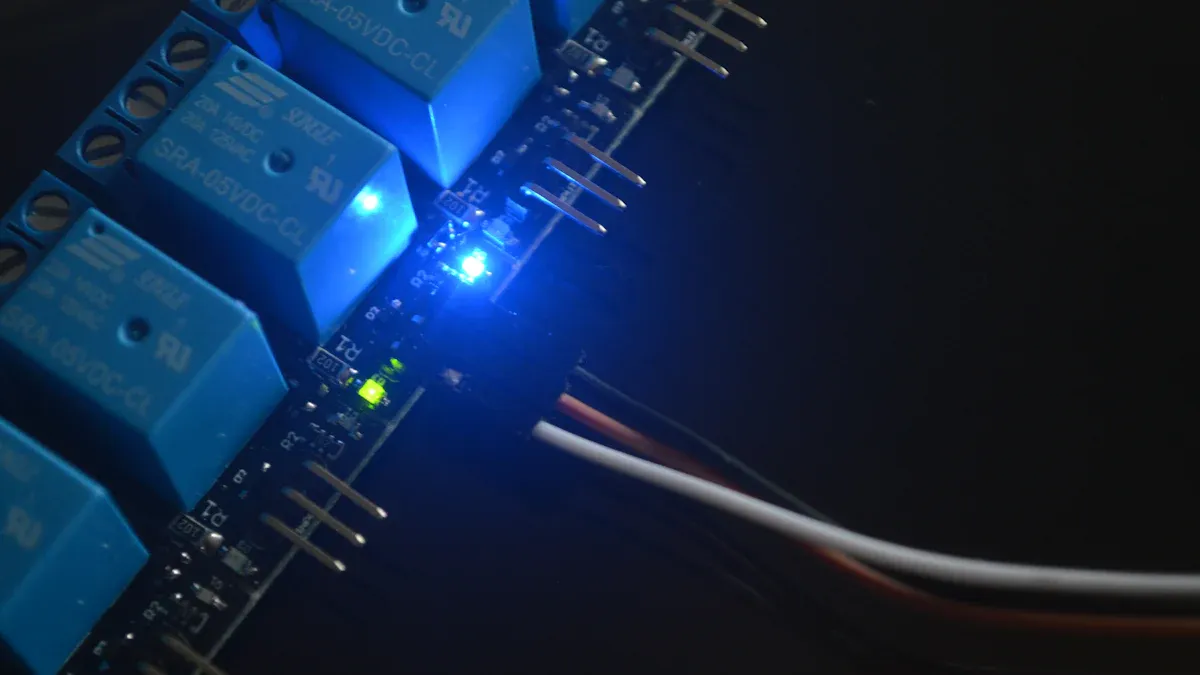
Step 1: Understand the Circuit and Relay Details
Learn about the circuit where the relay will go. Check your car's wiring diagram to find the exact spot and purpose of the relay. This helps you pick the right relay and avoid problems.
Steps to understand the circuit and relay details:
Find the circuit: Locate the system needing the relay, like lights or fans.
Identify the relay type: Check if it needs a 4-pin or 5-pin relay.
Match voltage and current: Ensure the relay fits the circuit's power needs. Most work on 12V DC and handle up to 30-40 amps.
Study the wiring diagram: Use it to see how the relay connects to the circuit.
Tip: If unsure, read your car's manual or ask an expert for help.
Step 2: Gather Tools and Supplies
Get all tools and supplies before starting. Being prepared saves time and avoids delays.
Checklist for preparation:
Tools: Screwdrivers, pliers, wire cutters, crimpers, and a multimeter.
Supplies: A matching relay, wires, connectors, tape, and heat shrink tubing.
Safety gear: Wear gloves and glasses to stay safe while working.
Note: Installing relays needs care. Check your tools and supplies to avoid mistakes.
Step 3: Pick a Good Mounting Spot
Choose a safe and easy-to-reach place for the relay. The spot should be secure and away from water or heat.
Tips for picking the right spot:
Easy access: Pick a place that's simple to reach for wiring and repairs.
Protection: Avoid areas with water, oil, or heat. Use a cover if needed.
Secure fit: Mount the relay tightly to stop shaking while driving.
Tip: Many cars have spots near the fuse box or engine bay for relays. Check these first to make installation easier.
Step 4: Wire the Relay Terminals Correctly
Connecting the relay terminals properly is very important. Wrong wiring can cause circuits to fail or damage your car. Follow these simple steps to make sure everything works:
Know the Terminal Labels:
Most relays have four or five labeled terminals. Each has a job:
85: Goes to the ground or negative side of the power.
86: Connects to the switch or signal wire.
30: Links to the battery or fuse box for power.
87: Sends power to the device (like lights or fans).
87a: Found in 5-pin relays for normally closed circuits.
Check the Wiring Diagram:
Look at your car's wiring diagram to confirm connections. It shows how the relay fits with other parts, like the engine module or A/C relay. You can also test voltage at certain points, like the No. 2 terminal wire. This ensures your setup is correct.
Tip: Replace any rusty wires or bad connections before continuing.
Attach the Wires:
Strip the wire ends to reveal clean copper.
Use crimp connectors or solder to secure wires to terminals.
Cover connections with heat shrink tubing or tape to avoid shorts.
Check Everything Again:
Inspect all connections before moving on. Make sure wires are tight and in the right spots.
Note: Use a multimeter to test if the connections work and have power.
By wiring the relay correctly, you help it work well and protect your car's electrical system.
Troubleshooting and Avoiding Common Mistakes

Common Installation Errors to Avoid
Mistakes during relay installation can cause serious problems. Avoiding these errors saves time and protects your car's electrical system. Below are common mistakes and their effects:
|
Installation Error |
Description |
|---|---|
|
Coil Burnout |
Too much voltage or current overheats the coil, causing failure. |
|
Sticking Contacts |
Contacts fail to open, leading to circuits staying on. |
|
Incorrect Wiring |
Wrong connections cause malfunctions or create safety risks. |
To prevent these issues, always check the wiring diagram. Ensure the relay matches the circuit's needs. Use a multimeter to confirm voltage levels before turning on the system.
Tip: If you smell burning or hear odd clicks, stop. Check for coil burnout or stuck contacts.
Diagnosing and Fixing Wiring Problems
Bad wiring can make relays fail or work poorly. Knowing how to find and fix these problems keeps your relay working. Here's what to watch for and how to fix it:
Signs of Voltage Drop:
Headlights dimming.
Engine cranking slowly.
Sensors not working right.
Electrical parts failing sometimes.
Helpful Fixes:
Clean dirty or rusty connections to improve performance.
Use thick wires to handle the current safely. Thin wires overheat and fail.
Tighten loose ground connections to avoid circuit problems.
If you think there's a wiring issue, check all wires and connections for damage. Replace any broken or corroded wires. Use a multimeter to test voltage at different points. This helps you find the exact problem.
Note: Disconnect the battery before working on wires to stay safe from shocks or shorts.
Testing Relay Functionality After Installation
Testing the relay after installation ensures it works properly. Follow these steps to check its performance:
Test the Contacts:
Apply 6V DC and 100mA to the relay. For most relays, 12V DC and 500mA work best. Watch to see if the contacts open and close correctly.
Check the Coil Circuit:
Use a multimeter to measure voltage at the coil terminals. The voltage must meet the relay's minimum requirement. If not, check the power source and connections.
Do an Out-of-Circuit Test:
Take the relay out of the circuit and measure coil resistance. Compare the result to the manufacturer's specs. Then, apply DC voltage to the coil and see if the contacts move. This confirms the relay is working.
Tip: Keep a spare relay for testing. If the new one works but the old one doesn't, you've found the issue.
By testing the relay, you ensure it's installed and working correctly. Proper checks prevent future problems and keep your car running smoothly.
Putting in automotive relays is easy with the correct steps. These tiny parts are important for your car's safety and performance. Installing them properly keeps your car's electrical system safe and working better.
Tip: Check all connections and test the relay after installing it. This helps prevent problems later.
Using the right tools and knowing the process makes installation simple. It also saves time and ensures your car works well without issues.
FAQ
What happens if I wire the relay wrong?
Wrong wiring can break the relay or harm your car's system. Always check the wiring diagram and test connections with a multimeter before turning on the circuit.
Can I use any relay for my car?
No, you need a relay that fits your car's power needs. Most cars use 12V DC relays that handle 30–40 amps. Look at your car's manual or ask an expert for help.
How do I know if a relay is broken?
A broken relay can stop things like lights or fans from working. Use a multimeter to test for proper voltage and connection. Replace the relay if it fails the tests.
Should I disconnect the battery before installing a relay?
Yes, disconnecting the battery stops shocks and shorts while working. It's an important safety step you must follow.
Can I reuse an old relay?
You can reuse a relay if it still works well. Test it first to make sure it's okay. Replace it if it's worn out, rusty, or not working right.