


PLC means programmable logic controller in electrical systems. A PLC is a digital tool that controls machines and processes by itself. The plc electrical full name helps engineers and technicians know the technology used in modern automation. Many industries use PLCs to work faster and keep high quality.
In the last ten years, manufacturers have used PLCs much more, especially in car and electronics factories.
The plc electrical full name is important because millions of PLCs work around the world now.
Key Takeaways
PLC means Programmable Logic Controller. It is a special computer. It controls machines and processes by itself.
PLCs help factories work faster and safer. They also help make fewer mistakes. PLCs read signals and send commands to machines.
A PLC system has a CPU, memory, input and output modules, and a power supply. These parts work together to control machines.
PLCs are used in many industries. Some examples are car making, food processing, and power plants. They help these places work better and safer.
Using PLCs saves money and cuts down on waste. It is easy to update PLCs for new jobs or problems.
PLC Electrical Full Name
Programmable Logic Controller
The plc electrical full name is programmable logic controller. This means a special kind of computer used in electrical systems. A programmable logic controller helps run machines and processes in places like factories and power plants. The name shows this device can be programmed to do different jobs. It is flexible and can handle many tasks.
Note: People started using the term programmable logic controller in the early 1970s. Allen-Bradley helped make this name popular.
Richard (Dick) Morley invented the first model in 1968-69. At first, people called it a programmable controller. Dr. Odo Struger also helped make the plc electrical full name well-known. Changing from relay-based control to digital programmable control was a big step in electrical engineering.
What PLC Means
A plc gets signals from sensors and switches. It processes these signals and sends commands to machines or equipment. In electrical systems, a programmable logic controller acts like the brain. It makes choices based on instructions from engineers or technicians.
The plc electrical full name makes it different from other controllers. The table below shows how programmable logic controllers and distributed control systems are not the same:
|
Aspect |
Programmable Logic Controllers (PLCs) |
Distributed Control Systems (DCS) |
|---|---|---|
|
Architecture |
Centralized, modular, controls individual machines or processes |
Distributed, multiple processing units connected to field devices |
|
I/O Handling |
Handles discrete I/O signals (on/off, true/false) |
Handles analog I/O signals (temperature, pressure, flow rate) |
|
Scalability |
Highly scalable but limited capacity for large-scale systems |
Designed for large-scale systems with thousands of I/O points |
|
Programming |
Uses graphical languages like ladder logic and function block diagrams |
Uses complex languages like structured text and sequential charts |
|
System Integration |
Typically standalone, limited integration capabilities |
Designed for integration with SCADA, ERP, and maintenance systems |
A plc follows rules made by global standards groups. The International Electrotechnical Commission (IEC) created the IEC 61131 series of standards. These standards tell how to program and use a programmable logic controller. IEC 61131-3 lists main programming languages like ladder diagrams and function block diagrams. This helps engineers everywhere use the same ways and lets different brands of plc work together. Modern plc devices also have cybersecurity features and can connect with IoT and cloud systems.
The plc electrical full name means a device that brings flexibility, reliability, and standardization to electrical systems. It helps engineers automate tasks, improve safety, and make processes work better.
PLC Functions
Control of Electromechanical Processes
A plc controls many machines in factories. It gets signals from sensors and switches. The plc uses its program to decide what to do. Then, it sends commands to equipment. This happens very fast, so the plc can react right away.
Factories use plc devices to move and sort items. The plc runs things like conveyors, valves, and drives. It checks if machines are working right and keeps them safe. Here are some common jobs a plc does:
Assembly lines in factories
Packaging food and drinks
Mixing chemicals or making medicine
Checking if products meet standards
Running machines in car and oil factories
A plc helps keep these systems accurate and steady. It stops machines from breaking down and makes them safer than old relay systems. The plc reads inputs, runs its program, and controls outputs. This keeps machines working well and saves time.
Automation in Electrical Systems
A plc is very important for automating electrical systems. It acts like the main brain and does hard jobs quickly and correctly. The plc holds its program, so engineers can change how things work. This makes it easy to use for many projects.
Using a plc for automation has many good points. It can grow with the business, connect with other devices, and work very fast. The table below shows the main benefits:
|
Advantage |
Explanation |
|---|---|
|
Scalability |
PLCs can be updated as the business grows. |
|
Easy Integration |
PLCs link with other devices and control systems. |
|
Computing Speed and Power |
PLCs finish tasks in a very short time. |
|
Simple Repair and Maintenance |
PLCs are easy to fix and update. |
|
Durability for Industrial Use |
PLCs can handle tough places and strong shaking. |
|
Reliability for Manufacturing |
PLCs help keep machines working and reduce stops. |
A plc makes control systems work better and safer. It lets engineers automate electrical systems in many ways. The strong design of a plc helps it work well in hard places. Companies use plc technology to get more done and keep their work at a high level.
PLC Components
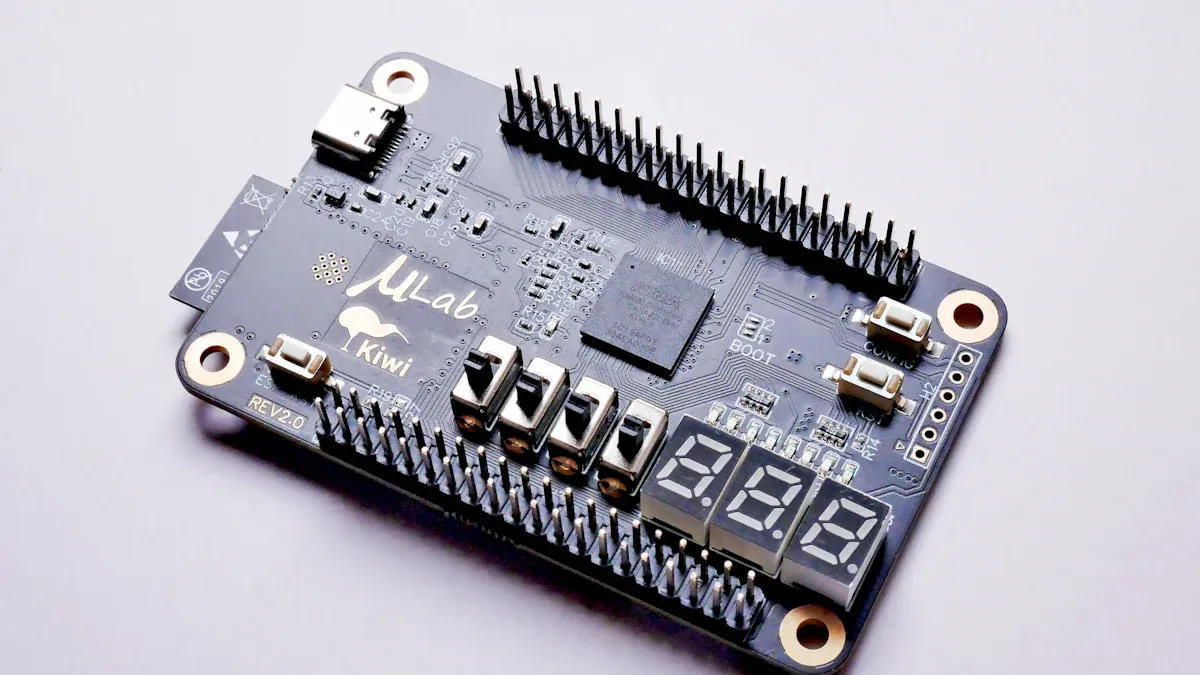
A plc system has many important parts that work together. Each part has a special job to help the plc run well and safely. The main parts are the CPU, memory, input/output modules, and power supply. The table below lists these parts and what they do:
|
Component |
Description |
|---|---|
|
CPU (Processor) |
Acts as the brain of the plc, running programs and managing all operations. |
|
Memory |
Stores the control program and data needed for the plc to work. |
|
Input/Output Modules |
Connect the plc to sensors and devices, allowing it to receive and send signals. |
|
Power Supply |
Provides the correct voltage and current to keep the plc and its modules working. |
|
Programming Interface |
Lets engineers load, test, and change the plc program. |
CPU and Memory
The CPU is the main controller in a plc. It follows instructions and makes choices using the program. The CPU checks inputs, uses logic, and sends commands to outputs. Memory keeps the program and important data safe. Program memory stores the steps the plc follows. Data memory holds numbers and settings. The size and speed of the CPU and memory decide how much work the plc can do. A strong CPU and enough memory help the plc work well, even when things get tough.
Input/Output Modules
Input/output modules let the plc talk to the outside world. Input modules get signals from sensors, switches, or buttons. Output modules send signals to things like motors, lights, or valves. Digital modules handle simple on/off signals. Analog modules handle signals that change, like temperature or pressure. Some systems use network modules to talk to other machines. The right mix of modules lets the plc control many devices. These modules make the plc easy to grow and change. Engineers use the programming interface to set up and test these modules.
Power Supply
The power supply gives the plc the energy it needs. It changes electricity to the right level for the plc and its parts. If the power supply stops, the whole plc system shuts down. This can make machines stop and cause unsafe situations. A steady power supply keeps the plc running and protects its memory. Many systems use backup power or special tools to stop power loss or spikes. Regular checks help keep the power supply safe and working well. The programming interface can also help watch power and warn users about problems.
Tip: Always check the power supply and input/output modules before starting a new plc project. This helps stop problems and keeps the system safe.
PLC Applications
Industrial Uses
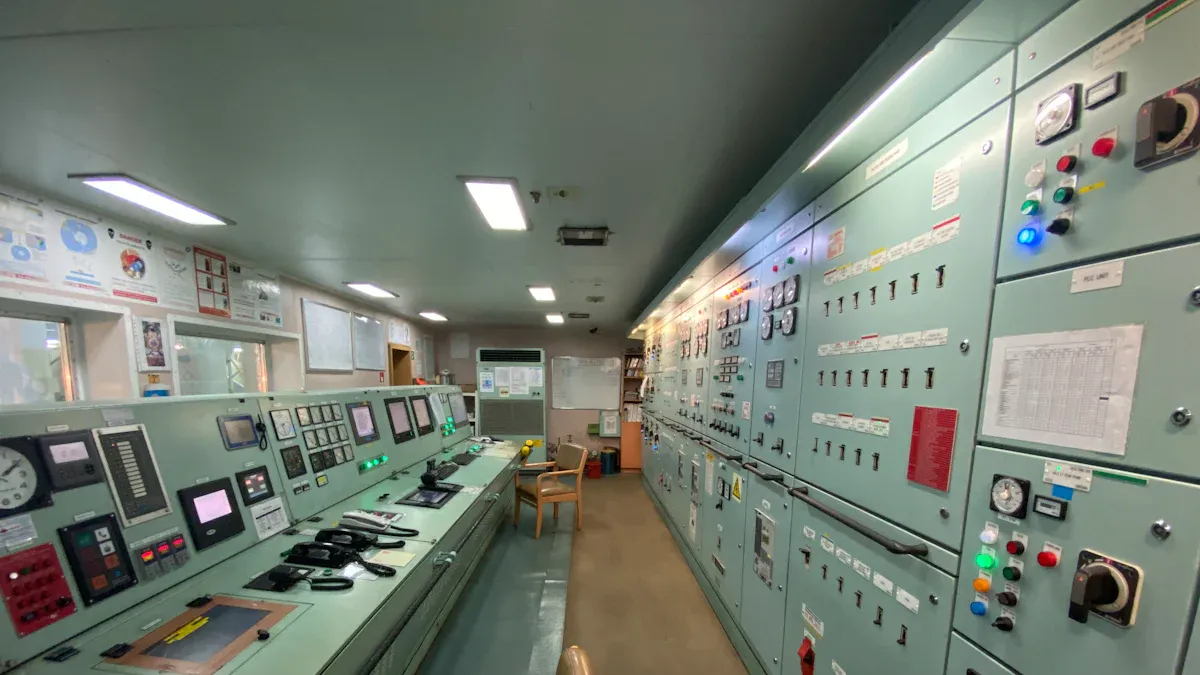
A plc is very important in many factories. It helps control machines and assembly lines. A plc also runs robotic arms in different industries. Many companies use a plc for sorting, packaging, and mixing. Factory automation needs a plc to keep machines safe and working well.
Car plants, food factories, and chemical plants use a plc. Electronics assembly lines also use a plc. It helps run conveyor belts, pumps, and motors. The plc checks sensors and switches to make sure things happen on time. In power plants, a plc watches equipment and controls electricity flow.
A plc tracks how machines work and keeps records. This helps stop surprise breakdowns that cost a lot of money. Real-time checks with a plc help fix problems before they get worse.
Note: A plc makes dangerous jobs safer by using automation. It also helps with emergency stops. This lowers mistakes and keeps workers safe.
Benefits of PLCs
A plc gives many good things for factory and industrial automation. These benefits help companies save money and work better.
Some main benefits are:
It automates tasks that repeat, so labor costs go down and mistakes are fewer.
It works fast, so machines can do jobs quickly and right.
It collects data right away, so workers can find and fix problems fast.
It can be programmed to change for new products or steps.
It helps stop equipment from breaking by using data to plan repairs.
It uses less energy with special features like low-power CPUs.
It connects easily with other systems for better teamwork.
It makes it simple for workers to control and watch machines.
A plc also helps companies use less material and waste less. It lets businesses check data to see if they are making good choices for the future.
|
Benefit |
Description |
|---|---|
|
Cost Savings |
Automation lowers labor and energy costs. |
|
Increased Efficiency |
Faster production and fewer errors. |
|
Enhanced Safety |
Automated safety checks and emergency stops. |
|
Scalability |
Easy to update for new tasks or growth. |
|
Data-Driven Decisions |
Real-time data helps improve processes and reduce waste. |
A plc, which means programmable logic controller, is very important in electrical systems today. Knowing what plc stands for helps people pick the best tools for automation. A plc makes factories and buildings safer and more reliable. It also lets them change easily when needed. Experts say a plc is the main part of automation. New things like AI and cloud features make it even better. Many reports show a plc helps save energy and money. It also helps people get more work done. Companies that use a plc can control things better and get ready for the future.
Industry leaders say a plc helps smart factories and real-time control. This makes it very important for anyone who wants safe and efficient automation.
FAQ
What does a PLC do in a factory?
A PLC controls machines and processes. It reads signals from sensors, follows its program, and sends commands to equipment. This helps factories run smoothly and safely.
What makes a PLC different from a regular computer?
A PLC is built for tough places like factories. It handles many inputs and outputs at once. It also works nonstop and resists dust, heat, and vibration.
What are the main parts of a PLC?
A PLC has a CPU, memory, input/output modules, and a power supply. The CPU runs the program. Input/output modules connect to sensors and devices.
Tip: Always check each part before starting a new project.
What programming languages do PLCs use?
PLCs use ladder diagrams, function block diagrams, and structured text. These languages help engineers create control programs for different tasks.
What industries use PLCs the most?
Car factories, food plants, chemical plants, and power stations use PLCs often. These industries need reliable and fast control for their machines.
See also
What are electromechanical relays and why are they called EMR
What Makes Customizing Relays Essential for Electrical Projects
What Is the Full Name of SSR in Electrical Systems
Function of Power Transmission Relay: Grid Protection & Control