


Getting started with the installation of relays in your control cabinet feels simple when you break it into three steps: prepare, mount, and wire. Safety comes first-always turn off the power and double-check with a tester. You'll want the right tools on hand, plus a good understanding of relay types and wiring diagrams.
Tip: Never skip safety checks before you begin!
This guide works for both pros and DIYers. Stick to these steps and you'll avoid common mistakes and meet all standards.
Key Takeaways
Always make safety the first step. Turn off the power before you start. Use a multimeter to check if there is voltage.
Collect all the tools and materials you need. You will need screwdrivers, wire strippers, and new relays. This helps the installation go smoothly.
Look at the wiring diagrams and follow them closely. This helps you avoid mistakes. It also makes sure the connections are correct for the relay to work well.
Keep enough space between each relay. Make sure they are lined up right. This stops them from getting too hot. It also makes future maintenance easier.
Test and check your relays often. This makes sure they work right. It also helps them meet safety rules.
Installation of Relays: Preparation
Gather Tools and Materials
Get all your tools and supplies before you begin. The right tools help you work faster and safer. Here is a simple list:
Screwdrivers for turning screws
Wire stripper and cutter for fixing wires
Nut drivers for tightening terminal screws
Multimeter for checking voltage and current
New relays (do not use old ones)
Panel labels and a marker
Keep your wiring diagrams nearby. These diagrams help you avoid mistakes and keep things neat.
Power Off and Safety Checks
Always think about safety first. Turn off the main power before you open the cabinet. Use a multimeter to make sure there is no power. Never skip this step! Even a little electricity can hurt you.
Here are some safety tips:
Test the circuit with a multimeter before you start
Always use new relays to avoid hidden issues
Leave space between relays to stop overheating
Make sure the grounding terminal is connected right
Check the wiring diagram to avoid mistakes
Fasten the relay tightly so it does not move
Tip: Good planning helps stop accidents and keeps your relay installation safe.
Identify Relay Type and Panel Requirements
You must know which relay type is right for your job. Here is a quick chart:
|
Relay Type |
Description |
Key Features |
|---|---|---|
|
Electromechanical Relays |
Coil, contacts, and armature; saves money |
Bigger contacts, does not last as long |
|
Reed Relays |
Coils with sealed blades in gas |
Small, fast, lasts a long time |
|
Solid State Relays |
LED turns on a photosensitive MOSFET |
Fast, but can be damaged by surges |
Look at your panel for labels. Good labels keep your work safe and follow the rules. Here is what to check:
|
Requirement |
Description |
|---|---|
|
Legible markings |
Labels must be easy to read and stay on |
|
Accurate descriptions |
Labels must match what the circuit does |
|
Durable materials |
Labels must last in normal use |
|
Immediate updates |
Change labels right after any updates |
|
Circuit identification |
Each circuit must show what it does (NEC 408.4) |
If you follow these steps, your relay installation will be safe and easy.
Mounting Relays in Cabinets

Remove Old Relays and Wires
Start by checking if you need to take out any old relays. Use a screwdriver to loosen the screws on the terminals. Gently pull out the wires. If the relay sits on a DIN rail, press the release clip or use a small tool to pop it off. Always look for signs of damage or wear on the wires and connectors. If you see any, replace them before you move on. Cleaning out dust or dirt from the area helps keep your new relay working well.
Tip: Take a photo of the old wiring before you remove anything. This can help you remember where each wire goes.
Mount on DIN Rail or Panel
Now you can mount the new relay. Make sure you have the right DIN rail or panel for your relay. The rail should be clean, flat, and fixed tightly with screws or clips. This stops the relay from wobbling or coming loose. Here's a quick checklist for mounting:
Pick the right rail type and size for your relay.
Clean the rail and make sure it sits flat.
Use screws or clips to hold the rail in place.
Snap the relay onto the rail or screw it onto the panel.
Double-check that the relay is secure and does not move.
Follow the manufacturer's wiring diagram for the installation of relays. Use the right wire size and make sure all connections are tight.
Ensure Proper Spacing and Alignment
You want your relays to line up straight and have enough space between them. This helps with cooling and makes future work easier. Check that each relay sits flat and does not touch the next one. Look for any signs of damage, like cracked cases or bent pins. Clean away any dust or dirt. Make sure all screws and plugs are tight. If you see any problems, fix them before you finish.
Inspect each relay for damage or loose parts.
Clean the area to keep dust and dirt away.
Make sure all relays are straight and spaced out.
Note: Good alignment and spacing help your relays last longer and work better.
Relay Installation: Wiring and Testing
Read and Apply Wiring Diagrams
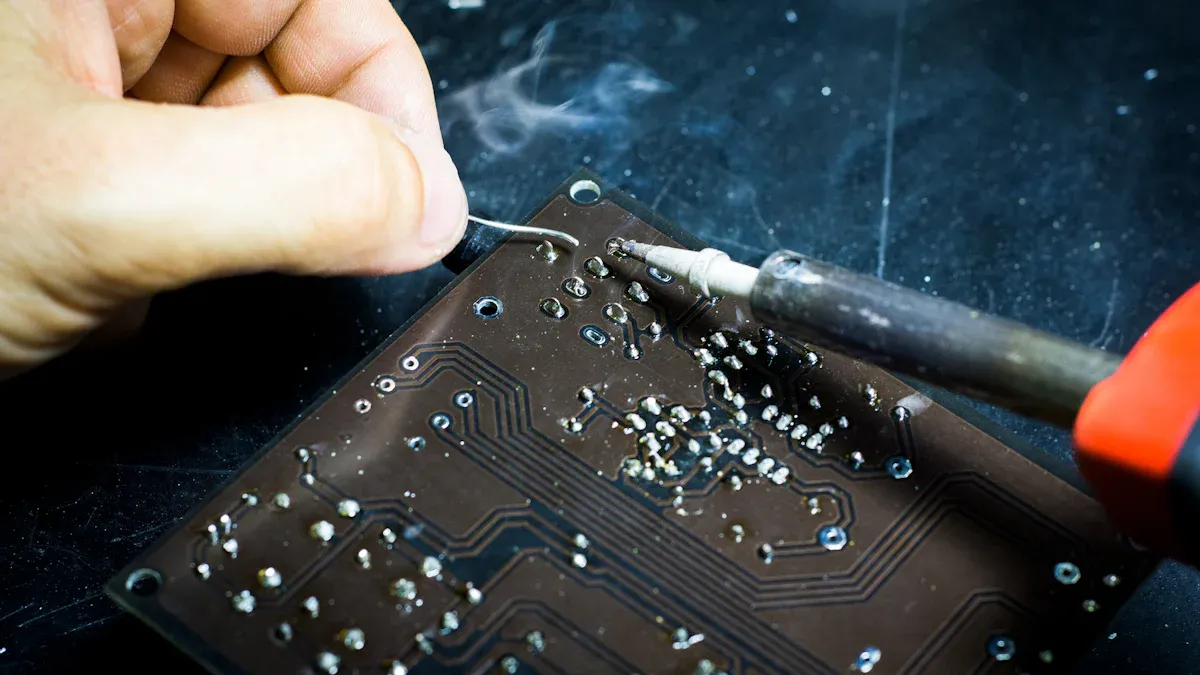
Wiring diagrams are your best friend during the installation of relays. They show you exactly where each wire goes and help you avoid mistakes. Before you start, grab the right diagram for your relay. Most relays have either 4 pins or 5 pins. Here's a quick guide to help you read the diagrams:
|
Relay Type |
Pin Configuration |
Functionality |
|---|---|---|
|
4 Pin Relay |
85 & 86 (coil control), 30 & 87 |
Normally open switches power ON when activated; normally closed switches power OFF when activated. |
|
5 Pin Relay |
85 & 86 (coil control), 30, 87 & 87A |
Switches power from normally closed to normally open when activated. |
Look at the numbers on your relay and match them to the diagram. If you see 85 and 86, those control the coil. Pins 30, 87, and sometimes 87A handle the power. Always double-check the diagram before you connect anything.
Tip: Take your time with this step. A small mistake here can cause big problems later.
Connect Terminals Correctly
Now you're ready to connect the wires. Good connections keep your relay working safely and for a long time. Here are some best practices to follow:
Make sure the terminal's rated current and voltage match your system. This prevents overloads and failures.
Pick the right connection method. You might use screws, spring clamps, or plug-in types. Choose what fits your relay and panel.
Check that the terminals can handle the environment. If your cabinet gets hot or damp, use terminals with high protection ratings like IP65 or IP67.
Leave enough space for each terminal. Crowded wires can cause trouble.
Tighten each connection so it's firm and won't come loose.
Make sure your terminals match the rest of your equipment.
Use terminals that meet safety standards like CE or UL.
Don't forget about cost. Pick terminals that are safe and fit your budget.
Common wiring errors can cause headaches. Watch out for these:
Not checking the temperature range. Relays can fail if it gets too hot or cold.
Ignoring the current draw. Too much current can burn out your relay.
Forgetting about switching current. Sudden spikes can damage the relay.
Using the wrong voltage. Always match the relay to your system voltage.
Overlooking control parameters. Make sure your control system can handle the relay.
Picking the wrong relay for your load type.
Cycling the relay too fast. This can cause overheating.
Using poor connection methods. Loose wires mean trouble.
Note: If you're not sure, ask a pro or check the manual. It's better to be safe than sorry.
Double-Check and Test Operation
You've wired everything up. Now it's time to make sure your relay works as it should. Testing is a must for safety and reliability. Here's a step-by-step table to guide you:
|
Step |
Description |
|---|---|
|
1 |
Look over the relay and wiring for any damage or loose parts. |
|
2 |
Check the relay's nameplate and compare it to your project specs. |
|
3 |
Clean the relay and make sure it's free of dust and dirt. |
|
4 |
Test insulation resistance if you're using an electromechanical relay. |
|
5 |
Apply voltage or current and see if the relay clicks or switches as expected. |
|
6 |
Test each function-does the relay turn things on and off like it should? |
|
7 |
Run a system test to see if everything works together. |
|
8 |
Make sure all contacts and functions operate in your control scheme. |
When you test, pay attention to timing. Test relays during installation, after repairs, and on a regular schedule. Use digital tools like a multimeter for better accuracy. Only let trained people do these tests. This keeps everyone safe.
Don't forget about legal requirements. You need to label voltages and circuits clearly. Here's what the rules say:
|
Code Reference |
Requirement |
|---|---|
|
NEC 110.21(b) |
Markings must last in your environment. |
|
NEC 110.24(A) |
Mark service equipment with max fault current and date of calculation. |
|
NEC 408.4(A) |
Every circuit must be clearly labeled for its purpose. |
|
OSHA 1910.145(e)(2) |
Signs must be easy to read and concise. |
|
OSHA 1910.303(e) |
Equipment must have markings for voltage, current, and ratings. |
|
ANSI Z535 |
Use standard safety signs and labels. |
⚡ Always follow the latest National Electrical Code and OSHA rules. Use high-quality materials, keep your panel clean, and never skip safety checks. This keeps your installation of relays safe and up to code.
If you run into problems, try these troubleshooting tips:
If the relay contacts stick, clean or replace the relay.
If the coil burns out, check your voltage and add a surge protector.
If the relay works on and off, tighten connections and check for worn contacts.
If nothing happens, test the coil and replace it if needed.
Thermal imaging and signal analysis can help you spot hidden issues. Regular maintenance and inspections keep your relays working for years.
Remember: Careful wiring and testing make your relay installation safe, reliable, and legal.
You learned three easy steps for relay installation: prepare, mount, and wire. Always stay safe and follow all the rules. Check your work twice and use manuals or diagrams if you need help. If you use good wiring and keep up with maintenance, your relays will last longer and work better:
Good wiring helps stop electrical noise.
Cleaning and checking relays helps solid state relays last longer.
Most failures happen from too much voltage or heat, but you can stop these problems.
For future care, try these steps:
Check for any damage or loose wires.
Test if the relay works right.
Change settings if you need to.
Do you have a story or question about relay installation? Share it in the comments!
FAQ
How do you know which relay to use?
You should check your control panel's voltage and current needs. Look at the relay's specs. If you feel unsure, read the manual or ask a pro. Using the wrong relay can cause problems.
Can you install a relay without turning off the power?
No, you should never do that. Always turn off the power first. Use a multimeter to check for voltage. This keeps you safe from shocks or burns.
What tools do you need for relay installation?
You need screwdrivers, a wire stripper, a cutter, a multimeter, and the right relays. A marker and labels help you stay organized. Keep your wiring diagram close.
Why does my relay keep clicking on and off?
This usually means a loose wire or the wrong voltage. Check all your connections. Make sure your relay matches your system. If the problem stays, try a new relay.
How to Select the Best Industrial Relay for Your Load
How to Test and Inspect Relays for Quality Assurance
A Complete Engineer's Guide to Solid-State Relays
Complete OEM / ODM Relays Customization Guide for Engineers 2025